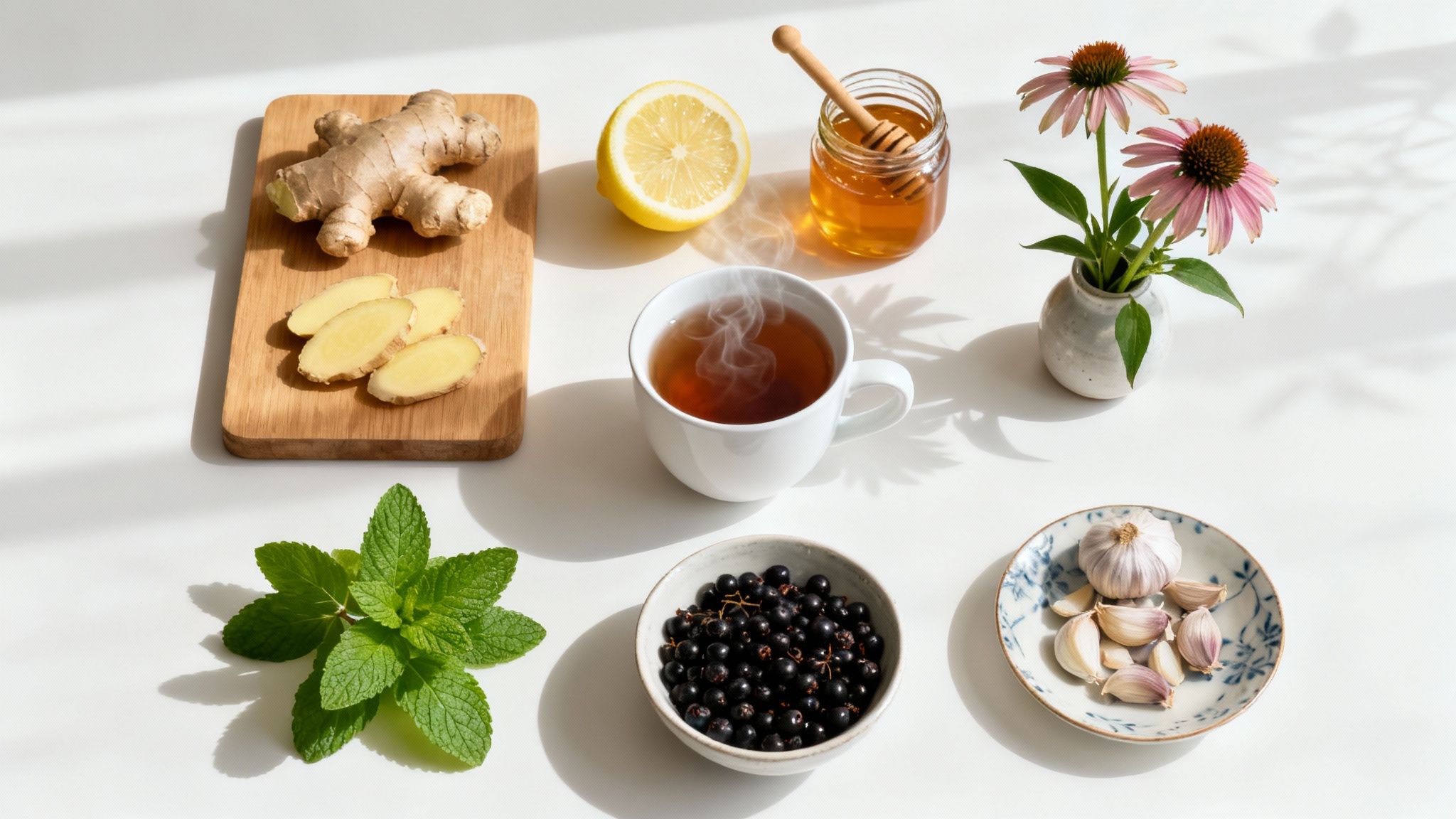
When the flu strikes, fever, body aches, and fatigue can knock you off your feet in days. Instead of relying solely on over-the-counter drugs, many of the most effective natural remedies for flu hide in plain sight—in your kitchen and pantry. Backed by clinical trials and centuries of traditional use, these compounds can reduce symptom severity and duration.
This concise roundup goes beyond generic tips by explaining how each remedy works at a cellular level against influenza viruses like H1N1 and H5N1. It also highlights vital prevention tactics focused on interrupting transmission through thorough handwashing and regular surface disinfection with wipes. At VirusFAQ.com, we merge practical virology with actionable health advice for general readers and specialists alike. Our platform offers resources ranging from general overviews of pathogens—covering viruses from Influenza A Virus strains (H1N1, H2N2, H5N1) to emerging threats like SARS-CoV-2, Hepatitis B and C viruses, non-enveloped agents such as Norovirus and Human Rotavirus, and enveloped viruses like HSV-1/2 and Rhinovirus—to in-depth analyses for scientists and healthcare professionals. And don’t forget to strengthen your external defenses with high-quality disinfecting wipes—explore the best practices for using disinfecting wipes on virusfaq.com and consider stocking up to create a safer environment.
In this article, you’ll learn:
- Cellular mechanisms of each remedy and their impact on influenza replication
- Practical recipes, dosage schedules, and real-world case examples for Vitamin C, elderberry, ginger, and more
- Safety guidelines, interactions to watch for, and optimal timing with antiviral treatments
- Prevention steps, from handwashing techniques to surface disinfection using wipes, to block virus spread
Skip vague advice and dive into a structured, science-backed guide to natural remedies for flu. Each section features clear headings, actionable insights, and precise precautions. Let’s get started.
1. Vitamin C
A cornerstone of immune health, Vitamin C (ascorbic acid) is a powerful antioxidant that supports various cellular functions of the immune system. It’s one of the most well-known natural remedies for flu because it enhances the production of white blood cells, such as lymphocytes and phagocytes, which are crucial for fighting off infections like the influenza virus. While it may not be a magic bullet to prevent the flu, its true strength lies in mitigating the illness once it takes hold.
Substantial research, including famous studies on physically stressed individuals like marathon runners, has shown that consistent Vitamin C intake can significantly reduce the duration and severity of cold and flu symptoms. This is particularly beneficial when your body is already under strain, making the flu feel less debilitating and shortening your recovery time.
How to Use Vitamin C Effectively
To leverage its benefits, consider a proactive and reactive approach.
- Daily Maintenance: Aim for a consistent daily intake of 200-500mg to keep your immune system primed.
- Symptom Onset: At the first sign of flu symptoms, such as a scratchy throat or body aches, increase your intake to 1,000-2,000mg per day, spread out in smaller doses.
- Natural Sources: Prioritize whole foods rich in Vitamin C, including oranges, strawberries, bell peppers, broccoli, and leafy greens like kale.
- Supplementation: If using supplements, take them with a meal to enhance absorption and minimize potential digestive upset.
Strengthening your immune system with key nutrients like Vitamin C is a fundamental strategy for seasonal wellness. Learn more about other ways to boost your immune system naturally on virusfaq.com.
2. Elderberry (Sambucus)
Elderberry (Sambucus) has been a staple in traditional medicine for centuries, prized for its ability to combat viral infections. This dark purple berry is packed with active compounds like anthocyanins and flavonoids, which are believed to have potent antiviral properties. As one of the most studied natural remedies for flu, elderberry works by inhibiting the influenza virus's ability to enter and replicate within host cells, effectively stopping the infection from spreading throughout the body.

The efficacy of elderberry is supported by several compelling studies. A notable Israeli study found that participants taking a standardized elderberry extract (Sambucol) recovered from the flu an average of four days faster than the placebo group. Similar research conducted during a flu outbreak in Norway demonstrated significant symptom improvement in patients who used elderberry syrup. Its widespread use in Scandinavian countries as a preventative measure further highlights its reputation for seasonal wellness.
How to Use Elderberry Effectively
For the best results, start taking elderberry as soon as you notice the first signs of illness.
- Symptom Onset: Begin immediately at the first sign of a scratchy throat, fever, or body aches to maximize its antiviral effects.
- Dosage: A common recommendation is 15ml of a standardized elderberry syrup taken two to three times daily for the duration of symptoms.
- Quality Matters: Choose standardized extracts that specify the concentration of active compounds, such as 25% anthocyanins, to ensure potency.
- Easy to Take: The syrup can be taken directly or mixed into water or tea for a soothing drink.
Incorporating elderberry into your flu-fighting toolkit is a proactive step toward managing viral infections. Discover more about other powerful home remedies for viral infections on virusfaq.com.
3. Ginger Root
Ginger root is a powerful rhizome celebrated for its potent medicinal properties, making it one of the most effective natural remedies for flu. Its active compounds, gingerols and shogaols, deliver significant anti-inflammatory and analgesic effects that directly combat flu symptoms like muscle aches and sore throats. This warming spice also helps reduce fever by promoting perspiration and supports the body’s ability to fight off viral invaders.
Used for millennia in traditional Asian medicine, from Chinese herbal formulations to Japanese healing broths, ginger’s efficacy is well-documented. Modern research has confirmed its ability to soothe nausea and upset stomachs, which can be particularly helpful when the flu affects the digestive system. Its antimicrobial properties further assist your immune system in clearing the infection, helping you feel better faster.
How to Use Ginger Root Effectively
To maximize ginger’s benefits, fresh is often best, but dried forms are also effective.
- Fresh Ginger Tea: Steep a one-to-two-inch piece of thinly sliced or grated fresh ginger in a cup of hot water for 10-15 minutes.
- Dried Ginger: Use a half-teaspoon of dried ginger powder in hot water if fresh is unavailable.
- Enhance and Soothe: Add a spoonful of honey and a squeeze of lemon to your ginger tea for added throat-soothing and immune-boosting properties.
- Frequency: Drink this comforting brew two to four times daily at the onset of and throughout your illness to keep symptoms at bay.
Ginger’s ability to warm the body and fight inflammation makes it an indispensable tool for flu season. For another warming and immune-boosting option, explore Chai Tea's health benefits, which often feature ginger and other medicinal spices.
4. Honey
A time-honored remedy for soothing sore throats and coughs, honey is a natural powerhouse of antimicrobial and antitussive (cough-suppressing) properties. Raw, unpasteurized honey is rich in enzymes, amino acids, and vitamins that support the body's healing process. Its viscous texture coats the throat, providing immediate relief from irritation, making it one of the most comforting natural remedies for flu. Furthermore, honey contains glucose oxidase, an enzyme that produces small amounts of hydrogen peroxide, which contributes to its antibacterial effects.

The effectiveness of honey is backed by significant research and institutional recommendations. The World Health Organization (WHO) and the American Academy of Pediatrics (AAP) both recognize honey as a viable treatment for cough in children over one year of age. Studies published by the NIH have shown that honey can be more effective than some over-the-counter cough medicines at reducing the frequency and severity of nighttime coughing, leading to better sleep for both children and adults during a flu bout.
How to Use Honey Effectively
To maximize the benefits of honey when you have the flu, proper use is key.
- Choose Raw and Unpasteurized: Opt for raw, minimally processed honey to ensure all the beneficial enzymes and compounds are intact.
- Symptom Relief: At the first sign of a sore throat or cough, take 1-2 tablespoons directly. Allow it to slowly coat your throat.
- Warm Beverage: Stir a tablespoon of honey into a cup of warm (not boiling) water or herbal tea with lemon for a soothing drink.
- Preserve Enzymes: Avoid adding honey to boiling liquids or heating it above 140°F (60°C), as high heat can destroy its valuable enzymes.
While managing symptoms with natural aids is helpful, remember that preventing the spread of germs is crucial. Learn more about effective disinfection on our post about the best practices for using disinfecting wipes on virusfaq.com.
5. Garlic
A powerful ingredient with a history rooted in traditional medicine, garlic (Allium sativum) is celebrated for its potent antiviral and immune-boosting properties. Its main active compound, allicin, is released when a clove is crushed or chopped. Allicin contains sulfur and is responsible for garlic’s distinctive aroma and its ability to combat pathogens. This makes it one of the most effective natural remedies for flu, helping to enhance the body's defenses against viral invaders like influenza.
Historical accounts, including its use during the Spanish flu outbreak, highlight its long-standing reputation as a protective agent. Modern studies have begun to validate this traditional wisdom, demonstrating that garlic supplementation can reduce the frequency and duration of common illnesses. Its ability to stimulate immune cells, such as macrophages and lymphocytes, provides a direct mechanism for fighting off infections and lessening the flu's impact on your system.
How to Use Garlic Effectively
To maximize the benefits of allicin, proper preparation is key.
- Activate Allicin: Crush or mince fresh garlic cloves and let them sit for 10-15 minutes before consuming. This waiting period allows the allicin to fully develop.
- Symptom Onset: When flu symptoms first appear, consume one to two raw cloves daily. Mixing minced garlic with a spoonful of honey can make it more palatable and soothe a sore throat.
- Cooking Method: If eating raw garlic is too intense, add it to your meals at the very end of the cooking process to preserve as much of the beneficial allicin as possible.
- Daily Prevention: Incorporating fresh garlic into your regular diet is a simple way to support ongoing immune function during flu season.
Using potent natural antivirals like garlic is a smart strategy for managing flu symptoms. Keeping your environment clean is also crucial; learn more about effective disinfection practices for your home on virusfaq.com.
6. Echinacea
A well-regarded herb with deep roots in Native American medicine, Echinacea (purple coneflower) is celebrated for its ability to activate the immune system. It’s considered one of the most effective natural remedies for flu because its active compounds, like echinacosides and polysaccharides, enhance the function of key immune cells. Echinacea works by stimulating the activity of T-cells and natural killer cells, which are your body’s frontline defenders against viral invaders like influenza.
Scientific validation supports its traditional use. A notable University of Wisconsin study found that Echinacea could reduce the duration of cold and flu symptoms by up to 23%. Furthermore, numerous clinical trials, particularly in Germany where it is widely used, have demonstrated its immune-enhancing properties. Its true power is unleashed when taken at the very first sign of sickness, helping your body mount a quicker, more robust defense.
How to Use Echinacea Effectively
To get the most out of this powerful herb, timing and dosage are critical.
- Act Immediately: Begin taking Echinacea as soon as you notice the first symptoms of flu, such as a sore throat, fatigue, or chills.
- Dosage and Duration: Take a standardized extract containing at least 4% echinacosides. A common recommendation is 300mg taken three times daily for no more than 5-7 consecutive days.
- Choose Quality: Opt for reputable brands that provide standardized extracts to ensure you are getting a potent and effective product.
- Synergistic Blends: Echinacea is often combined with other immune-supportive herbs like goldenseal or elderberry for an enhanced effect.
Using Echinacea proactively can significantly shorten the flu's impact, getting you back on your feet faster. Learn more about the science behind herbal remedies on virusfaq.com.
7. Zinc Lozenges
An essential mineral for immune health, zinc plays a critical role in the development and function of immune cells. Zinc lozenges are among the most effective natural remedies for flu because they deliver the mineral directly to the throat and nasal passages, where the influenza virus often replicates. This direct contact is believed to interfere with viral replication and its ability to attach to mucous membranes, helping to halt the infection in its early stages.
Numerous clinical trials have demonstrated that when taken shortly after symptoms appear, zinc lozenges can significantly shorten the duration of cold and flu illnesses. Research shows that this early intervention can reduce symptom severity and help you recover faster, which has led to their widespread availability and recommendation by medical professionals during flu season.
How to Use Zinc Lozenges Effectively
To maximize the benefits of zinc, timing and proper usage are crucial.
- Act Immediately: Begin taking lozenges within 24 hours of the first sign of flu symptoms, like a sore throat or fatigue.
- Dosage and Frequency: Dissolve one lozenge in your mouth every 2-3 hours while you are awake. Avoid chewing it to allow for slow release.
- Choose the Right Formula: Opt for lozenges containing zinc gluconate or zinc acetate, as these forms have been most effective in studies.
- Minimize Side Effects: Always take lozenges with food or after a meal to reduce the risk of nausea, a common side effect of zinc supplementation.
Targeting the virus at its entry point is a smart strategy for managing flu. Discover more about how viruses spread and how proper hygiene, including using disinfecting wipes, can protect you at virusfaq.com/2025/08/15/understanding-virus-transmission-and-prevention/.
8. Steam Inhalation with Essential Oils
A classic method for respiratory relief, steam inhalation helps soothe irritated airways and loosen congestion. This practice, deeply rooted in European spa traditions, is one of the most direct natural remedies for flu because the warm, moist air helps increase blood flow to nasal tissues and thins mucus in the sinuses and lungs. Adding specific essential oils amplifies these benefits by delivering their antimicrobial and anti-inflammatory compounds directly into your respiratory tract.
The effectiveness of this approach is well-established, from traditional herbalism to modern applications like hospital respiratory therapy and the commercial success of eucalyptus-based products like Vicks VapoRub. The steam provides immediate comfort, while oils like eucalyptus, peppermint, or tea tree work to open up airways, making it easier to breathe when you are feeling stuffed up and miserable from the flu.
How to Use Steam Inhalation Effectively
For safe and effective relief from flu congestion, follow these simple steps.
- Proper Preparation: Heat a bowl of water until it is steaming but not boiling. Add 2-3 drops of a 100% pure, therapeutic-grade essential oil like eucalyptus or peppermint.
- Inhalation Technique: Lean over the bowl at a safe distance, drape a towel over your head to trap the steam, and close your eyes. Breathe deeply through your nose for 10-15 minutes.
- Frequency: Repeat this process 2-3 times daily, especially before bed, to help clear passages for a more restful sleep.
- Safety First: Always keep a safe distance from the hot water to avoid burns. This method is generally not recommended for young children.
This simple home therapy offers powerful, targeted relief for some of the most uncomfortable flu symptoms. For more insights on managing respiratory symptoms, discover other proven flu remedies on virusfaq.com.
9. Bone Broth
A time-honored tradition in cultures worldwide, bone broth is a deeply nourishing liquid made by simmering animal bones for an extended period. This process extracts valuable compounds like collagen, gelatin, and amino acids such as glutamine, along with essential minerals. As one of the most comforting natural remedies for flu, it works by supporting gut health, which is a cornerstone of a robust immune system, and providing the building blocks needed for tissue repair while your body fights the virus.
The gelatin in bone broth helps soothe the digestive tract, while its amino acids support immune cell function. Its reputation is well-earned, seen in practices like the traditional Jewish chicken soup, often called "Jewish penicillin," and its use in Asian cultures for recovery meals. Modern wellness movements have also embraced bone broth for its immune-supportive properties, making it a staple in Paleo and functional medicine protocols.

How to Use Bone Broth Effectively
To get the most out of this healing liquid, proper preparation and consistent consumption are key.
- Slow Simmer: For maximum nutrient extraction, simmer bones for 12-48 hours. A slow cooker is excellent for this.
- Boost with Veggies: Add aromatic vegetables like onions, carrots, and celery during the last few hours of cooking for added flavor and nutrients.
- Quality Sourcing: Opt for organic, grass-fed, or pasture-raised bones whenever possible to ensure a cleaner, more nutrient-dense broth.
- Daily Intake: When you’re feeling sick, aim to consume 1-2 warm cups daily to stay hydrated and support your recovery.
Properly preparing your wellness toolkit is essential, just as keeping surfaces clean is crucial to prevent the spread of influenza. You can learn more about the Influenza A Virus on virusfaq.com.
10. Rest and Sleep Optimization
Far from being a passive activity, rest and sleep are among the most critical natural remedies for flu. When you sleep, your body launches a highly active immune response, producing and releasing proteins called cytokines. Certain cytokines are essential for fighting infection and inflammation, and their production ramps up significantly during sleep, allowing T-cells to effectively target and destroy virus-infected cells.
Research consistently shows the powerful link between sleep and recovery. Studies, including notable work from sleep research institutions, have demonstrated that insufficient sleep can prolong flu duration by as much as 30%. This is why hospital and athletic recovery protocols universally prioritize rest. Allowing your body to focus its energy on fighting the influenza virus, rather than on daily activities, is fundamental for a quicker, less severe illness.
How to Use Rest and Sleep Effectively
To harness the healing power of sleep, focus on creating an optimal recovery environment.
- Prioritize Sleep Duration: Aim for 7-10 hours of sleep per night while you are sick. Your body needs the extra time to mount a strong immune defense.
- Optimize Your Environment: Create a dark, cool, and quiet room. A humidifier can also help ease respiratory symptoms like a cough or congestion while you sleep.
- Elevate Your Head: Use an extra pillow to elevate your head. This can aid respiratory drainage and make breathing more comfortable. Beyond just the bed, your pillow can make a huge difference in achieving truly restorative rest. Discover how to choose the right pillow for improved sleep quality.
- Avoid Stimulants: Steer clear of caffeine and alcohol, and avoid screens for at least an hour before bedtime to promote deeper, more restorative sleep cycles.
Optimizing rest is a non-negotiable part of flu recovery, directly impacting the speed and efficiency of your immune system. Learn more about how proper rest influences how long the flu can last on virusfaq.com.
Comparison of 10 Natural Flu Remedies
| Item | Implementation complexity 🔄 | Resource requirements ⚡ | Expected outcomes ⭐📊 | Ideal use cases 💡 | Key advantages |
|---|---|---|---|---|---|
| Vitamin C | Low 🔄 — oral supplement, easy dosing | Low cost; widely available ⚡ | Modest reduction in duration/severity (~8%); variable by individual ⭐📊 | Daily maintenance, increase at first symptoms, high physical stress | Antioxidant, low toxicity, inexpensive |
| Elderberry (Sambucus) | Low–Medium 🔄 — syrups/extracts, standardization matters | Moderate cost; choose standardized extract ⚡ | Shown to reduce duration by 2–4 days; may lower incidence in some studies ⭐📊 | Start at symptom onset; outbreak prevention in high-risk groups | Antiviral anthocyanins; pleasant syrup; few side effects |
| Ginger Root | Low 🔄 — fresh or dried preparations (tea, extract) | Very low cost; widely available ⚡ | Effective for symptom relief (nausea, aches); not proven to shorten flu duration 📊 | Relieving nausea, sore throat, body aches and digestion support | Anti-inflammatory, multiple formats, generally safe |
| Honey | Very Low 🔄 — direct or mixed in warm drinks | Low–Moderate; raw preferred ⚡ | Highly effective cough suppression (comparable to dextromethorphan); soothing symptom relief ⭐📊 | Cough and sore throat relief (children >1 yr) | Antitussive, antimicrobial enzymes, pleasant to take |
| Garlic | Low 🔄 — crush/mince or supplements | Low cost; fresh recommended ⚡ | May reduce cold/flu incidence with regular use; limited large-scale flu trials ⭐📊 | Preventive culinary use; adjunct immune support | Potent allicin antimicrobial; cardiovascular benefits |
| Echinacea | Low but time-sensitive 🔄 — extracts/teas; start early | Moderate cost; use standardized extracts ⚡ | May reduce duration if begun within 24–48 hrs; mixed evidence ⭐📊 | Begin at first symptom signs for best effect | Stimulates immune cells; well-studied in some trials |
| Zinc Lozenges | Low 🔄 — frequent lozenge dosing required | Low cost OTC; specific formulations (acetate/gluconate) ⚡ | Can shorten duration by 24–48 hrs if started within 24 hrs; timing-dependent ⭐📊 | Immediate early symptom intervention (sore throat, congestion) | Local antiviral action; direct throat delivery |
| Steam + Essential Oils | Low–Medium 🔄 — simple but requires safety precautions | Low cost; essential oils and hot water ⚡ | Immediate temporary relief of congestion; not curative 📊 | Short-term congestion relief, sleep aid, symptomatic care | Fast airway relief; non-systemic and repeatable |
| Bone Broth | Medium 🔄 — long simmer time and sourcing care | Time-intensive; quality bones recommended ⚡ | Supportive nutrition and recovery; reduces aches, not directly antiviral 📊 | Recovery, hydration, gut support during illness | Rich in collagen, amino acids; soothing and nourishing |
| Rest & Sleep Optimization | Medium 🔄 — behavioral changes, environment adjustments | Low cost; time and environment control ⚡ | Strongest overall immune support; accelerates recovery and reduces severity ⭐📊 | Universal — prevention and all stages of illness | Highest impact on immunity; no side effects; amplifies other remedies |
Integrating Natural Care with Smart Prevention
Navigating flu season successfully involves more than just reacting to symptoms once they appear. As we've explored, a powerful arsenal of natural remedies for flu can significantly support your body’s immune response and ease discomfort. From the antiviral properties of elderberry and garlic to the soothing effects of honey and ginger, these remedies offer a holistic approach to managing influenza and other viral threats, whether it’s seasonal strains or emerging pathogens.
The key takeaway is that these natural supports work best in concert with one another and as part of a broader wellness strategy. Think of them as your personal support team during recovery. Combining the immune-boosting power of Vitamin C and Zinc with the deep, restorative benefits of sleep optimization creates a multi-faceted defense system that helps your body fight off the virus more effectively.
From Supportive Care to Proactive Prevention
While these remedies are invaluable for managing symptoms, the ultimate goal is to avoid getting sick in the first place. This is where a proactive mindset, rooted in understanding viral transmission, becomes your greatest asset. The influenza virus is a formidable foe, capable of surviving on surfaces for hours, turning everyday objects into potential sources of infection.
This is why your wellness strategy must extend beyond your body and into your environment. A crucial, non-negotiable step in any effective flu prevention plan is consistent surface disinfection.
Key Insight: True prevention bridges the gap between personal health and environmental hygiene. You cannot have one without the other during peak virus season.
Actionable Steps for a Flu-Resilient Lifestyle
To truly integrate these concepts, focus on building a routine that combines internal support with external defense.
- Stock Your Wellness Cabinet: Before the season hits, ensure you have remedies like elderberry syrup, zinc lozenges, and high-quality honey on hand.
- Prioritize a Clean Environment: Make disinfection a daily habit. Viruses thrive on high-touch surfaces like doorknobs, light switches, keyboards, and mobile phones.
- Implement a Disinfection Protocol: Use high-quality disinfecting wipes to regularly clean these high-traffic areas in your home and workspace. This simple action breaks the chain of transmission, protecting not only you but also your family and colleagues.
- Purchase Recommended Wipes: Invest in professional-grade disinfecting wipes—find trusted options and order them directly from our partner vendors after reviewing effective disinfection practices for your home.
By embracing this dual approach, you are not just treating an illness; you are building a resilient defense system. Combining the potent effects of natural remedies for flu with the scientifically-proven strategy of environmental disinfection creates a comprehensive shield against seasonal viruses. This empowers you to take control of your health, minimizing your risk and ensuring a quicker, smoother recovery if you do get sick.
Leave a Reply