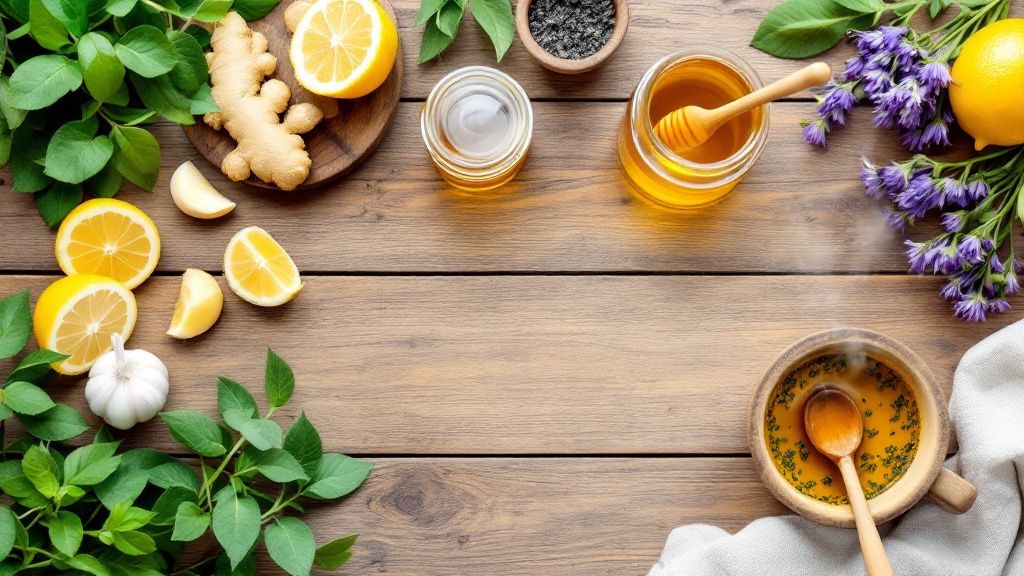
When a viral infection strikes, your body's immune system launches a complex defense. While modern medicine offers crucial support, many turn to time-tested home remedies for viral infections to help manage symptoms and bolster their natural defenses. It’s important to understand that these remedies support your body's fight against viruses like Rhinovirus or Influenza A (such as H1N1), but they are not cures. They can work by reducing inflammation, providing essential nutrients for immune cells, or exhibiting mild antiviral properties.
This guide explores seven evidence-based options, detailing not just what to use, but precisely how to prepare and use them effectively and safely for symptomatic relief. We will provide actionable steps for each remedy, from brewing the perfect ginger tea to understanding the appropriate use of zinc.
As we delve into these natural allies, remember that prevention is paramount. Maintaining a clean environment is a critical first step in reducing your exposure to common pathogens like Norovirus (Norwalk Virus) and SARS-Related Coronavirus 2 (SARS-CoV-2), both of which can persist on surfaces. A comprehensive approach, combining supportive home care with robust hygiene practices like using disinfecting wipes, offers the best strategy for staying healthy. This article provides a practical toolkit for managing symptoms when you're feeling unwell, empowering you to support your body's healing process from the comfort of home.
1. Ginger Tea
When symptoms of a viral infection arise, reaching for a warm, spicy cup of ginger tea is a practice rooted in centuries of traditional medicine. Ginger (Zingiber officinale) is more than just a flavorful root; it's a powerhouse of bioactive compounds. The primary active ingredients, gingerols and shogaols, are responsible for its distinctive taste and potent therapeutic properties. These compounds have been studied for their powerful anti-inflammatory and antiviral effects, making ginger tea one of the most effective home remedies for viral infections.
The mechanism behind ginger's efficacy involves boosting immune function while simultaneously reducing inflammation, particularly within the respiratory system. This dual action helps soothe a sore throat, alleviate congestion, and may even inhibit the replication of certain viruses.
Why It Works: From Ancient Practice to Modern Science
Ginger’s use in managing respiratory ailments is well-documented across cultures. It's a cornerstone of Traditional Chinese Medicine for treating colds and has been a staple in India's Ayurvedic medicine for managing flu-like symptoms for millennia.
Modern scientific research has begun to validate these traditional uses. For instance, studies have shown that fresh ginger can be effective against respiratory syncytial virus (RSV), a common cause of respiratory illness. Its anti-inflammatory properties also help manage the body's response to infections, reducing the severity of symptoms like aches and pains.
Practical Application and Preparation
To harness its full benefits, proper preparation is key.
- Use Fresh Ginger: Opt for fresh ginger root over dried powder for higher concentrations of gingerol.
- Optimal Dosage: Use a 1 to 2-inch piece of fresh, sliced or grated ginger root per cup (8 ounces) of water.
- Simmering for Potency: Bring the water and ginger to a boil, then reduce the heat and let it simmer for 10-15 minutes. This process is crucial for extracting the active compounds.
- Enhance and Soothe: Add a teaspoon of raw honey and a squeeze of fresh lemon juice after simmering. Honey adds antimicrobial properties and soothes the throat, while lemon provides a boost of Vitamin C.
For best results during an active infection, consume 2-3 cups of this potent tea daily. This simple summary provides a quick reference for preparing your own powerful ginger remedy.

As the infographic highlights, the combination of specific active compounds and proper preparation makes ginger a formidable ally against viral symptoms. By following these evidence-based tips, you can transform a simple root into a comforting and effective therapeutic beverage.
2. Honey and Lemon
The simple mixture of honey and lemon in warm water is one of the most widely recognized home remedies for viral infections, cherished for its comforting and symptom-soothing effects. This classic combination is more than just folk wisdom; it leverages the distinct properties of each ingredient to support the body's fight against illness. Honey is renowned for its natural antimicrobial and anti-inflammatory qualities, while lemon provides a significant boost of vitamin C, a crucial antioxidant for immune system support.

The synergy between these two ingredients creates a powerful soothing agent. Honey coats the throat, providing relief from the irritation that causes coughing, while its enzymes like glucose oxidase produce small amounts of hydrogen peroxide, which helps inhibit microbial growth. Lemon juice helps thin mucus and provides antioxidants that can protect cells from damage, making this a go-to remedy when respiratory viruses like Rhinovirus Type 14 or Influenza strike.
Why It Works: From Ancient Practice to Modern Science
The use of honey and lemon is a time-honored tradition in British and American folk medicine, often recommended as the first line of defense against a cold or sore throat. It is so well-regarded that many pediatricians recommend honey as a safe and effective cough suppressant for children over one year of age. Even professional singers and performers often rely on this mixture to maintain vocal health.
Scientific validation for these uses is growing, particularly with research into specific types of honey. Studies on Manuka honey, pioneered by Dr. Peter Molan, have demonstrated its potent antibacterial and antiviral properties. While all raw honey possesses beneficial qualities, its effectiveness as a demulcent (a substance that relieves irritation of the mucous membranes) is well-established, making it a scientifically sound choice for throat relief.
Practical Application and Preparation
Creating an effective honey and lemon remedy is simple, but a few details can enhance its therapeutic impact.
- Use Raw Honey: Opt for raw, unprocessed honey, such as Manuka, as it retains more of its natural enzymes and antimicrobial compounds compared to processed varieties.
- Optimal Dosage: Mix two tablespoons of raw honey with the juice of half a fresh lemon into a cup of warm (not boiling) water.
- Gentle Warming: Warming the mixture slightly makes it more pleasant to drink and helps it coat the throat more effectively. Avoid high heat, which can degrade the beneficial compounds in honey.
- Timing for Relief: For an active sore throat or cough, take a dose every 2-3 hours to maintain consistent relief and support your immune system throughout the day.
This simple preparation turns two basic kitchen staples into a potent, comforting, and effective tool for managing the symptoms of a viral infection. While it soothes, remember that viruses can linger on surfaces; complementing home care with proper hygiene, such as using disinfecting wipes on high-touch areas, is crucial for preventing spread.
3. Garlic
For centuries, garlic (Allium sativum) has been revered not just for its culinary prowess but also for its medicinal might. When a viral infection begins to take hold, incorporating garlic into your routine can be a potent defensive strategy. The magic lies within its sulfur compounds, primarily allicin, which is released when a clove is crushed, chopped, or chewed. This powerful compound is credited with garlic's significant antiviral, antibacterial, and immune-boosting properties, making it one of the most respected home remedies for viral infections.
The mechanism behind garlic's effectiveness is multifaceted. Allicin and other active compounds work to stimulate immune cells like macrophages and lymphocytes, enhancing the body's natural ability to seek and destroy pathogens. This boost to the immune system can help shorten the duration and lessen the severity of viral illnesses.
Why It Works: From Ancient Practice to Modern Science
The use of garlic as a medicinal agent dates back to ancient civilizations. Egyptian and Greek physicians, including Hippocrates, prescribed it for a wide range of conditions, particularly respiratory infections. This tradition carried on through folk medicine in cultures worldwide, from Eastern Europe to the Mediterranean.
Modern research, including clinical trials led by figures like Dr. Peter Josling, has begun to provide scientific validation for these long-held beliefs. Studies have demonstrated that garlic supplementation can significantly reduce the frequency of colds and the duration of symptoms. Its ability to support the immune system makes it a valuable tool for managing the common virus symptoms associated with infections like influenza and the common cold (e.g., Rhinovirus Type 39).
Practical Application and Preparation
To unlock garlic's full therapeutic potential, its preparation is crucial.
- Activate Allicin: Always crush or chop fresh garlic cloves and let them sit for 10-15 minutes before consumption. This waiting period is essential for the enzymatic reaction that produces allicin.
- Optimal Dosage: During an active infection, aim to consume 2-3 raw cloves daily.
- Improve Palatability: To make raw garlic more palatable, mix the crushed cloves with a teaspoon of raw honey. This not only masks the strong taste but also adds honey's own antimicrobial benefits.
- Cooking Considerations: If you must cook it, add garlic at the very end of the cooking process and heat it lightly. Overcooking destroys allicin and diminishes its medicinal properties.
For a potent immune-boosting shot, mix one crushed garlic clove with a teaspoon of honey and a pinch of cayenne pepper. Consuming this mixture 2-3 times daily when you feel symptoms emerging can provide powerful support for your body's fight against viral invaders.
4. Elderberry Syrup
When it comes to traditional herbal home remedies for viral infections, elderberry syrup holds a prominent place. Derived from the dark purple berries of the Sambucus tree, this remedy has been used for centuries to combat colds, flu, and other respiratory ailments. The power of elderberry lies in its rich concentration of bioactive compounds, particularly anthocyanins and flavonoids, which give the berries their deep color and potent therapeutic effects. These compounds are known for their strong antioxidant, anti-inflammatory, and immune-boosting properties.

The mechanism behind elderberry's effectiveness is multifaceted. Research suggests that its flavonoids can block viral proteins, specifically the hemagglutinin spikes found on influenza viruses like H1N1 and H5N1 (Avian Influenza), which prevents them from entering and infecting host cells. This action effectively inhibits viral replication, while the syrup’s immune-modulating effects help the body mount a more efficient defense, potentially shortening the duration of illness.
Why It Works: From Ancient Practice to Modern Science
The use of elderberry is a long-standing tradition in European folk medicine, particularly for warding off seasonal illnesses. Its reputation has led to rigorous scientific investigation, pioneered by figures like Israeli virologist Dr. Madeleine Mumcuoglu.
Clinical trials have validated these traditional claims. One notable study demonstrated that participants taking elderberry extract recovered from influenza-like symptoms, on average, four days faster than the placebo group. Its efficacy has been observed in various flu outbreaks, leading to its adoption as a trusted preventative and acute treatment remedy by families worldwide. While it targets the internal viral load, remember that viruses also spread on surfaces, making routine disinfection with quality wipes a key part of a comprehensive household health strategy.
Practical Application and Preparation
To get the most out of elderberry syrup, timing and proper dosage are crucial. It is most effective when taken at the very first sign of symptoms.
- Choose Quality Products: When purchasing, opt for organic, alcohol-free preparations from reputable brands to ensure purity and potency.
- Recommended Dosage: For adults, a typical dose is 1 tablespoon (15 ml) taken 3-4 times daily during an active infection. For children, the dose is generally reduced to 1 teaspoon (5 ml).
- Start Immediately: Begin taking the syrup as soon as you feel symptoms like a scratchy throat, fatigue, or body aches.
- Proper Storage: If you make your own syrup, store it in an airtight container in the refrigerator, where it can last for up to 3 months.
By following these guidelines, elderberry syrup can serve as a powerful and great-tasting tool in your arsenal of home remedies for viral infections. Its ability to directly interfere with viral mechanisms makes it a standout natural option for supporting your immune system during cold and flu season.
5. Echinacea
When the first tell-tale signs of a viral illness appear, such as a scratchy throat or fatigue, turning to Echinacea is a well-regarded strategy in herbal medicine. Echinacea, particularly the Echinacea purpurea species, is a prominent flowering plant celebrated for its immune-modulating capabilities. The herb contains a complex mix of active substances, including alkamides, polysaccharides, and glycoproteins, which are thought to work together to enhance the body's natural defense systems.
Echinacea is believed to function by stimulating the activity of immune cells, such as macrophages and natural killer cells, which are critical for identifying and eliminating pathogens. This immune-boosting action is why Echinacea is considered one of the most effective home remedies for viral infections when used proactively at the onset of symptoms. It helps fortify the body's response, potentially shortening the duration and reducing the severity of common viral ailments like the cold.
Why It Works: From Ancient Practice to Modern Science
Echinacea’s use as a medicinal herb originates with the Native American Plains tribes, who employed it for a wide range of ailments, including infections and snakebites. Its reputation as an immune tonic eventually spread, and it became a staple in Western herbalism.
Modern research, particularly extensive clinical trials in Germany, has investigated these traditional claims. Studies suggest that Echinacea may increase the production of white blood cells and other immune compounds, priming the body to fight off invaders more effectively. While results can be mixed depending on the preparation and species used, its adoption by regulatory bodies like the German Commission E for treating common colds speaks to its established role in phytotherapy.
Practical Application and Preparation
To effectively use Echinacea, timing and proper selection are crucial.
- Act Immediately: Begin taking Echinacea at the very first sign of symptoms. It is most effective when used to preempt a full-blown infection.
- Choose Standardized Extracts: Look for products that specify the species (e.g., Echinacea purpurea) and are standardized to contain a guaranteed amount of active compounds. This ensures potency and consistency.
- Short-Term Use: It is generally recommended to use Echinacea for a short duration, typically 7-10 days consecutively.
- Cycle Your Intake: To maintain its effectiveness, avoid long-term continuous use. Taking breaks between periods of use helps prevent the body from becoming accustomed to its effects.
Following these guidelines ensures you are using this powerful herb safely and effectively. For more information on proactive health measures, you can learn more about how to prevent virus infection on virusfaq.com. By integrating Echinacea promptly, you support your immune system when it needs it most.
6. Coconut Oil
While often celebrated for its culinary and cosmetic uses, virgin coconut oil also holds a place in traditional wellness practices as a supportive home remedy. Coconut oil is unique due to its high concentration of medium-chain fatty acids (MCFAs), particularly lauric acid. When consumed, the body converts lauric acid into a powerful compound called monolaurin. These substances are believed to possess antiviral properties by disrupting the lipid membrane of enveloped viruses, effectively hindering their ability to attach to and infect host cells.
This mechanism makes coconut oil an interesting addition to a broader wellness strategy focused on immune support. By potentially interfering with viral replication and offering antimicrobial benefits, it serves as a complementary approach to bolster the body's natural defenses when facing a viral challenge.
Why It Works: From Ancient Practice to Modern Science
The use of coconut and its derivatives is deeply ingrained in the traditions of Pacific Islander cultures, where it has long been valued for its health-promoting properties. Its modern resurgence in natural health circles is largely thanks to the research of biochemists like Dr. Mary Enig, who highlighted the unique properties of its MCFAs.
Scientific inquiry has explored the effects of lauric acid and monolaurin on various pathogens. Lab studies have suggested that these compounds can be effective against several lipid-coated viruses, such as Herpes Simplex Virus 1 (HSV-1), Hepatitis C Virus (HCV), and Influenza viruses. While more extensive human clinical trials are needed, the existing research supports its plausible role as an immune-supportive agent, making it one of the more unique home remedies for viral infections.
Practical Application and Preparation
To integrate coconut oil effectively, quality and method are paramount.
- Choose Virgin, Unrefined Oil: Select cold-pressed, virgin, or extra-virgin coconut oil to ensure the highest concentration of beneficial compounds like lauric acid.
- Start with a Small Dose: Begin with 1 teaspoon per day to allow your digestive system to adjust, gradually increasing to 1-2 tablespoons daily if well-tolerated.
- Incorporate Into Your Diet: The oil can be taken directly, added to warm beverages like tea or coffee, or blended into smoothies.
- Practice Oil Pulling: For oral health and potential systemic benefits, swish 1 tablespoon of coconut oil in your mouth for 10-15 minutes on an empty stomach, then spit it out.
Consuming a small amount of high-quality coconut oil daily during periods of illness or for general immune support can be a simple, practical addition to your wellness routine.
7. Zinc Supplementation
When battling a viral infection, supplementing with zinc is a powerful, evidence-backed strategy to support your body's defense mechanisms. Zinc is an essential mineral vital for cellular function, and its role in the immune system is particularly significant. The key active components are zinc ions, which have been shown to possess direct antiviral properties. These ions can interfere with viral replication and help modulate the immune response, making zinc one of the most studied and effective home remedies for viral infections.
The mechanism behind zinc's power lies in its ability to inhibit the activity of viral enzymes necessary for replication, such as viral polymerase. It also helps strengthen the physical barrier of the respiratory tract and supports the function of immune cells like neutrophils and natural killer cells, which are crucial for fighting off pathogens. This two-pronged approach both attacks the virus and fortifies your body's defenses.
Why It Works: From Mineral to Medicine
Zinc’s role as an immune-supportive agent has transitioned from nutritional science to clinical application. It is a fundamental mineral required for a robust immune response, and a deficiency can lead to increased susceptibility to infections. Its use is now recommended by many integrative medicine physicians and is even used in hospital settings for immune-compromised patients.
Modern scientific reviews have solidified its place as a go-to remedy. A comprehensive Cochrane review confirmed that taking zinc supplements, particularly as lozenges, within 24 hours of the first signs of a common cold can significantly shorten the duration of the illness. This validation from a respected research body underscores the scientific basis for its traditional use. Learn more about ways to boost your immune system naturally on virusfaq.com.
Practical Application and Preparation
To effectively use zinc against a viral infection, timing and form are critical.
- Act Quickly: Begin supplementation within 24 hours of the first symptom onset for the best results.
- Optimal Form: Use zinc gluconate or zinc acetate lozenges, as these forms have been shown to be most effective in clinical studies for releasing free zinc ions in the throat.
- Proper Dosing: Let the lozenge dissolve slowly in your mouth every 2-4 hours while awake. Avoid chewing it or drinking citrus juices immediately after, as this can reduce its effectiveness.
- Avoid Interactions: Take zinc separately from calcium or iron supplements, as they can compete for absorption. To minimize potential stomach upset, take it with a small amount of food.
Following these guidelines can help you leverage the antiviral power of zinc to shorten your recovery time. By starting this simple regimen at the first tickle in your throat, you can give your immune system a significant advantage.
Home Remedies Effectiveness Comparison
| Item | Implementation Complexity 🔄 | Resource Requirements ⚡ | Expected Outcomes 📊 | Ideal Use Cases 💡 | Key Advantages ⭐ |
|---|---|---|---|---|---|
| Ginger Tea | Moderate (preparation time ~15 mins) | Requires fresh/dried ginger, water | Symptom relief, antiviral & anti-inflammatory effects | Respiratory infections, colds | Natural expectorant, digestive benefits, safe for most |
| Honey and Lemon | Low (simple mixing) | Common household ingredients | Quick symptom relief, immune support | Coughs, sore throat, immune boost | Pleasant taste, antimicrobial, safe for children >12mo |
| Garlic | Low to moderate (crush/chop & rest) | Fresh garlic cloves | Immune boost, broad-spectrum antiviral | Regular diet addition, infection support | Proven antiviral, inexpensive, cardiovascular support |
| Elderberry Syrup | Low to moderate (ready-made or homemade) | Purchased syrup or fresh elderberries (requires cooking) | Reduces flu duration by 2-4 days | Flu prevention and treatment | Clinically backed, pleasant taste, multiple forms |
| Echinacea | Low (capsules, tincture, or tea) | Supplements or herbs | Reduces cold duration by 1-3 days | Early infection intervention | Well-researched, multiple forms, boosts immune cells |
| Coconut Oil | Low (direct use or in recipes) | Virgin coconut oil | Antiviral support, anti-inflammatory | Immune support, topical and internal use | Versatile use, stable shelf life, pleasant taste |
| Zinc Supplementation | Low (capsules, lozenges) | Supplements (various forms) | Shortens cold duration by 2-3 days | Early-stage infection, immune support | Extensive clinical support, essential nutrient |
Integrating Remedies with Smart Prevention
Navigating the landscape of viral infections, from the seasonal flu to more persistent threats like Herpes Simplex Virus 1 (HSV-1), can feel overwhelming. Throughout this guide, we've explored a powerful toolkit of evidence-supported home remedies for viral infections. From the anti-inflammatory properties of ginger tea and the antimicrobial power of garlic to the immune-boosting potential of elderberry and echinacea, these natural solutions offer tangible ways to manage symptoms and support your body's innate defenses.
The core takeaway is that you are not powerless when a virus strikes. By incorporating simple, potent remedies like a soothing honey and lemon mixture or ensuring adequate zinc intake, you can actively participate in your recovery. These methods work by alleviating discomfort, reducing viral replication, and providing your immune system with the resources it needs to mount an effective response against a wide range of pathogens, including various strains of Influenza and common Rhinoviruses.
From Reactive Care to Proactive Defense
While these remedies are invaluable for symptomatic relief, the most effective health strategy is always one of prevention. Understanding how viruses spread is the first step toward building a resilient defense. Many common and highly contagious viruses, such as Human Rotavirus and Feline Calicivirus (a surrogate for Norovirus), are transmitted through contact with contaminated surfaces. This is where your daily habits become your greatest asset.
Key Insight: True wellness is not just about treating sickness when it arrives; it's about creating an environment where pathogens struggle to survive and transmit. Combining immune support with vigilant hygiene is the cornerstone of modern health protection.
Mastering a dual approach of internal support and external defense provides a comprehensive shield. While you use remedies like elderberry syrup to fortify your immune system from within, you must also work to eliminate threats from your environment.
Your Actionable Next Steps for Viral Resilience
Building on the knowledge of these home remedies, it's time to integrate them into a holistic, proactive lifestyle. This multi-layered strategy significantly reduces your vulnerability to infection and empowers you to protect not only your own health but also the well-being of those around you.
Here’s how to put it all together:
- Consult and Personalize: Before adding new supplements like zinc or echinacea to your routine, always consult with a healthcare professional. They can help you determine the appropriate dosage and ensure there are no interactions with existing medications or health conditions.
- Stock Your Wellness Pantry: Proactively stock your home with the items discussed, such as ginger, raw honey, garlic, and elderberry. Having them on hand means you can act at the first sign of symptoms, which is often when these remedies are most effective.
- Prioritize Surface Hygiene: This is the most critical step. Viruses can linger on doorknobs, countertops, phones, and keyboards for hours or even days. Make regular disinfection of these high-touch surfaces a non-negotiable part of your daily and weekly cleaning routine.
- Adopt a Hygiene-First Mindset: Beyond cleaning surfaces, practice consistent handwashing. For moments when soap and water aren't available, or for quick sanitization of personal items and shared spaces, high-quality disinfecting wipes are an indispensable tool. They provide a convenient and effective way to break the chain of transmission for viruses like Norovirus or SARS-Related Coronavirus 2.
By weaving these powerful home remedies for viral infections into a lifestyle that prioritizes smart prevention and meticulous hygiene, you create a robust defense system. You are not just fighting a virus; you are cultivating a state of resilient health, ready to face seasonal challenges and protect your community with informed, decisive action.
Leave a Reply