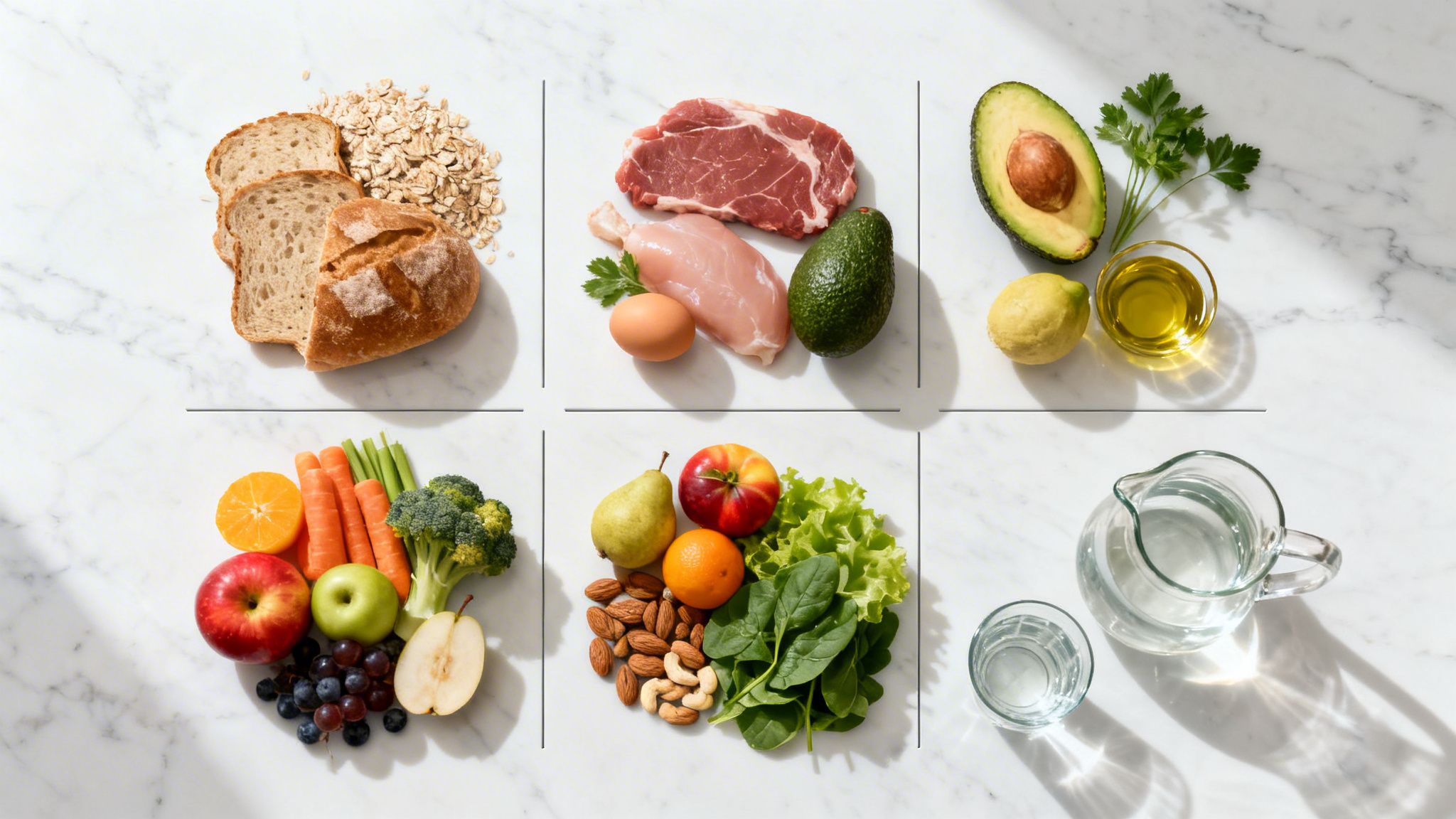
In the ongoing battle against viruses like Influenza, SARS-CoV-2, and Norovirus, your immune system is the frontline defense. While we often think of external measures like hand washing and surface disinfection, the true power to resist and recover from infection starts from within. A robust immune response is not a matter of chance; it's built and fueled by the food we consume. This article demystifies the science behind nutrition and immunity by exploring the 6 types of nutrients that are fundamental to your body's ability to identify, fight, and clear viral pathogens.
Understanding the specific role each nutrient plays is the first step toward creating a resilient biological shield. From carbohydrates that fuel the high energy demands of immune cells to proteins that serve as the literal building blocks for antibodies, your diet provides the essential raw materials for defense. We will examine how these six critical components work, where to find them, and how they directly impact your susceptibility to and recovery from viral encounters. For a holistic approach to immunity, consider incorporating foods known for their anti-inflammatory properties, which can further strengthen your defenses. Exploring inflammation reducing foods can offer additional strategies to support your body's systems.
As you navigate the detailed information on VirusFAQ.com, you'll see how these foundational nutritional concepts connect to preventing transmission and maintaining health in a world full of microscopic threats. This guide will provide actionable insights into each of the six nutrient categories, empowering you to make informed dietary choices that support a strong, virus-ready immune system.
1. Carbohydrates: Energy Source for Immune System Function During Viral Infections
Often discussed in the context of physical energy, carbohydrates are organic compounds that serve as the body's primary fuel. They are fundamental among the 6 types of nutrients, especially when your body is under stress, such as during a viral infection. When a virus like Influenza A Virus (H1N1) invades, the immune system mounts a complex and energy-demanding response. This process, involving the activation and proliferation of immune cells like lymphocytes and macrophages, requires a substantial amount of adenosine triphosphate (ATP), the body's energy currency. These critical immune cells are highly dependent on glucose, the simplest form of carbohydrate, for fuel.

Without adequate carbohydrate intake, the body may break down protein (muscle tissue) for energy, a process called gluconeogenesis. This can weaken the body and impede recovery. Just as athletes utilize specific sources for sustained energy during exercise, your immune system relies on a consistent supply of carbohydrates for optimal function. Understanding the role of intra workout carbs for performance offers a parallel to how the body needs steady fuel during the "marathon" of fighting off an infection. Providing your body with the right kind of carbohydrates ensures your immune system has the resources it needs without compromising muscle mass.
Key Role and Food Sources
The type of carbohydrate you consume matters significantly. Complex carbohydrates are digested more slowly, providing a steady release of glucose into the bloodstream, which is ideal for sustained immune activity.
- Complex Carbohydrates: These should be your priority. Good sources include whole grains like oats, brown rice, and quinoa, as well as starchy vegetables like sweet potatoes and legumes such as beans and lentils.
- Simple Carbohydrates: Found in fruits, milk, and also in refined sugars (soda, candy). While fruit offers valuable vitamins and antioxidants, refined sugars can cause rapid spikes and crashes in blood glucose, which may not be ideal for a stable immune response.
Key Insight: During recovery from an illness like influenza or SARS-CoV-2, a diet rich in complex carbohydrates helps replenish glycogen stores and provides the continuous energy needed for tissue repair and immune function. A simple bowl of oatmeal can be a powerful tool in supporting this process.
Actionable Dietary Tips for Immune Support
To make carbohydrates work for your immune health, especially during and after a viral illness, focus on strategic choices.
- Prioritize Complex Carbs: Make whole grains, legumes, and starchy vegetables the foundation of your meals. These foods provide lasting energy and prevent the energy crashes associated with sugary snacks.
- Include Fiber-Rich Sources: A significant portion of your immune system resides in the gut. High-fiber foods like oats, apples, and beans act as prebiotics, feeding beneficial gut bacteria that help regulate immune responses against pathogens like Norovirus (Norwalk Virus).
- Balance Your Plate: Combine carbohydrate-rich foods with protein and healthy fats. This combination helps stabilize blood glucose levels, ensuring a consistent energy supply for recovery and preventing fatigue. For example, pair brown rice with chicken or top your whole-wheat toast with avocado.
Maintaining a diet with sufficient, high-quality carbohydrates is a foundational step in preparing your body to fight off infections and recover efficiently. For more ways to support your body's defenses, you can learn more about how to boost your immune system and the role of overall nutrition.
2. Proteins: Building Blocks for Antibodies and Immune Cell Production
Essential for growth and repair, proteins are complex macronutrients made from amino acids. They form the structural foundation of virtually every cell in the body. Among the 6 types of nutrients, proteins take on a direct combat role during a viral infection. The immune system's most effective weapons, including antibodies that neutralize viruses like Herpes Simplex Virus 1 (HSV-1) and cytokines that signal other immune cells, are proteins. When your body detects a pathogen, it dramatically increases the production of these specialized proteins, a process that demands a ready supply of amino acid building blocks.
During an active infection, the body’s demand for specific amino acids skyrockets to support the creation of immunoglobulins (antibodies) and new immune cells like T-cells and natural killer cells. A protein deficiency can severely impair this response, leading to a weaker defense and a longer recovery period. This is why nutritional guidelines for managing viral diseases, including those from the WHO for infections like Hepatitis B Virus (HBV), emphasize adequate protein intake. For instance, studies on critically ill COVID-19 patients have shown that protein supplementation can be associated with improved outcomes, highlighting the nutrient's importance in immune reconstitution and tissue repair following viral damage.
Key Role and Food Sources
The quality and completeness of protein sources are critical for an effective immune response, as the body needs a full spectrum of essential amino acids to build its defensive arsenal.
- Complete Proteins: These contain all nine essential amino acids. They are readily available for the body to use in synthesizing immune cells and antibodies. Top sources include lean meats like chicken and turkey, fish, eggs, and dairy products.
- Incomplete Proteins: Plant-based sources like beans, lentils, nuts, and whole grains often lack one or more essential amino acids. However, combining different plant proteins (e.g., rice and beans, or hummus with whole-wheat bread) creates a complete amino acid profile.
Key Insight: The age-old remedy of chicken soup for a cold is backed by science. Beyond providing hydration and electrolytes, chicken provides cysteine, an amino acid that helps thin mucus. The broth and vegetables also have anti-inflammatory properties, making it a powerful, protein-rich tool for supporting recovery from respiratory infections like Influenza or Rhinovirus Type 14.
Actionable Dietary Tips for Immune Support
To ensure your body has the protein it needs to mount a strong defense against viruses and recover effectively, consider these strategies.
- Increase Intake During Illness: During and after a viral illness, aim for a higher protein intake, around 1.2 to 1.6 grams of protein per kilogram of body weight daily. This supports the heightened production of antibodies and helps rebuild muscle tissue that may have been lost.
- Spread Protein Throughout the Day: Instead of one large protein-heavy meal, distribute your intake across several meals and snacks. This approach optimizes muscle protein synthesis and provides a steady stream of amino acids for your immune system. A hard-boiled egg for a snack or a scoop of protein powder in a smoothie can be effective.
- Combine Plant Proteins: If you follow a plant-based diet, be mindful of combining sources to form complete proteins. A bowl of lentil soup with a side of whole-grain bread, or a black bean burger on a whole-wheat bun, ensures your body gets all the necessary building blocks for its immune defenses. You can further explore the relationship between the body's defenses by understanding more about antibodies and antigens.
3. Vitamins: Micronutrient Cofactors Essential for Antiviral Enzyme Function
Vitamins are a critical group within the 6 types of nutrients, acting as organic compounds that the body needs in small quantities for a variety of metabolic processes. They are indispensable for a healthy immune system, functioning as cofactors in countless enzymatic reactions that drive antiviral defense. When a virus like Influenza or Rhinovirus Type 39 enters the body, specific vitamins are required to activate immune cells, produce antibodies, and regulate the inflammatory response. Deficiencies in key vitamins can severely weaken these defense mechanisms, leaving the body more susceptible to infection and slowing down recovery.

The importance of vitamins has been highlighted by decades of research, from Linus Pauling's work on Vitamin C to recent studies during the COVID-19 pandemic. For instance, some clinical research has suggested that maintaining adequate vitamin D levels may reduce the risk of severe outcomes from respiratory infections. Similarly, studies on the common cold have shown that a combination of Vitamin C and zinc can shorten its duration. These findings underscore that while not a cure, a sufficient supply of vitamins is foundational for an immune system prepared to effectively combat viral threats.
Key Role and Food Sources
Different vitamins perform distinct but complementary roles in immune defense. They are broadly categorized as water-soluble (like B-complex and C) or fat-soluble (A, D, E, and K).
- Vitamin C: A powerful antioxidant that protects immune cells from damage and is essential for their function. It's found abundantly in citrus fruits (oranges, kiwi), bell peppers, strawberries, and broccoli.
- Vitamin D: Often called the "sunshine vitamin," it modulates the immune response and helps prevent excessive inflammation. Sources include fatty fish (salmon, mackerel), fortified milk, and sun exposure.
- Vitamin A: Crucial for maintaining the integrity of mucosal barriers in the respiratory and digestive tracts, which are the body's first line of defense against pathogens. It can be found in sweet potatoes, carrots, spinach, and eggs.
- Vitamin E: Another potent antioxidant that helps protect cell membranes from damage caused by oxidative stress during an infection. Nuts, seeds, and spinach are excellent sources.
Key Insight: Many viral pathogens, from Norovirus to Herpes Simplex Virus 2 (HSV-2), first attempt to breach mucosal linings. Vitamin A is directly involved in maintaining these physical barriers, making it a front-line defender. Ensuring adequate intake helps reinforce these entry points against invasion.
Actionable Dietary Tips for Immune Support
To optimize your vitamin status for robust immune function, particularly during seasons with a high prevalence of viruses like Influenza A (H1N1), a strategic and consistent approach is key.
- Eat a Colorful Diet: Aim to include a wide variety of colorful fruits and vegetables in your meals every day. The different pigments correspond to different vitamins and antioxidants, ensuring you get a broad spectrum of immune-supporting nutrients.
- Focus on Daily Intake for Water-Soluble Vitamins: Your body does not store water-soluble vitamins like Vitamin C, so they must be consumed daily. A glass of orange juice or a serving of bell peppers can help keep your levels topped up.
- Pair Fats with Fat-Soluble Vitamins: For your body to absorb vitamins A, D, and E effectively, they must be consumed with a source of dietary fat. For example, add almonds to your spinach salad or cook carrots with a little olive oil.
- Consider Your Location and Lifestyle: If you live in a northern latitude with limited sun exposure, especially in winter, supplementing with Vitamin D (1000-2000 IU) may be necessary to maintain adequate levels for immune defense.
A diet rich in these micronutrients is a cornerstone of viral preparedness. You can explore a deeper analysis of the best vitamins for immune support to further refine your nutritional strategy.
4. Minerals: Electrolytes and Cofactors for Immune Cell Signaling
Often overshadowed by vitamins, minerals are inorganic elements essential for a vast array of physiological functions. They are a critical category among the 6 types of nutrients, acting as vital cofactors for enzymes and as electrolytes that regulate fluid balance, particularly during the stress of a viral illness. When your body fights a pathogen like Human Rotavirus, key minerals such as zinc, selenium, iron, and magnesium become central players in coordinating the immune response. They are fundamental for the proper function of immune cells and for facilitating the signaling cascades that tell your body how to attack invading viruses.
A deficiency in specific minerals can directly impair your body's ability to defend itself. Zinc, for example, is crucial for the development and function of neutrophils and natural killer cells, which are part of the initial antiviral defense. Selenium is a component of powerful antioxidant enzymes like glutathione peroxidase, which protect immune cells from the oxidative damage they create while destroying pathogens. Without adequate mineral levels, immune cell communication falters, enzyme activity drops, and the body's overall resilience to infection from viruses like Feline Calicivirus is weakened, prolonging recovery and increasing susceptibility.
Key Role and Food Sources
Different minerals play distinct, specialized roles in immune defense, and obtaining them from a varied diet is key.
- Zinc: Essential for immune cell function and has been shown to inhibit the replication of viruses like Rhinovirus. Food sources include oysters, beef, pumpkin seeds, and lentils. Commercial zinc lozenges like Cold-Eeze are popularized for their potential to shorten cold duration.
- Selenium: Acts as a potent antioxidant, protecting cells from damage. Just 1-2 Brazil nuts can meet the daily requirement. Other sources are tuna, sardines, and eggs.
- Iron: Crucial for the proliferation and maturation of immune cells, but its balance is delicate as pathogens also require iron. Sources include red meat, spinach, and fortified cereals.
- Electrolytes (Sodium, Potassium): These minerals are vital for maintaining fluid balance, nerve signaling, and muscle contractions. They are easily lost through sweat, vomiting, or diarrhea during illnesses like viral gastroenteritis caused by Norovirus. Sources include bananas, potatoes, and oral rehydration solutions.
Key Insight: The timing of mineral intake can be crucial. Studies have shown that taking zinc lozenges within 24 hours of the first signs of a common cold can reduce its duration by up to 33%. This highlights how strategic mineral supplementation can directly influence the course of a viral infection.
Actionable Dietary Tips for Immune Support
Incorporating minerals effectively requires attention to timing, combinations, and sources, especially when you feel an illness coming on.
- Act Quickly with Zinc: At the first sign of a cold or flu, consider consuming zinc-rich foods or a zinc lozenge. This can help interfere with viral replication in the nasopharynx, potentially shortening your sickness.
- Maintain Electrolyte Balance: If you are experiencing fluid loss from a fever or gastrointestinal illness caused by a virus like Human Rotavirus, prioritize hydration with an oral rehydration solution that contains sodium and potassium. This prevents dehydration and supports cellular function.
- Enhance Mineral Absorption: Pair your mineral sources wisely. Consuming iron-rich plant foods like spinach with a source of vitamin C, such as bell peppers or citrus fruit, can significantly increase iron absorption. Be mindful that some minerals compete for absorption; it’s best to separate high-dose iron and zinc supplements by at least two hours.
5. Water: Essential Solvent for Immune Cell Function and Viral Clearance
Often overlooked in discussions of nutrition, water is the single most essential nutrient for life and a cornerstone among the 6 types of nutrients. It acts as the fundamental medium in which all bodily processes, including every stage of an immune response, take place. When your body is fighting a viral infection, maintaining proper hydration becomes even more critical. Increased fluid loss is common during illness due to fever, sweating, vomiting, or diarrhea. This dehydration can impair the body’s ability to fight off pathogens like Norovirus (Norwalk Virus), as adequate water is necessary for cellular function, nutrient transport, and maintaining the integrity of mucosal barriers in the respiratory and gastrointestinal tracts.
These barriers are a first line of defense against viruses like Influenza and Norovirus. When dehydrated, they can dry out and crack, creating entry points for pathogens. Moreover, all immune cells, from lymphocytes to macrophages, require a hydrated environment to function, communicate, and travel through the bloodstream and lymphatic system to sites of infection. A well-hydrated body ensures these processes run without interference.
Key Role and Food Sources
Water's primary role is to act as a solvent and transport medium, but its function in temperature regulation and waste removal is especially important during an infection.
- Hydration Sources: Plain water is the best source. However, fluids from other beverages and foods also contribute. Broths, herbal teas, and water-rich fruits and vegetables like cucumber and watermelon can supplement intake. Chicken broth, for instance, provides both hydration and essential nutrients like sodium, supporting the body during recovery from influenza.
- Electrolyte Balance: During illnesses involving significant fluid loss, like viral gastroenteritis, simply drinking water may not be enough. Electrolytes such as sodium, potassium, and chloride are lost and must be replaced. Oral rehydration solutions, based on WHO-endorsed formulas, are specifically designed to restore fluid and electrolyte balance, preventing serious complications.
Key Insight: Dehydration can thicken mucus, making it harder to clear from airways and potentially trapping pathogens, which can worsen respiratory infections. Consistent fluid intake helps keep mucus thin, supporting the body’s natural clearance mechanisms and easing symptoms like congestion when fighting viruses like Human Coronavirus.
Actionable Dietary Tips for Immune Support
Strategically managing your fluid intake can significantly impact your recovery from a viral illness and support overall immune readiness.
- Increase Intake During Illness: While a general goal is 8-10 glasses of water daily, you should aim for more when you're sick. If you have a fever or gastrointestinal symptoms, increasing your intake to 12-16 glasses can help replace lost fluids.
- Sip Consistently: Instead of drinking large amounts of water all at once, sip fluids steadily throughout the day. This method promotes better absorption and maintains consistent hydration levels, preventing the kidneys from simply flushing out excess water.
- Monitor Your Hydration Status: A simple way to check if you're getting enough fluid is to monitor your urine color. Pale yellow indicates good hydration, while dark yellow or amber is a clear sign you need to drink more. This is an easy and effective biofeedback tool to use during an illness.
- Use Warm Liquids for Comfort: For viral infections causing a sore throat or cough, such as the common cold or pharyngitis, warm liquids are especially beneficial. Warm tea, broth, or hot water with honey can soothe irritation, provide hydration, and help loosen congestion.
6. Healthy Fats: Signaling Molecules and Cell Membrane Builders for Immune Response
Often mistakenly villainized, healthy fats are a critical component among the 6 types of nutrients, playing a far more complex role than just energy storage. These lipids are essential for building the very structure of our cells and acting as powerful signaling molecules that direct the immune system. For immune cells to function, they require flexible, intact cell membranes, which are constructed from phospholipid bilayers. Moreover, specific types of fats, like omega-3 fatty acids, are converted into specialized pro-resolving mediators (SPMs) that are vital for shutting down inflammation and initiating tissue repair after a viral assault.

Without an adequate supply of healthy fats, the immune response can become dysregulated. An inflammatory response is necessary to fight pathogens like Influenza or SARS-CoV-2, but it must be resolved promptly to prevent damage to healthy tissue. Omega-3 fatty acids provide the raw materials for this resolution phase, helping the body move from a state of attack to one of healing. The emphasis on olive oil and fatty fish in the Mediterranean diet is linked to lower rates of infection and chronic disease, showcasing the power of these fats. Research has even shown that omega-3 supplementation can reduce inflammatory markers in patients with severe infections from SARS-Related Coronavirus 2 (SARS-CoV-2), highlighting their direct role in managing viral infections.
Key Role and Food Sources
The balance and type of dietary fats are crucial for managing inflammation. While some fats promote it, others actively resolve it. Polyunsaturated and monounsaturated fats are your allies in immune defense.
- Monounsaturated Fats: Found in olive oil, avocados, and nuts like almonds and cashews. These fats are stable and support overall cellular health and vitamin absorption.
- Polyunsaturated Fats (Omega-3s): The most powerful anti-inflammatory fats. Sources include fatty fish (salmon, mackerel, sardines), flaxseeds, chia seeds, and walnuts. These are directly converted into the SPMs that help end the inflammatory cycle.
- Polyunsaturated Fats (Omega-6s): Found in many processed foods and vegetable oils like corn and soybean oil. While necessary in small amounts, an excessive intake relative to omega-3s can promote a pro-inflammatory state.
Key Insight: The resolution of inflammation is an active process, not just a passive tapering off. Consuming omega-3-rich foods provides the specific building blocks for resolvins and protectins, molecules that tell the immune system the threat has passed and it's time to repair the damage, a critical step in recovering from respiratory viruses like Avian Influenza Virus (H5N1).
Actionable Dietary Tips for Immune Support
Incorporating the right fats into your diet is a strategic move to build a resilient immune system.
- Aim for Fatty Fish: Consume 2-3 servings of fatty fish like salmon or mackerel per week to get preformed EPA and DHA, the most potent omega-3s. This is one of the most direct ways to support your body's anti-inflammatory processes.
- Balance Your Omegas: Reduce intake of processed foods and certain seed oils high in omega-6s to improve your omega-3 to omega-6 ratio. This helps shift your body toward an anti-inflammatory baseline, ready to respond appropriately to pathogens like Rhinovirus.
- Enhance Nutrient Absorption: Pair your vegetables with a source of healthy fat, like drizzling olive oil on a salad or adding avocado to a meal. This is essential for absorbing fat-soluble vitamins (A, D, E, K), which are themselves indispensable for immune function.
- Practice Smart Hygiene: Since viruses can persist on surfaces, maintaining a clean environment is as important as a healthy diet. Using effective disinfecting wipes on kitchen counters, dining tables, and other high-touch surfaces helps prevent the transmission of pathogens like Norovirus, providing an external layer of defense that complements your internal immune strength. You can find out more about how to keep your surfaces safe and support your overall health.
6 Nutrients: Immune Support Comparison
| Nutrient | 🔄 Implementation Complexity | ⚡ Resource Requirements | ⭐ Expected Effectiveness | 💡 Ideal Use Cases | 📊 Key Advantages |
|---|---|---|---|---|---|
| Carbohydrates: Energy Source for Immune System Function During Viral Infections | Low — easy to incorporate into meals; timing matters for stability | Low cost, widely available; choose complex sources for best effect | ⭐⭐⭐⭐ — reliably fuels immune cell metabolism and rapid proliferation | During acute viral illness for immediate/sustained energy and recovery meals | Provides rapid ATP, supports glycemic control with complex carbs, fiber supports gut-immune axis |
| Proteins: Building Blocks for Antibodies and Immune Cell Production | Medium — requires meal planning to meet higher demands (1.2–1.6 g/kg) | Moderate — animal sources more bioavailable; plant combos needed for completeness | ⭐⭐⭐⭐⭐ — essential for antibody and immune cell synthesis | Recovery phases, severe illness, convalescence, hospitalized patients needing repletion | Direct substrate for antibodies/cytokines, preserves muscle and speeds recovery |
| Vitamins: Micronutrient Cofactors Essential for Antiviral Enzyme Function | Low–Medium — diverse diet or targeted supplementation for deficiencies | Low cost for foods; supplementation may be needed (D, C) depending on exposure | ⭐⭐⭐⭐ — crucial cofactors; deficiency impairs immunity, supplementation beneficial when deficient | Prevention and risk reduction, populations with low sun intake or limited diets | Supports enzymatic antiviral responses; widely evidence-backed and culturally adaptable |
| Minerals: Electrolytes and Cofactors for Immune Cell Signaling | Medium — balancing intake and timing to avoid interactions (zinc vs copper) | Low–moderate; some sources (oysters, Brazil nuts) less accessible; testing advised for supplements | ⭐⭐⭐⭐ — essential for signaling; targeted minerals (zinc, selenium) show clinical benefit | Symptom onset (zinc), areas with known deficiencies, diarrheal/gastroenteritis management | Cofactors in many enzymes, electrolyte support, affordable food sources, measurable effects |
| Water: Essential Solvent for Immune Cell Function and Viral Clearance | Low — habitual intake and adjusted dosing during illness; monitoring required | Minimal cost; needs safe supply and sometimes electrolyte solutions | ⭐⭐⭐⭐⭐ — fundamental for all immune processes and recovery; prevents complications | Any stage of viral illness; especially fever, vomiting, diarrhea, hospitalization | Universal necessity for biochemical reactions, hydration, mucosal barrier integrity, cheap and immediate |
| Healthy Fats: Signaling Molecules and Cell Membrane Builders for Immune Response | Medium — requires balance (omega‑3:omega‑6) and cooking considerations | Moderate — fatty fish or supplements for EPA/DHA; plant sources widely available | ⭐⭐⭐⭐ — important for membrane integrity and inflammation resolution | Reducing excessive inflammation, aiding absorption of fat‑soluble vitamins, prolonged recovery | Builds cell membranes, produces anti‑inflammatory mediators, supports vitamin absorption and tissue repair |
Integrating Nutrition and Hygiene for Comprehensive Protection
We have explored the intricate and vital roles that the 6 types of nutrients play in building a formidable internal defense system. From carbohydrates fueling our immune cells to proteins constructing the very antibodies that target invaders, each nutrient is a critical component in your body's ability to manage and recover from viral threats. Understanding this framework moves nutrition from a vague concept of "eating healthy" to a specific, actionable strategy for reinforcing your physiological resilience.
The journey through carbohydrates, proteins, fats, vitamins, minerals, and water has shown that a well-balanced diet is not just about general wellness; it's about targeted support for your immune army. When your body has an ample supply of these nutrients, it is better prepared to mount a swift and effective response against viruses, potentially reducing the severity and duration of an illness. This knowledge empowers you to view your plate as a toolkit for building a stronger you.
From Internal Fortification to External Defense
While optimizing your diet provides a powerful internal shield, it represents only half of a truly effective protection plan. A well-nourished immune system is primed for battle, but the best-case scenario is avoiding the battle altogether. This is where a proactive, external defense strategy becomes not just important, but essential.
Many of the viruses we've discussed, including persistent pathogens like Norovirus, Rhinovirus, and even SARS-CoV-2, are masters of environmental survival. They can linger on everyday surfaces for hours or even days, waiting for an opportunity to transfer.
Key Insight: A nutrient-rich diet prepares your immune system to fight a viral infection, but diligent hygiene practices can prevent that infection from ever starting. Combining both internal and external defenses creates the most robust protection possible.
Actionable Steps for a Two-Pronged Approach
Creating a comprehensive defense system involves integrating your newfound nutritional knowledge with practical, everyday hygiene habits. Your goal is to reduce your exposure to viral particles, thereby lessening the burden on your immune system.
Here are some immediate actions you can take:
- Audit Your Environment: Identify the high-touch surfaces in your home, workplace, and even your car. These include doorknobs, light switches, faucets, remote controls, keyboards, and your mobile phone.
- Establish a Cleaning Routine: Don't wait for someone to get sick. Make the regular cleaning and disinfection of these high-touch areas a standard part of your weekly, or even daily, routine. A consistent schedule is more effective than sporadic deep cleans.
- Utilize an Effective Tool: For quick, convenient, and reliable disinfection, using disinfecting wipes is an incredibly practical solution. They allow you to quickly neutralize pathogens on a variety of surfaces without the need for mixing sprays or using multiple cloths. This is especially useful for items you touch constantly, like your phone or work desk, breaking the chain of transmission with minimal effort.
By merging a diet rich in the 6 types of nutrients with a smart, consistent hygiene protocol, you are not just reacting to threats; you are proactively building a fortress. This dual approach ensures that while your body is internally prepared to defeat invaders, your external environment is actively working to keep them out. This synergy of nutrition and hygiene is the cornerstone of modern, informed health protection, giving you control and confidence in your ability to stay well.
Leave a Reply