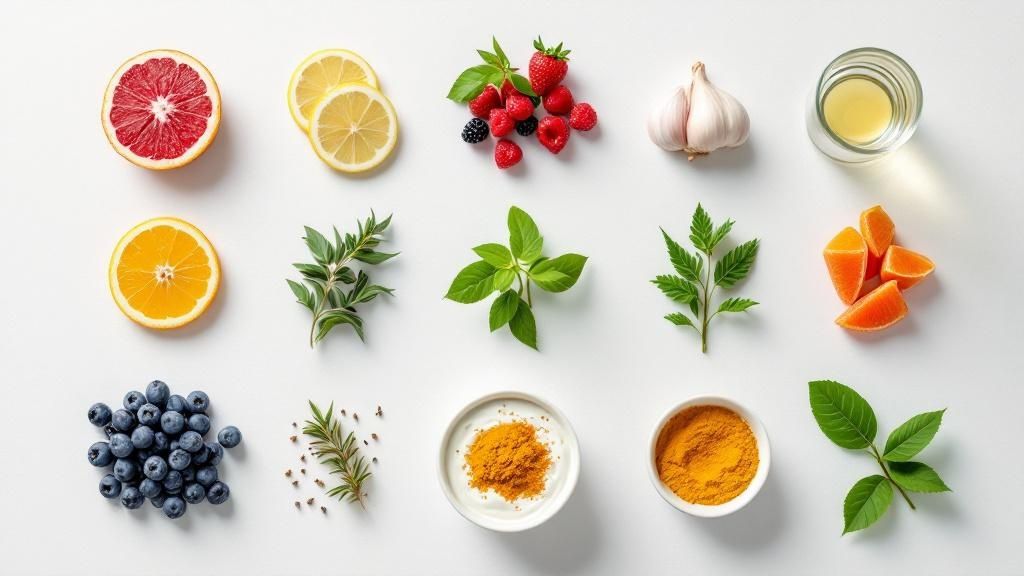
In a world where we're constantly exposed to viruses and bacteria, from the common cold (Rhinovirus) to more significant threats like Influenza A Virus (H1N1), Human Coronavirus, or SARS-CoV-2, a strong immune system is our most valuable asset. While no single action can guarantee perfect health, a holistic approach integrating lifestyle, diet, and stress management can dramatically enhance your body's natural defenses. This comprehensive guide moves beyond generic advice to provide a detailed roadmap of specific, actionable ways to boost your immune system naturally. We will explore nine powerful, science-backed strategies designed to fortify your body's internal defenses.
This article, informed by insights from VirusFAQ.com, details how these methods work synergistically to create a resilient internal environment, better equipped to identify and neutralize pathogens. You will learn not just what to do, but how to implement these changes effectively for lasting results. We will cover everything from the importance of nutrient-dense foods and quality sleep to the roles of targeted supplementation and stress reduction.
Beyond bolstering your internal defenses, remember that maintaining a clean environment is a critical first line of defense. Simple hygiene practices, like using effective disinfecting wipes to clean frequently touched surfaces, significantly reduce your exposure to viruses such as Norovirus and other common pathogens. By minimizing the viral load in your surroundings from viruses like Feline Calicivirus or Rhinovirus Type 14, you give your newly boosted immune system a better fighting chance. This guide will provide the blueprint for building that robust immune foundation.
1. Regular Exercise and Physical Activity
Engaging in regular, moderate physical activity is one of the most powerful and accessible ways to boost your immune system naturally. When you exercise, you are not just strengthening your muscles and heart; you are mobilizing your body's frontline defenders. Physical activity enhances the circulation of immune cells, such as T-cells and natural killer cells, allowing them to patrol your body more effectively and detect pathogens, like viruses, sooner. This circulatory boost also helps flush bacteria from your lungs and airways, reducing your risk of respiratory infections.
Furthermore, consistent exercise is a formidable tool against chronic inflammation, a state linked to a suppressed immune response and numerous health issues. By lowering inflammatory markers, you create an internal environment where your immune system can function optimally without being overtaxed. This is a key reason why an active lifestyle is a cornerstone of long-term health and resilience against pathogens like Influenza A2/305/57 Virus (H2N2).
How to Implement Exercise for Immune Health
The goal is consistency, not extreme intensity. Overtraining can actually stress the body and temporarily weaken immune defenses, a phenomenon sometimes seen in elite athletes. The World Health Organization and Harvard T.H. Chan School of Public Health recommend aiming for at least 150 minutes of moderate-intensity aerobic exercise per week.
Here’s a summary of the key targets for effective immune support through exercise.

These metrics provide a clear, achievable framework for integrating beneficial activity into your weekly routine, significantly lowering your odds of getting sick. Research supports this, showing that regular walkers experience up to 43% fewer sick days than their sedentary counterparts. A balanced approach combining cardiovascular activities like brisk walking with strength training provides the most comprehensive benefits, enhancing both systemic defense and overall physical robustness. Listening to your body is crucial; rest when you feel unwell to allow your immune system to focus its resources on recovery.
2. Quality Sleep and Sleep Hygiene
Adequate, restorative sleep is a non-negotiable cornerstone of a robust immune system. Far from being a passive state, sleep is a critical period of intense immunological activity. While you rest, your body is hard at work producing and releasing key immune proteins called cytokines, some of which are essential for combating infection and inflammation. This nightly process strengthens your innate and adaptive immune responses, helping your body prepare for and fight off pathogens like viruses and bacteria more efficiently. Without sufficient sleep, your body produces fewer of these protective cytokines, as well as fewer infection-fighting antibodies and cells.

Furthermore, sleep is vital for developing "immunological memory." This is the process where your immune system remembers a pathogen after an initial encounter, allowing for a much faster and more effective response upon future exposures. Seminal research from sleep scientists like Dr. Matthew Walker has demonstrated that a single night of poor sleep can significantly impair immune cell function. Studies confirm the consequences: individuals sleeping less than six hours a night are over four times more likely to catch a common cold than those who get more than seven hours. Similarly, healthcare workers with poor sleep patterns have shown diminished antibody responses to vaccines, highlighting sleep's direct role in immune efficacy.
How to Implement Sleep Hygiene for Immune Health
Optimizing your sleep is one of the most effective ways to boost your immune system naturally. The goal is not just quantity but also quality. This involves creating a consistent routine and an environment conducive to deep, uninterrupted rest, a practice known as sleep hygiene. By prioritizing this, you give your immune system the essential downtime it needs to recharge and function at its peak.
Here’s a summary of key targets for better sleep and a stronger immune response:
- Consistent Schedule: Go to bed and wake up at the same time every day, even on weekends, to regulate your body's internal clock.
- Cool, Dark, and Quiet Environment: Optimize your bedroom by keeping the temperature cool, blocking out all light, and minimizing noise.
- Avoid Blue Light: Stop using screens like phones, tablets, and computers at least 60-90 minutes before bedtime, as the blue light can suppress melatonin production.
- Limit Stimulants and Alcohol: Avoid caffeine after 2 PM and limit alcohol in the evening, as both can disrupt deep sleep cycles.
- Create a Relaxing Routine: Develop a wind-down ritual, such as reading a book, taking a warm bath, or practicing light stretching, to signal to your body that it's time to sleep.
By adopting these practices, you can dramatically improve your sleep quality, which directly translates to a more resilient and responsive immune system, better equipped to protect you from common pathogens like Rhinovirus Type 39 or Influenza A Virus (H1N1).
3. Nutrient-Dense Whole Foods Diet
Adopting a diet rich in whole, unprocessed foods is a fundamental strategy for building a robust immune system. The nutrients you consume are the raw materials your body uses to create and power immune cells. A nutrient-dense diet provides the essential vitamins, minerals, antioxidants, and phytonutrients that directly support every aspect of immune function, from cell production to communication and pathogen elimination. Key nutrients like vitamin C, vitamin D, zinc, and selenium act as vital cofactors in countless immune processes, while powerful antioxidants protect your immune cells from oxidative damage caused by fighting off invaders.

This approach moves beyond single-nutrient supplements to embrace food synergy, where the complex interplay of compounds in whole foods offers superior protection. The benefits are well-documented; for instance, research shows that elderly individuals following a Mediterranean diet, rich in whole foods, can experience up to a 30% reduction in infection rates. This dietary pattern provides the building blocks for a resilient defense system, making it one of the most effective ways to boost your immune system naturally. It ensures your body is always well-equipped to handle environmental threats, from common viruses like Human Rotavirus to more serious pathogens.
How to Implement a Nutrient-Dense Diet for Immune Health
The core principle is to prioritize foods in their most natural state while minimizing processed items, refined sugars, and unhealthy fats that can promote inflammation and suppress immunity. Consistency is more important than perfection. A great starting point, advocated by nutrition experts like Dr. Michael Greger, is to focus on adding more color and variety to your plate.
Here are actionable tips to get started:
- Eat the Rainbow: Aim to consume a wide variety of colorful fruits and vegetables daily. Each color signifies different phytonutrients and antioxidants, like lycopene in red foods and anthocyanins in blue/purple foods, which support different aspects of immune defense.
- Include Fermented Foods: Incorporate foods like yogurt (with live cultures), kefir, sauerkraut, and kimchi. These are rich in probiotics that support a healthy gut microbiome, which is intricately linked to your overall immune response.
- Focus on Key Nutrients: Prioritize foods high in zinc (seeds, legumes, lean meats), selenium (Brazil nuts, seafood), vitamin C (citrus fruits, bell peppers), and vitamin D (fatty fish, fortified milk).
- Meal Prep for Success: Prepare meals and snacks in batches to make healthy eating convenient. Having pre-chopped vegetables or cooked whole grains on hand makes it easier to avoid processed convenience foods when you are busy.
4. Stress Management and Relaxation Techniques
Managing chronic stress is a fundamental, yet often overlooked, way to boost your immune system naturally. When you are persistently stressed, your body produces high levels of the hormone cortisol. While cortisol is useful in short bursts, chronically elevated levels suppress the effectiveness of the immune system by lowering the number of pathogen-fighting lymphocytes, leaving you more vulnerable to infections from viruses like Herpes Simplex Virus 1 (HSV-1) or Influenza. By actively managing stress, you help rebalance your hormonal state and allow your immune cells to function without suppression.
This mind-body connection is scientifically validated; reducing stress directly translates to a more robust immune response. Pioneers like Dr. Jon Kabat-Zinn have shown through Mindfulness-Based Stress Reduction (MBSR) that calming the mind has profound physiological benefits. This process helps lower chronic inflammation, a key stress-induced state that compromises immune readiness. A well-regulated nervous system supports a vigilant, efficient immune defense, ready to act against pathogens in your environment.
How to Implement Stress Management for Immune Health
The goal is not to eliminate all stress but to prevent it from becoming chronic and overwhelming. Integrating small, consistent relaxation practices into your daily life can have a significant impact. Studies confirm this link; for example, research on medical students has shown that those who practiced meditation had stronger immune responses to vaccines.
Here’s a summary of actionable techniques for effective immune support through stress management.
- Mindful Breathing: Start with just 5 to 10 minutes of focused, deep breathing each day. This simple practice can lower cortisol levels and activate the parasympathetic nervous system, signaling your body to "rest and digest."
- Guided Meditation: Use popular apps for structured sessions. They provide a low-barrier entry point for beginners to learn mindfulness techniques that calm the nervous system.
- Progressive Muscle Relaxation: Before bed, systematically tense and then release different muscle groups. This technique helps release physical tension tied to mental stress, promoting deeper, more restorative sleep.
- Incorporate Mindfulness: Practice being present during routine activities like washing your hands or cleaning surfaces. Paying close attention to the sensory details of these tasks, like the feel of soap and water, can ground you in the moment and reduce anxious thought patterns, which is especially useful for maintaining a hygienic environment to prevent viral spread.
By making these practices a regular part of your routine, you are not just calming your mind; you are actively fortifying your body’s defenses. Caregivers who have used stress reduction techniques have demonstrated improved immune markers, and corporate wellness programs that include stress management often report a significant reduction in employee sick days. This proactive approach ensures your immune system remains resilient and prepared.
5. Adequate Hydration with Pure Water
Proper hydration is a cornerstone of a resilient immune system, yet it is often overlooked. Water is essential for nearly every bodily function, including the complex processes that govern immune defense. It acts as the primary transport medium, carrying vital oxygen and nutrients to your cells while also helping to flush out waste products, toxins, and potential pathogens. Specifically, hydration is critical for the healthy function of your lymphatic system, a network of tissues and organs that transport lymph, a fluid containing infection-fighting white blood cells, throughout the body.
When you are well-hydrated, your blood and lymph can circulate freely, allowing immune cells to travel efficiently to sites of infection and inflammation. Dehydration can impair this entire process, slowing down the delivery of these critical defenders and hindering the removal of metabolic waste. This can create a sluggish internal environment where your immune system struggles to respond promptly. Maintaining optimal hydration is one of the simplest yet most effective ways to boost your immune system naturally, ensuring your body's surveillance and response mechanisms are primed for action.
How to Implement Hydration for Immune Health
Effective hydration isn't just about drinking water when you feel thirsty; it’s about maintaining a consistent fluid balance throughout the day. Thirst is often a sign that you are already mildly dehydrated. The goal is to drink pure, clean water proactively to support all physiological systems, including your immune response.
Here’s a summary of key targets for maintaining optimal hydration:
- Daily Intake Goal: A common guideline is to drink half your body weight in ounces of water per day. For example, a 150-pound person would aim for 75 ounces.
- Morning Routine: Start your day with a large glass of water (16-20 ounces) to rehydrate after a night's sleep and kickstart your metabolism and cellular function.
- Monitor Your Body: A simple way to gauge hydration is to check your urine color. Pale yellow, like lemonade, typically indicates good hydration, while darker shades suggest you need to drink more water.
- Enhance When Needed: During intense exercise, in hot climates, or when sick, your fluid needs increase. Consider adding electrolytes to help your body absorb and retain water more effectively.
Staying hydrated is particularly important for mucosal immunity in your respiratory tract, which acts as a first line of defense against airborne pathogens like Avian Influenza Virus (H5N1). Keeping these membranes moist helps them trap viruses and bacteria before they can take hold. By ensuring a steady intake of clean, filtered water, you support the fundamental circulatory and cleansing processes that allow your immune system to operate at its peak.
6. Gut Health and Probiotic Support
Cultivating a healthy gut microbiome is one of the most impactful ways to boost your immune system naturally. An astonishing 70% of your immune system resides in your gut, where a vast community of beneficial bacteria works in close partnership with your body’s defenses. These microbes help train your immune cells to distinguish between friend and foe, produce compounds that regulate immune responses, and form a protective barrier that prevents harmful pathogens from entering your bloodstream. Supporting this internal ecosystem is fundamental to building a resilient immune foundation.
A balanced gut microbiome acts as a command center for immunity. When beneficial bacteria flourish, they crowd out harmful microbes and strengthen the gut lining, a critical defense against infection. This symbiotic relationship ensures your immune system can function efficiently without becoming overactive, which helps reduce chronic inflammation. Research from figures like Dr. Emeran Mayer and Dr. Justin Sonnenberg has highlighted this powerful gut-immune axis, showing that a diverse microbiome is directly linked to stronger, more effective immune responses against pathogens like Bovine Viral Diarrhea Virus (BVDV).
How to Implement Gut Health Strategies for Immunity
The goal is to nourish your beneficial gut bacteria with the right foods and lifestyle choices, creating a diverse and thriving microbial community. This involves consistently incorporating both probiotics (live beneficial bacteria) and prebiotics (the fiber that feeds them). A healthy gut not only bolsters your defenses against pathogens but also plays a role in maintaining a clean and hygienic personal environment, as a strong system is less susceptible to germs found on everyday surfaces.
Here are the key targets for supporting gut health and, by extension, your immune system:
- Eat Fermented Foods Daily: Incorporate sources of live probiotics like yogurt (with live cultures), kefir, sauerkraut, kimchi, and kombucha.
- Consume Prebiotic-Rich Foods: Fuel your good bacteria with high-fiber foods such as garlic, onions, bananas, asparagus, oats, and legumes.
- Minimize Gut Disruptors: Reduce your intake of processed foods, artificial sweeteners, and sugar, which can harm beneficial microbes.
- Use Antibiotics Judiciously: Only take antibiotics when medically necessary, as they can disrupt the gut microbiome.
- Consider Probiotic Supplements: A targeted supplement can be beneficial, especially during or after an illness or a course of antibiotics, to help restore balance.
Adopting these habits can yield significant results. Studies show that children who regularly consume probiotics experience up to 42% fewer respiratory infections. Furthermore, elderly individuals with more diverse gut microbiomes demonstrate stronger responses to vaccines, underscoring the link between gut health and systemic immunity. By actively managing your gut flora, you are directly investing in one of the most powerful and natural ways to boost your immune system.
7. Vitamin D Optimization Through Sunlight and Supplementation
Known as the "sunshine vitamin," Vitamin D plays a far more profound role than just supporting bone health; it acts as a critical hormone that directly modulates the immune system. This nutrient is essential for activating your body's T-cells, which are the immune system's frontline soldiers responsible for identifying and destroying invading pathogens. Without sufficient Vitamin D, these key defender cells remain dormant, leaving you more vulnerable to infections. This makes maintaining optimal levels one of the most effective ways to boost your immune system naturally.
Furthermore, Vitamin D helps regulate the immune response, preventing it from becoming overactive, which can lead to chronic inflammation and autoimmune conditions. Research consistently links Vitamin D deficiency to a higher risk of acute respiratory infections. For instance, studies have shown that children with adequate vitamin D levels may experience up to 50% fewer respiratory illnesses, and healthcare workers with optimal levels report fewer sick days. Maintaining clean, disinfected surfaces is a key part of preventing pathogen spread, but a well-armed immune system is your ultimate line of defense against viruses like Human Immunodeficiency Virus Type 1 (HIV-1).
How to Implement Vitamin D Optimization for Immune Health
The goal is to achieve and maintain optimal blood levels of Vitamin D, which can be accomplished through a combination of sensible sun exposure, dietary choices, and strategic supplementation, especially when sunlight is scarce. It is not just about avoiding deficiency but about reaching a level that supports robust immune function.
Here’s a summary of the key methods for effective immune support through Vitamin D.
- Sensible Sun Exposure: Aim for 10-30 minutes of midday sun exposure on your arms and legs several times a week without sunscreen. The amount of time needed varies based on skin tone, location, and season.
- Annual Blood Testing: Ask your doctor for a 25-hydroxy vitamin D test to determine your baseline levels and guide supplementation needs accurately.
- Choose the Right Supplement: If supplementing, opt for Vitamin D3 (cholecalciferol) as it is more effective at raising and maintaining blood levels than D2.
- Take with Fat: Vitamin D is a fat-soluble vitamin, so take your supplement with a meal containing healthy fats like avocado, nuts, or olive oil to enhance absorption.
- Adjust for Seasons: Consider increasing your supplement dose during winter months or if you live in a northern latitude where sun exposure is limited.
This proactive approach ensures your immune cells are primed and ready to respond. Evidence from global health data suggests a correlation between higher national Vitamin D levels and better outcomes in respiratory virus outbreaks, highlighting its powerful, protective role.
8. Cold Exposure and Temperature Contrast Therapy
Controlled exposure to cold temperatures is an invigorating method that can stimulate your immune system through a process known as hormesis. Practices like cold showers, ice baths, or cryotherapy introduce a short, manageable stressor that activates powerful internal defense mechanisms. This hormetic stress triggers an increase in the circulation of immune cells, including white blood cells and lymphocytes, enhancing your body’s ability to patrol for and neutralize pathogens. It essentially trains your immune system to be more resilient and responsive.
Furthermore, this practice can increase the production of norepinephrine, a hormone and neurotransmitter that helps reduce inflammation. By down-regulating pro-inflammatory cytokines, cold exposure helps create a balanced internal environment where immune cells can function efficiently. This is one of the more proactive ways to boost your immune system naturally, strengthening your cellular resilience against external threats and making your body's defenses more robust against viruses like Hepatitis C Virus (HCV).
How to Implement Cold Exposure for Immune Health
The key to unlocking the benefits of cold exposure is gradual adaptation, not shocking your system with extreme temperatures from the start. Consistency is more important than duration or intensity, especially when you are new to the practice. Figures like Wim Hof have popularized specific techniques, but the core principle is simple: controlled, brief exposure.
Here are a few actionable tips to start integrating this powerful practice:
- Start Small: Begin by finishing your regular warm shower with just 30 seconds of cold water. Focus on controlled, steady breathing to manage the initial shock.
- Increase Gradually: Over several weeks, slowly extend the duration of the cold portion of your shower to one, two, or even three minutes as your body adapts.
- Try Contrast Therapy: Alternate between hot and cold water in 1-minute intervals for several cycles. This practice, often used by athletes, vigorously promotes circulation.
- Listen to Your Body: This is crucial. If you feel overly dizzy, unwell, or excessively uncomfortable, stop immediately. The goal is to challenge your body, not endanger it.
Research supports the efficacy of this method. One large study in the Netherlands found that individuals who ended their showers with cold water took 29% fewer sick days from work. By incorporating this practice, you are not just building mental toughness; you are actively fortifying your body’s frontline defenses against illness. Remember to complement this with good hygiene, as a strong immune system works best when paired with preventative measures like cleaning surfaces to reduce exposure to viruses and bacteria.
9. Medicinal Herbs and Adaptogenic Plants
Harnessing the power of medicinal herbs and adaptogenic plants is a time-honored approach to building resilience and one of the most effective ways to boost your immune system naturally. These botanicals contain bioactive compounds that help the body adapt to physical and mental stress, which in turn supports balanced immune function. Instead of simply stimulating or suppressing the immune system, adaptogens work to modulate its response, helping it react appropriately to threats without overreacting. This intelligent modulation reduces unnecessary inflammation and fortifies your body’s defenses against pathogens like Hepatitis B Virus (HBV).
Many of these plants, revered in Traditional Chinese Medicine and other healing systems, are now validated by modern science. For instance, elderberry has been shown in clinical trials to significantly reduce the duration of cold and flu symptoms, while astragalus root is known to enhance the production of key immune cells. By incorporating these natural allies, you provide your body with a sophisticated toolkit to maintain equilibrium and mount a robust defense when needed.
How to Implement Herbs and Adaptogens for Immune Health
Successfully using botanicals for immune support requires a mindful and informed approach. The goal is to choose high-quality, standardized extracts and use them strategically, often cycling them to maintain their effectiveness and prevent your body from becoming desensitized. It's crucial to select the right herb for your specific needs, as each one offers unique benefits.
Here’s a summary of key herbs and best practices for immune support.
- Elderberry (Sambucus nigra): Studies show elderberry extract can shorten the duration of influenza by an average of 2 to 4 days. It is most effective when taken at the very first sign of illness.
- Astragalus (Astragalus membranaceus): This adaptogen is excellent for long-term immune strengthening. Research indicates it may enhance the effectiveness of flu vaccines, particularly in older adults, by boosting antibody responses.
- Reishi Mushroom (Ganoderma lucidum): Known as the "mushroom of immortality," Reishi has been found to improve immune markers, such as lymphocyte activity, in some patients undergoing cancer treatment.
- Echinacea (Echinacea purpurea): Best used for short-term immune stimulation, echinacea may slightly reduce the risk of catching the common cold and can shorten its duration if taken early.
When starting, it is best to use single herbs to see how your body responds before trying complex formulas. A common strategy for adaptogens like astragalus is to cycle them, for example, taking them for three weeks followed by a one-week break. Always consult a healthcare provider or a qualified herbalist before beginning any new supplement, especially if you have an autoimmune condition or are taking other medications. While these herbs strengthen your internal defenses, remember that hygiene is your first line of defense; regularly cleaning surfaces with disinfecting wipes helps prevent pathogen exposure in the first place.
Natural Immune Boosting Methods Comparison
| Method | Implementation Complexity 🔄 | Resource Requirements ⚡ | Expected Outcomes 📊 | Ideal Use Cases 💡 | Key Advantages ⭐ |
|---|---|---|---|---|---|
| Regular Exercise and Physical Activity | Moderate; requires consistency and proper technique | Low-cost; accessible anywhere, but time commitment needed | Improved immune circulation, reduced inflammation, fewer sick days | General health maintenance, stress reduction, infection prevention | Proven long-term immune & cardiovascular benefits |
| Quality Sleep and Sleep Hygiene | Moderate; requires lifestyle adjustments | No cost; environment control needed | Enhanced cytokine production, better vaccine response, tissue repair | Immune support, vaccine efficacy, mental health enhancement | Immediate immune improvements, supports overall wellbeing |
| Nutrient-Dense Whole Foods Diet | Moderate; meal planning and dietary changes | Potentially higher cost, time for meal prep | Strong immune cell function, reduced chronic inflammation | Chronic disease prevention, sustained energy, gut health support | Multiple system support, environmentally sustainable |
| Stress Management and Relaxation Techniques | Moderate; requires consistent practice and skill development | Minimal; often free resources | Reduced cortisol, lowered inflammation, improved immune markers | Mental health, chronic stress-related immune suppression | Immediate calming effect, improves emotional regulation |
| Adequate Hydration with Pure Water | Low; simple habit to maintain | Low cost; quality water source important | Optimized lymphatic circulation and toxin elimination | All populations; basic immune function support | Simple, inexpensive, immediate effects on energy/support |
| Gut Health and Probiotic Support | Moderate; dietary changes and possible supplements | Cost varies; probiotics and prebiotic foods | Enhanced immune resilience, improved digestion, gut-brain benefits | Autoimmune/allergy management, digestive health, microbiome balance | Foundational immune support, mental and physical health link |
| Vitamin D Optimization Through Sunlight and Supplementation | Low to moderate; sun exposure habits and supplementation | Low cost; supplements widely available | Regulated immune cell function, antimicrobial support | Populations with low sun exposure, immune deficiency risk | Easily tested and corrected deficiency, bone health benefits |
| Cold Exposure and Temperature Contrast Therapy | Moderate to high; requires gradual tolerance building | No special equipment; possible access to cold facilities | Increased WBC circulation, stress resilience, mood enhancement | Athletic recovery, metabolic boost, immune activation | Quick energizing benefits, metabolic and mental toughness |
| Medicinal Herbs and Adaptogenic Plants | Moderate; requires knowledge and careful selection | Variable cost; supplements, teas, extracts | Immune modulation, reduced inflammation, stress adaptation | Preventive immune support, during illness, stress management | Traditional use, multiple immune mechanisms, generally safe |
Integrating Immune Support into a Proactive Health Strategy
Navigating the landscape of health and wellness can often feel complex, but the journey toward a resilient immune system is built upon a foundation of consistent, intentional choices. Throughout this article, we’ve explored a comprehensive toolkit of nine powerful, natural strategies. These are not isolated fixes but interconnected pillars that, when combined, create a synergistic effect, fortifying your body’s innate defenses against a wide array of challenges. The path to a stronger immune response is not a sprint; it is a marathon of mindful daily habits.
The true power of these methods lies in their integration. Think of your immune system as a complex orchestra. The vibrant, nutrient-dense foods we discussed are the instruments, providing the essential vitamins and minerals. Quality sleep acts as the conductor, ensuring every section is rested and ready to perform. Regular exercise is the rhythm section, driving energy and circulation, while stress management techniques ensure the entire orchestra plays in harmony, avoiding the discord that chronic stress can create. Each element, from proper hydration to the strategic use of medicinal herbs, plays a crucial role. Mastering these ways to boost immune system naturally is about creating a lifestyle, not just following a temporary plan.
From Knowledge to Action: Your Personalized Immune Protocol
The ultimate goal is to move from understanding these concepts to implementing them in a way that fits your unique life. A proactive health strategy is not about achieving perfection overnight. Instead, it’s about making small, sustainable changes that compound over time.
Consider starting with a self-assessment:
- Identify Your Weakest Link: Which of the nine areas presents the biggest challenge for you? Is it sleep, stress, or nutrition? Focus your initial energy there. A small improvement in your weakest area often yields the most significant overall benefit.
- Create a "One-Thing" Weekly Goal: Instead of trying to overhaul everything at once, pick one actionable goal for the week. This could be "go for a 20-minute walk every day" or "turn off all screens one hour before bed."
- Build a Supportive Environment: Your surroundings play a critical role. If your goal is better nutrition, stock your kitchen with healthy options. If stress is the issue, schedule five-minute meditation breaks into your calendar.
The Critical Link: Internal Strength and External Cleanliness
While building a formidable internal defense system is paramount, it's only one half of a complete protection strategy. A strong immune system is your body’s last line of defense, but your first line of defense is reducing your exposure to pathogens in the first place. This is where external hygiene practices become non-negotiable partners to your internal health efforts.
Every day, we interact with countless surfaces that can harbor viruses, from common pathogens like Rhinovirus and Human Coronavirus to more persistent ones like Norovirus (Norwalk Virus) or Herpes Simplex Virus 2 (HSV-2). Reducing your "viral load," or the amount of virus you come into contact with, gives your immune system a significant advantage.
Key Insight: A fortified immune system works best when it isn't constantly overwhelmed. By minimizing exposure to pathogens through diligent hygiene, you allow your internal defenses to operate more efficiently against the threats that do get through.
This is why integrating a simple, effective cleaning routine is a cornerstone of a truly proactive health plan. Regularly using high-quality disinfecting wipes on high-contact surfaces like your phone, keyboard, doorknobs, and kitchen counters is an easy yet powerful way to break the chain of transmission for many viruses, from small non-enveloped ones to large non-enveloped viruses. This simple habit complements all the internal work you’re doing, creating a comprehensive shield.
As you embark on this journey, remember that strengthening your immune system is one of the most empowering investments you can make in your long-term health and vitality. For those seeking deeper knowledge on specific pathogens like Influenza A (H1N1), Duck Hepatitis B Virus (DHBV), or SARS-Related Coronavirus 2 (SARS-CoV-2), and for scientifically-backed prevention strategies, VirusFAQ.com offers a wealth of detailed resources. Take the insights from this guide, build your personalized protocol, and embrace a future of robust health and resilience.
Leave a Reply