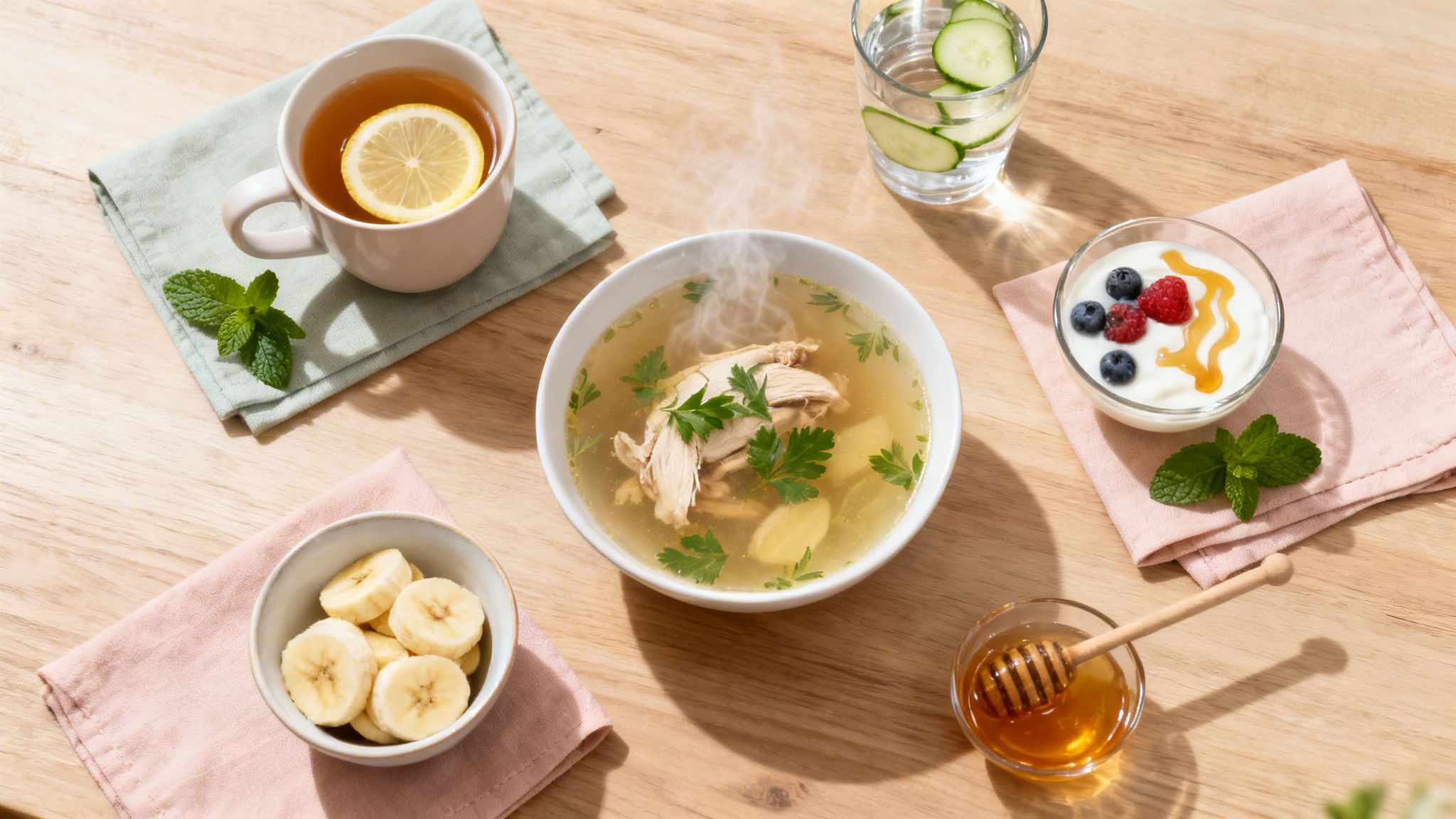
When a virus like Influenza, SARS-CoV-2, or even a common Rhinovirus takes hold, your body launches a complex immune response that requires significant energy and specific nutrients. While you may crave comfort, choosing the right foods can do more than just soothe; it can actively support your recovery. This guide moves beyond old wives' tales to provide an evidence-based look at the best foods to eat when sick, explaining the science behind why they work.
From boosting immune cell function and hydration to reducing inflammation and easing symptoms like nausea or a sore throat, strategic nutrition is a powerful tool. We'll explore how specific compounds in foods like chicken soup, garlic, and citrus fruits interact with your body during a viral illness, helping you make informed choices to feel better faster. Understanding the 'why' behind each food will empower you to build a recovery plan that's both comforting and effective. To further aid recovery, consider beverages that provide immune support; discover some of the best teas for immune system support, including green tea and ginger turmeric blends.
Before we dive into what to eat, it's crucial to remember that preventing the spread of viruses is the first line of defense. Diligent handwashing and using disinfecting wipes on high-touch surfaces are essential practices, as many of the viruses discussed on VirusFAQ.com, such as Norovirus and Influenza, can persist on surfaces. This makes environmental hygiene a critical component of staying healthy and protecting those around you. Now, let's examine the foods that can fortify your body's defenses from the inside out.
1. Chicken Soup (Bone Broth-Based)
It’s no old wives' tale; chicken soup is a genuinely powerful food to eat when sick, especially when prepared with a long-simmered bone broth. This traditional comfort food delivers a potent combination of hydration, easily digestible protein, and vital micronutrients that support your body’s immune response against pathogens like Influenza A Virus (H1N1) or a common Rhinovirus Type 14. Its effectiveness is rooted in its composition, which goes far beyond simple warmth and comfort.
A properly made bone broth, simmered for 12-24 hours, extracts collagen, gelatin, and amino acids from the bones. Gelatin is particularly beneficial for gut health, helping to support the integrity of the intestinal lining. This is crucial during illness, as many viruses, including norovirus and rotavirus, can compromise gut barrier function.
Scientific Insight: The amino acid cysteine, released from chicken during cooking, has been shown in studies to help thin mucus in the lungs, making it easier to expel. This can provide tangible relief from the chest congestion common with respiratory viruses like influenza and various rhinoviruses.
How to Prepare and Use Chicken Soup for Recovery
Maximizing the benefits of chicken soup comes down to preparation and consumption strategy. Opting for a homemade, bone broth-based version is superior to canned varieties, which are often high in sodium and lack the key nutrients extracted through slow simmering.
Practical Tips for Maximum Benefit:
- Boost with Aromatics: Add powerful anti-inflammatory ingredients like garlic, ginger, and turmeric during the last hour of simmering. These compounds can help reduce the systemic inflammation that contributes to aches and pains.
- Portion Control for Nausea: If you're experiencing nausea or vomiting, a common symptom with illnesses like Norovirus (Norwalk Virus), avoid large meals. Instead, sip on 4-6 ounce portions of warm (not hot) broth every hour or two to stay hydrated and get nutrients without overwhelming your digestive system.
- Freeze for Future Use: Prepare a large batch of bone broth when you are well and freeze it in individual portions. This ensures you have immediate access to one of the best foods to eat when sick without having to cook during acute illness.
By focusing on a nutrient-dense, bone broth foundation, chicken soup becomes a medicinal tool. It provides hydration, electrolytes, gut-supportive compounds, and anti-inflammatory agents that actively aid your recovery from viral infections. While your body fights off pathogens, remember that maintaining a clean environment is also key. Keeping surfaces disinfected with effective wipes, especially in the kitchen and bathroom, helps prevent the spread of germs like Rhinovirus and Influenza to others in your household.
2. Garlic
More than just a kitchen staple for adding flavor, garlic is a powerful medicinal food to eat when sick. This pungent allium contains a key sulfur compound called allicin, which is activated when a clove is crushed, chopped, or minced. Allicin is credited with garlic's impressive broad-spectrum antimicrobial properties, making it a valuable ally against common illnesses like those caused by Rhinovirus Type 39 or even Herpes Simplex Virus 1 (HSV-1).

Its use spans centuries and cultures, from traditional Asian medicine protocols for viral illness to Ayurvedic practices that incorporate raw garlic for seasonal immune support. Modern research supports these traditions, showing garlic can enhance the body's defensive systems.
Scientific Insight: Studies suggest that consuming garlic can boost the activity of natural killer (NK) cells, a type of white blood cell that provides a rapid response to viral-infected cells. Clinical trials have indicated that early and consistent garlic consumption may help reduce the duration of colds caused by pathogens like rhinovirus.
How to Prepare and Use Garlic for Recovery
To get the most out of garlic, its preparation is key. The formation of allicin is a time-sensitive chemical reaction, and how you consume it can impact its effectiveness and your digestive comfort. It can be a powerful standalone remedy or added to other healing foods. For instance, beyond just a comforting soup, understanding the versatile uses of chicken broth can help you incorporate this healing liquid alongside garlic into many other nourishing dishes.
Practical Tips for Maximum Benefit:
- Activate the Allicin: Mince or crush fresh garlic cloves and let them sit for 10 minutes before cooking or consuming. This waiting period allows the enzyme alliinase to convert alliin into the potent, immune-supporting allicin.
- Mind the Heat: High heat destroys allicin. For those with sensitive stomachs, lightly cook the minced garlic (under 140°F/60°C) to reduce its pungency while preserving some of its beneficial compounds.
- Daily Dosing: When symptoms of an illness like influenza or a common cold appear, aim to consume 2-3 cloves per day. For general prevention during cold and flu season, one clove daily may be sufficient.
- Mask the Taste: If the raw taste is too strong, mix minced garlic with a spoonful of honey. This not only makes it more palatable but adds the antimicrobial benefits of honey.
Garlic’s ability to act as a natural antimicrobial agent makes it one of the best foods to eat when sick. As you support your immune system internally, remember the importance of external hygiene. Disinfecting high-touch surfaces in your home helps contain viruses like Norovirus and Influenza, preventing their spread and protecting others. You can explore more information on the efficacy of the best natural antivirals to supplement your recovery strategy.
3. Ginger Root
Ginger root is a time-tested remedy for illness-related symptoms, particularly nausea and inflammation. This pungent rhizome contains powerful bioactive compounds, primarily gingerols and shogaols, which give it its medicinal properties. As one of the best foods to eat when sick, it directly targets the digestive upset and systemic inflammation that often accompany viral infections like Norovirus (Norwalk Virus) or the Human Rotavirus.

Its antiemetic (anti-nausea) effects are well-documented, making it an essential tool for managing the symptoms of gastrointestinal viruses. The active compounds in ginger work on the digestive tract and central nervous system to reduce the feeling of queasiness. Beyond settling your stomach, ginger also helps inhibit the production of pro-inflammatory cytokines, which can lessen the body aches and pains associated with respiratory viruses.
Scientific Insight: Clinical studies have demonstrated that ginger can be as effective as some anti-nausea medications, such as metoclopramide, for managing nausea. Its compounds, gingerols, are thought to influence serotonin receptors in the gut, which play a key role in the sensation of nausea.
How to Prepare and Use Ginger Root for Recovery
To get the most from ginger, it's crucial to use it fresh and prepare it correctly. Dried ginger powder has different properties and is less effective for acute nausea. Fresh ginger provides the highest concentration of gingerols, the primary active component for combating sickness symptoms.
Practical Tips for Maximum Benefit:
- Make a Potent Tea: For maximum gingerol content, grate 1-2 teaspoons of fresh ginger root and steep it in hot (not boiling) water for 5-10 minutes. Consume it within 3 hours of preparation to ensure the active compounds remain potent.
- Add Complementary Ingredients: Enhance the tea’s palatability and benefits by adding a squeeze of lemon for Vitamin C and a teaspoon of honey to soothe a sore throat.
- Manage Digestive Sensitivity: If you have a sensitive stomach or are prone to heartburn, consume ginger tea with a small, bland snack like a cracker. This can help prevent any potential irritation.
- Freeze for Convenience: Fresh ginger root can be stored in the freezer for several months without losing its potency. This allows you to have it on hand immediately when you start to feel unwell, without a trip to the store.
By incorporating fresh ginger into your sick-day routine, you can actively manage nausea and reduce inflammation, helping your body feel more comfortable as it recovers. While your body's immune system does the heavy lifting against pathogens like Rhinovirus and Influenza, it’s vital to maintain a clean recovery space. Disinfecting high-touch surfaces, such as doorknobs and faucet handles, with a quality wipe is a critical step in preventing the transmission of germs to others.
4. Citrus Fruits (Lemons, Oranges, Grapefruit)
Reaching for an orange or a glass of lemonade when feeling unwell is a classic remedy, and for good reason. Citrus fruits are nutritional powerhouses packed with vitamin C, flavonoids, and water, making them one of the best foods to eat when sick. While they may not be a magic bullet to prevent a cold, their compounds play a direct role in supporting your immune system against pathogens like the Human Coronavirus and can help reduce the severity and duration of your illness.
The primary benefit comes from vitamin C, a potent antioxidant that supports various immune cell functions. It enhances the activity of neutrophils, a type of white blood cell that engulfs pathogens like rhinoviruses and influenza viruses. Citrus fruits also contain flavonoids like hesperidin, which has demonstrated anti-inflammatory and antioxidant properties, helping to mitigate the cellular stress that accompanies an infection.
Scientific Insight: Research has shown that while routine vitamin C supplementation may not prevent the common cold in the general population, taking it at the onset of symptoms can shorten the duration of the illness. Doses of 200mg or more per day appear to be most effective in reducing symptom length, highlighting the value of consuming vitamin C-rich foods during an acute infection.
How to Prepare and Use Citrus Fruits for Recovery
To get the most out of citrus fruits, how you consume them matters. Whole fruits are generally superior to juice because they provide dietary fiber, which supports gut health, and contain higher concentrations of beneficial flavonoids found in the pulp and pith.
Practical Tips for Maximum Benefit:
- Eat the Whole Fruit: Choose whole oranges, grapefruits, or tangerines over juice. This ensures you get the fiber and the full spectrum of flavonoids. Don't be afraid to eat some of the white pith, as it is particularly rich in hesperidin.
- Warm Lemon Water: For a sore throat or general hydration, squeeze the juice of half a lemon into a mug of warm (not boiling) water. The warmth is soothing, the lemon provides vitamin C, and the fluid helps you stay hydrated.
- Protect Your Teeth: The acid in citrus can be harsh on tooth enamel. Consume citrus fruits with meals or rinse your mouth with plain water afterward to help neutralize the acid.
By incorporating whole citrus fruits into your diet during an illness, you provide your body with the antioxidants and hydration it needs to mount an effective defense. As your body works to overcome pathogens, it's also wise to maintain a clean environment. Regularly disinfecting high-touch surfaces with reliable wipes can prevent the transmission of germs like Norovirus and Rhinovirus to others, containing the illness within your home.
5. Honey
Far more than a simple sweetener, honey is a complex substance with well-documented medicinal properties, making it an excellent food to eat when sick. Its effectiveness, particularly for soothing sore throats and suppressing coughs caused by viruses like Influenza A Virus (H1N1) or SARS-CoV-2, is supported by both traditional use and modern clinical evidence. The therapeutic power of honey comes from a unique combination of antimicrobial and anti-inflammatory compounds that can provide significant relief during respiratory illnesses.
The antimicrobial action of honey is due to several factors working in concert. It naturally produces hydrogen peroxide, has a low water activity level, and exhibits high osmolarity, creating an environment inhospitable to bacteria and other microbes. Specific types, like Manuka honey, contain high concentrations of methylglyoxal (MGO), a compound responsible for even stronger antimicrobial effects.

Scientific Insight: A Cochrane meta-analysis found that honey was superior to both placebos and some over-the-counter medications for cough suppression in children. This research supports the World Health Organization's (WHO) recommendation to use honey as a first-line treatment for coughs associated with viral upper respiratory infections.
How to Prepare and Use Honey for Recovery
To get the most benefit from honey, it’s important to use it correctly. Raw, unprocessed honey is generally preferred over pasteurized versions, as heating can destroy some of its beneficial enzymes and compounds.
Practical Tips for Maximum Benefit:
- Direct Dosing for Coughs: For an effective cough suppressant, take 1-2 teaspoons of raw honey straight. Allow it to coat your throat slowly. This method is particularly useful before bedtime to reduce nighttime coughing.
- Create a Soothing Drink: Stir a spoonful of honey into warm (not hot) water with a squeeze of fresh lemon and a slice of ginger. This creates a synergistic tonic that soothes throat irritation, provides hydration, and delivers anti-inflammatory benefits.
- Preserve a Clean Space: While you're recovering from respiratory viruses like influenza or rhinovirus, remember that these pathogens spread through droplets. Regularly cleaning and disinfecting high-touch surfaces like doorknobs, light switches, and countertops with effective wipes can help prevent transmission to others in your home.
- Important Safety Note: Never give honey to infants under 12 months of age due to the risk of infant botulism, a rare but serious condition.
By using high-quality honey, you can tap into a natural and effective remedy for some of the most common symptoms of sickness. It coats and soothes an irritated throat, actively suppresses cough reflexes, and offers a gentle source of energy when your appetite is low, solidifying its place as one of the best foods to eat when sick.
6. Leafy Green Vegetables (Spinach, Kale, Swiss Chard)
While a large, raw salad might be the last thing you crave when ill, lightly cooked leafy green vegetables are one of the best foods to eat when sick. Powerhouses like spinach, kale, and Swiss chard are packed with vitamins A, C, and K, as well as folate and iron. These nutrients play a direct role in reinforcing your immune system, particularly in bolstering the mucosal barriers of your respiratory and digestive tracts against pathogens like the Avian Influenza Virus (H5N1).
These vegetables are especially rich in plant compounds called carotenoids, which your body converts into vitamin A. This vitamin is essential for producing and maturing immune cells. It also helps maintain the integrity of mucosal surfaces in your lungs and gut, making it harder for pathogens like rhinovirus or influenza to take hold. Cooking these greens slightly breaks down their tough cellular walls, making these valuable nutrients easier for your weakened system to absorb.
Scientific Insight: Folate, a B-vitamin abundant in leafy greens, is critical for the rapid production of immune cells like T cells and B cells. Research has demonstrated that a folate deficiency can impair the T cell response, weakening the body's ability to effectively fight off viral infections and clear pathogens from the system.
How to Prepare and Use Leafy Greens for Recovery
To get the most from leafy greens during an illness, preparation is key. Raw preparations can be difficult to digest and may even cause bloating, so gentle cooking methods are preferred. This also improves the bioavailability of key fat-soluble vitamins.
Practical Tips for Maximum Benefit:
- Steam or Sauté: Lightly steam or sauté a large handful of spinach or chopped kale until just wilted. This method makes the greens much easier to chew and digest than a raw salad, which is important when dealing with fatigue and low appetite.
- Pair with Healthy Fats: Drizzle your cooked greens with a small amount of olive oil or add a few slices of avocado. Vitamins A and K are fat-soluble, meaning they require fat for proper absorption. This simple step ensures you're getting the full immune-supporting benefit.
- Blend into Soups and Broths: If you have a sore throat, nausea, or significant fatigue, blend wilted greens directly into your chicken soup or bone broth. This is an excellent way to get a concentrated dose of nutrients without the effort of chewing.
By incorporating easily digestible leafy greens, you provide your body with the fundamental building blocks needed for a robust immune defense. While you focus on nutritional support, remember that viruses like Norovirus can spread easily. Diligently disinfecting kitchen counters and utensils with a high-quality wipe after preparing food is a crucial step to prevent transmitting the illness to others.
7. Probiotic-Rich Foods (Yogurt, Kefir, Sauerkraut, Kimchi)
Consuming foods rich in beneficial bacteria is a powerful strategy for supporting your body during an illness. Probiotic-rich foods like yogurt, kefir, and fermented vegetables deliver live microorganisms, such as Lactobacillus and Bifidobacterium species, that help maintain a healthy gut environment. This is especially important when you're sick, as your digestive system houses a significant portion of your immune system, known as the gut-associated lymphoid tissue (GALT), which is a key player in defending against viruses like Human Rotavirus or Norovirus.
A healthy gut microbiome helps regulate your immune response and supports the integrity of your intestinal barrier. This can be compromised by various pathogens, including gastrointestinal viruses like norovirus and rotavirus. By reinforcing this barrier, probiotics can help reduce the severity and duration of certain illnesses.
Scientific Insight: Specific probiotic strains have demonstrated direct benefits against viral infections. For instance, clinical trials have shown that Lactobacillus rhamnosus GG can reduce the duration of respiratory infections. Furthermore, certain Bifidobacterium strains have been found to boost the production of interferon-alpha, a key protein that helps the body fight off viral invaders.
How to Prepare and Use Probiotic Foods for Recovery
Integrating these foods effectively into your sick-day diet involves choosing the right products and consuming them strategically. The goal is to introduce beneficial bacteria without upsetting a sensitive stomach, making these some of the best foods to eat when sick for both gut and immune support.
Practical Tips for Maximum Benefit:
- Choose Wisely: Select plain, unsweetened yogurt or kefir labeled with "live and active cultures" to ensure you're getting a potent dose of beneficial bacteria without added sugars, which can promote inflammation.
- Gradual Introduction: If your system is sensitive or you are new to fermented foods, start with small amounts, like a few spoonfuls of yogurt or a small serving of sauerkraut, to minimize any temporary gas or bloating.
- Boost with Fiber: For added benefit, pair your probiotic source with prebiotic fiber from foods like bananas or oats. Prebiotics act as food for the good bacteria, helping them thrive in your gut.
- Timing Matters: Aim to consume 4-8 ounces of yogurt or kefir daily during an illness and for a couple of weeks after to help restore your gut flora, especially if you've had gastrointestinal symptoms. For a deeper dive, you can learn more about the best probiotics for immune health.
By bolstering your gut microbiome, you are directly supporting your body's defense mechanisms. Remember, pathogens like Rhinovirus can spread easily. While you focus on recovery foods, ensure you also maintain a clean environment by frequently disinfecting high-touch surfaces with effective wipes to prevent transmission.
8. Zinc-Rich Foods (Pumpkin Seeds, Oysters, Beef, Chickpeas)
Consuming foods rich in zinc is a powerful strategy for supporting your immune system during an illness. Zinc is an essential mineral that plays a central role in immune function, particularly in the development and activation of key immune cells like T cells and natural killer cells. Ensuring adequate intake when you're sick can help your body mount a more effective defense against pathogens like Influenza A2/305/57 Virus (H2N2) or a common Rhinovirus.
The effectiveness of zinc is tied to its bioavailability, which is how well your body can absorb and use it. Animal sources like oysters, beef, and poultry offer highly bioavailable zinc because they lack the phytates found in plant foods, which can inhibit absorption. Oysters are particularly noteworthy, containing more zinc per serving than any other food, making them one of the best foods to eat when sick if you can tolerate them.
Scientific Insight: Clinical trials have demonstrated that using zinc lozenges (specifically zinc acetate) within 24 hours of the first symptoms can reduce the duration of the common cold. This mineral appears to directly interfere with the replication of rhinoviruses in the nasal passages and throat, shortening the time you feel unwell.
How to prepare and Use Zinc-Rich Foods for Recovery
Strategically incorporating zinc-rich foods into your diet during illness can make a tangible difference. The goal is to meet your body's increased demand for this mineral without resorting to excessive supplementation, which can have adverse effects.
Practical Tips for Maximum Benefit:
- Choose Bioavailable Sources: Prioritize animal-based sources like lean beef, dark meat poultry, or oysters if your appetite allows. Just a few cooked oysters can meet your daily zinc requirement.
- Enhance Plant-Based Zinc: If you're relying on plant sources like chickpeas, lentils, or pumpkin seeds, pair them with foods high in vitamin C (like bell peppers or citrus) to improve zinc absorption. A simple chickpea salad with lemon-tahini dressing is an excellent choice.
- Time Your Intake: If you are taking iron or calcium supplements, space them at least two hours apart from your zinc-rich meal. These minerals can compete for absorption in the gut, reducing the benefits of each.
Focusing on whole-food zinc sources provides a balanced way to support your immune system. While your body works to fight off an infection, it's also important to manage your environment to prevent further spread. Regularly cleaning high-touch surfaces in your home with a disinfecting wipe, especially after coughing or sneezing, helps contain viruses like Rhinovirus and Influenza, protecting others in your household.
Top 8 Sick-Day Foods Comparison
| Item | Preparation Complexity 🔄 | Resource / Cost ⚡ | Expected Outcomes 📊⭐ | Ideal Use Cases 💡 | Key Advantages ⭐ |
|---|---|---|---|---|---|
| Chicken Soup (Bone Broth-Based) | Moderate — long simmer for full extraction (12–24h). 🔄 | Low ingredient cost but time‑intensive. ⚡ | Hydration, protein, mild anti‑inflammatory/gut support; modest clinical evidence. 📊⭐⭐ | Respiratory recovery, sore throat, poor appetite. 💡 | Multi-pathway support (hydration, amino acids, anti‑inflammatory). ⭐ |
| Garlic | Low — quick to mince or add to dishes (raw for max effect). 🔄 | Very inexpensive and widely available. ⚡ | Antimicrobial and immune‑stimulating (allicin); variable effect size. 📊⭐⭐ | Early infection support; culinary incorporation for prevention/therapy. 💡 | Potent allicin‑driven antiviral effects; versatile use. ⭐ |
| Ginger Root | Low — grate or steep fresh root; short prep. 🔄 | Low cost; fresh preferred (shorter shelf life). ⚡ | Strong antiemetic and anti‑inflammatory effects; good clinical support for nausea. 📊⭐⭐⭐ | Nausea, digestive symptoms, systemic inflammation during illness. 💡 | Clinically effective anti‑nausea and anti‑inflammatory properties. ⭐ |
| Citrus Fruits (Lemons, Oranges, Grapefruit) | Very low — eat whole or squeeze; minimal prep. 🔄 | Low cost, widely available year‑round. ⚡ | Provides vitamin C and flavonoids; modestly reduces symptom duration. 📊⭐⭐ | Boosting vitamin C intake, hydration, mild respiratory support. 💡 | Whole‑food vitamin C + flavonoid matrix improves bioavailability. ⭐ |
| Honey | Very low — ready to use; avoid heating >60°C. 🔄 | Low–moderate (Manuka higher cost). ⚡ | Effective cough suppression and throat soothing; strong symptomatic evidence. 📊⭐⭐⭐ | Cough and sore throat relief (safe >12 months). 💡 | Clinically effective cough relief and antimicrobial activity. ⭐ |
| Leafy Green Vegetables (Spinach, Kale, Swiss Chard) | Low — best lightly cooked/steamed to increase bioavailability. 🔄 | Low cost, widely available; pair with fat for absorption. ⚡ | Broad micronutrient support for immune cells and mucosal immunity. 📊⭐⭐ | Recovery nutrition, low appetite, micronutrient replenishment. 💡 | Dense nutrient profile (vitamins A, C, K, folate) supporting immune function. ⭐ |
| Probiotic‑Rich Foods (Yogurt, Kefir, Sauerkraut, Kimchi) | Low — consume ready or introduce gradually to avoid gas. 🔄 | Low–moderate; choose live‑culture, low‑sugar products. ⚡ | Supports gut barrier and immune regulation; strain‑dependent evidence. 📊⭐⭐ | GI symptoms, post‑infection microbiome support, preventing secondary complications. 💡 | Enhances gut‑immune axis and mucosal defenses. ⭐ |
| Zinc‑Rich Foods (Pumpkin Seeds, Oysters, Beef, Chickpeas) | Very low — include in meals; timing/pairing affects absorption. 🔄 | Low–moderate; animal sources more bioavailable (may cost more). ⚡ | Reduces cold duration/severity when adequate; well‑supported for antiviral immunity. 📊⭐⭐⭐ | Early viral illness, individuals at risk of deficiency. 💡 | Direct biochemical role in T cell/NK function and interferon production. ⭐ |
Beyond the Plate: Integrating Nutrition with Smart Hygiene
Navigating an illness requires a strategic, multifaceted approach, and as we've explored, your kitchen pantry is a powerful place to start. Choosing the best foods to eat when sick is not just about comfort; it's about providing your body with the specific ammunition it needs to fight back. From the electrolyte-rich steam of chicken soup to the immune-supporting Vitamin C in citrus fruits and the microbial balance offered by probiotic-rich yogurt, each food on our list serves a distinct purpose in your recovery.
The core takeaway is that food is functional. Ginger actively soothes nausea, garlic provides potent antimicrobial compounds, and honey can coat a sore throat while offering antibacterial benefits. This isn't folklore; it's the practical application of nutritional science. By understanding why these foods work, you can move beyond a generic "eat healthy" mindset and build a targeted nutritional defense tailored to your symptoms, whether you're battling an Influenza A virus, Norovirus, or even Hepatitis B Virus (HBV).
From Recovery to Reinforcement: A Holistic View
True resilience against illness involves looking beyond your own plate and considering your immediate environment. While you focus on fueling your internal defenses, it's equally important to address the external threats. Many common viruses, including highly contagious non-enveloped pathogens like Norovirus and certain strains of Rhinovirus, can persist on surfaces for hours or even days.
This is where your nutritional strategy must be paired with diligent hygiene. An otherwise perfect recovery plan can be undermined if you or other household members are repeatedly exposed to viral particles lingering on common touchpoints. Purchasing high-quality disinfecting wipes is an investment in this critical layer of defense.
Key Insight: A comprehensive wellness strategy during illness combines internal support (nutrient-dense foods) with external defense (environmental disinfection). One without the other leaves a significant gap in your protective shield.
Actionable Steps for a Fortified Environment
Integrating this two-pronged defense is straightforward. As you sip your ginger tea or prepare a bowl of soup, make a conscious effort to break the chain of transmission in your home. This is not just about preventing others from getting sick; it's also about preventing your own reinfection or the prolonging of your illness.
- Identify High-Touch Zones: Think about the journey of germs. Doorknobs, light switches, refrigerator handles, remote controls, and your smartphone are primary culprits.
- Establish a Simple Cleaning Routine: Use effective disinfecting wipes on these high-touch surfaces at least once a day while someone in the household is ill. This simple act drastically reduces the viral load in your environment.
- Practice Hand Hygiene: Complement surface cleaning with frequent hand washing, especially before preparing or eating the very foods meant to help you recover.
This combination of eating the best foods to eat when sick and maintaining a clean environment creates a powerful synergy. You are simultaneously strengthening your body's ability to fight the infection from within while actively removing the enemy from your surroundings.
As you recover, remember that the knowledge you've gained is your greatest asset. By understanding the role of specific foods like garlic, honey, and zinc-rich pumpkin seeds, and by appreciating the critical link between diet and hygiene, you are better equipped to handle future illnesses. You can support your body with confidence, shorten your downtime, and protect those around you. This proactive and informed approach is the foundation of lasting health and well-being. For deeper insights into how specific viruses like Influenza A or Human Coronavirus spread and how to prevent them, continue exploring the expert resources here at VirusFAQ.com.
Leave a Reply