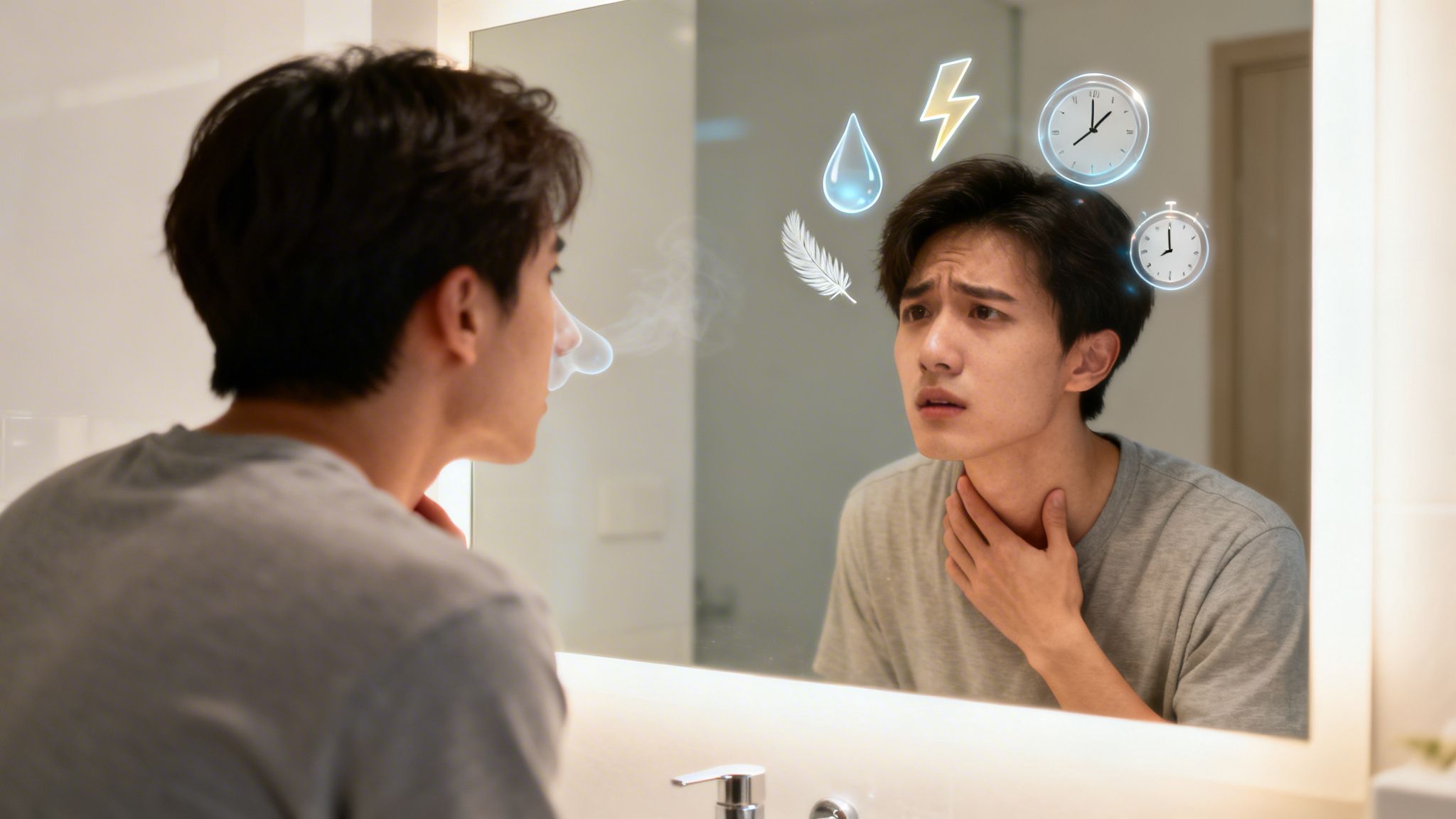
Ever feel a little 'off' but can't quite put your finger on it? That subtle dip in energy or a scratchy throat you dismiss might be your body's initial alert system. Recognizing the earliest signs you are getting sick is a powerful skill. It allows you to take proactive steps to support your immune system, minimize symptoms, and, most importantly, prevent spreading viruses to others. Many viral infections, from the common cold caused by Rhinoviruses to more significant threats like Influenza or SARS-CoV-2, begin with non-specific, easy-to-miss signals.
This detailed guide, informed by scientific insights from VirusFAQ.com, breaks down these critical early warnings. We will explore why these symptoms occur, how to differentiate them from other causes like bacterial infections or allergies, and what immediate actions you can take. Understanding these first whispers of illness is the essential first step toward better health management and creating a safer, cleaner environment for yourself and those around you. Let's decode your body's early warning system so you can respond quickly and effectively.
1. Fatigue and Weakness
Unexplained, profound fatigue is one of the most common early signs you are getting sick. This isn't your typical end-of-day tiredness; it's a deep-seated weariness that doesn't improve much with rest. This occurs because your immune system is activating, diverting a significant amount of your body's energy to produce immune cells and signaling molecules called cytokines.
These cytokines directly affect your brain and muscles, leading to the sensation of exhaustion and physical weakness. This biological process is a crucial defense mechanism, but it leaves you feeling drained before more obvious symptoms like a fever or cough appear. For instance, many people with Influenza A Virus (H1N1) or SARS-CoV-2 report debilitating fatigue one to three days before other symptoms manifest. Similarly, Herpesviruses like Epstein-Barr virus (EBV), the cause of mononucleosis, are notorious for causing prolonged, overwhelming exhaustion.
How to Monitor and Respond
- Track Your Energy: Keep a simple symptom diary. Rate your energy level from 1 to 10 each morning and evening. A sudden, sharp drop is a key indicator.
- Assess the Cause: Note if your fatigue is disproportionate to your recent physical or mental activity. If you feel exhausted after a full night's sleep and a restful day, your body may be fighting an infection.
- Watch for Other Signs: Pay close attention to any other mild symptoms that appear within 48 hours, such as a scratchy throat, headache, or muscle aches. This can help differentiate a viral onset from other causes.
- When to Act: If the fatigue is severe or persists for more than a few days without a clear explanation, it's wise to consult a healthcare provider. This is also a good time to increase hygiene practices, like using disinfecting wipes on high-touch surfaces to prevent potential spread.
2. Elevated Body Temperature or Low-Grade Fever
A rising body temperature is one of the most classic signs you are getting sick and a clear signal that your immune system is engaged. When a virus enters your body, it triggers the release of substances called pyrogens. These molecules travel to your brain's hypothalamus, which acts as the body's thermostat, and instruct it to raise your core temperature. This creates an environment that is less hospitable for viral replication and enhances the efficiency of your immune cells.

This response often starts subtly. While many associate sickness with high fevers, early-stage viral infections frequently cause only a low-grade fever (99.5–101°F / 37.5–38.3°C), which can be easy to miss without checking. For example, SARS-CoV-2 often presents with a mild temperature increase in the first few days, whereas Influenza A virus may spike higher more quickly. Some viruses, like Rhinovirus Type 14 (a common cold), might cause little to no fever at all, making temperature an important but not singular sign.
How to Monitor and Respond
- Establish a Baseline: Know your personal "normal" temperature by taking it when you feel well. A reading that is 1°F (0.6°C) or more above your baseline is a significant indicator.
- Measure Consistently: Take your temperature in the morning and evening to track its pattern. Use an accurate digital oral or temporal thermometer for reliable results. Avoid measuring right after drinking hot or cold liquids.
- Look at the Trend: A single reading is less informative than the overall trend. A steady increase over several hours or a day is a strong signal your body is mounting a defense.
- When to Act: If you notice a consistent rise in temperature, it’s a good time to rest, hydrate, and increase hygiene measures. Using disinfecting wipes on phones, doorknobs, and remote controls can help prevent spreading the virus to others. Understanding when a fever becomes a concern is also important, and you can learn more about when to worry about a fever here.
3. Sore Throat or Throat Discomfort
A sore or scratchy throat is often one of the first recognizable signs you are getting sick, acting as a prevalent early indicator for many respiratory viral infections. This discomfort arises as viruses, such as Rhinovirus Type 39 or Human Coronavirus, begin to replicate in the mucosal tissues of your pharynx (the back of your throat). This viral activity triggers an inflammatory response, causing the characteristic irritation, redness, and pain.

The specific sensation can vary, ranging from a mild scratchiness that barely registers to severe pain that makes swallowing difficult. For example, some enterovirus infections can present with a sore throat similar to strep, while SARS-CoV-2 often features a sore throat one or two days before cough and other respiratory symptoms develop. In some cases, like with certain rhinoviruses, throat irritation might be the only major symptom.
How to Monitor and Respond
- Rate the Pain: Use a simple 1-to-10 scale to track the intensity of your sore throat throughout the day. A rapid increase in pain suggests a developing infection.
- Note Associated Symptoms: Observe when other symptoms appear, such as fever, cough, or headache. A sore throat followed by a runny nose and sneezing often points to a common cold, whereas a sore throat with a high fever could indicate something more significant like influenza or adenovirus.
- Provide Symptomatic Relief: Gargling with warm salt water can offer temporary relief. Also, try to avoid irritants like smoke, very hot drinks, and excessive talking, which can worsen the inflammation.
- When to Act: While a sore throat is a common sign of illness, sometimes other factors contribute. If you frequently find yourself wondering why you wake up with a sore throat, exploring other causes can be helpful. However, if the pain is severe, accompanied by difficulty breathing, or persists, seek medical advice. As a precaution, consider using disinfecting wipes on phones and doorknobs to help prevent the spread of germs.
4. Headache and Body Aches
A throbbing headache and diffuse body aches are classic early signs you are getting sick, often appearing before any respiratory symptoms. This widespread pain, known as myalgia, is a direct result of your body's inflammatory response. When your immune system detects a virus, it releases signaling proteins called cytokines that activate pain receptors throughout your body, causing muscles and joints to ache. This systemic response is why you feel sore all over, not just in one specific area.
This type of pain is a hallmark of many viral infections. For instance, Influenza often begins with a severe headache and intense body aches before a fever fully develops. Similarly, SARS-CoV-2 can cause significant muscle pain in 20-30% of people within the first two days of infection. Some viruses, like Dengue, are even nicknamed "breakbone fever" for the extreme pain they induce. Distinguishing this generalized achiness from localized pain can be a key clue; you can explore the differences in viral versus bacterial presentations to learn more.
How to Monitor and Respond
- Document Pain Details: Use a symptom chart to note the location and intensity of your headache and body aches on a 1-10 scale. Consistency in monitoring helps track progression.
- Note the Onset: Record when the aches began in relation to other symptoms like fever or a sore throat. Viral aches often precede other signs.
- Identify the Pattern: Observe if the pain is generalized (affecting multiple muscle groups) or localized to a specific joint or area. Widespread aching is more typical of a systemic viral illness.
- When to Act: If the aches are severe, worsen significantly, or are accompanied by a high fever or stiff neck, contact a healthcare provider. In the meantime, focus on rest and hydration. To help prevent transmission to others in your household, consider using disinfecting wipes on shared items like doorknobs and remote controls.
5. Nasal Congestion or Runny Nose
Nasal symptoms like congestion or a runny nose (rhinorrhea) are classic signs you are getting sick with an upper respiratory infection. This reaction occurs when viruses infect the epithelial cells lining your nasal passages. Your immune system responds by triggering an inflammatory cascade, which increases mucus production and causes the sensitive tissues in your nose to swell, leading to that familiar stuffed-up or dripping sensation.
This is a direct result of your body working to trap and expel the invading pathogen. While rhinoviruses are the most frequent cause of the common cold's characteristic runny nose, other viruses like Human Coronavirus, Influenza A virus, and parainfluenza also present with these symptoms. For example, a coronavirus infection can range from minimal to severe nasal congestion, while rhinovirus typically causes a runny nose that can last from two to fourteen days.
How to Monitor and Respond
- Track Mucus Changes: Observe the color and consistency of your nasal discharge. It often starts clear and watery before thickening and turning yellow or green. This is a normal progression of the immune response, not a definite sign of a bacterial infection.
- Note the Timeline: Compare the onset of nasal symptoms to others, like a sore throat or fatigue. A rapid, coordinated onset points to a viral cause, whereas allergy symptoms often persist for weeks or months in response to an allergen.
- Consider a Saline Rinse: Using a sterile saline nasal spray or rinse can help clear mucus, soothe inflamed tissues, and allow you to better observe the discharge. This simple action can provide significant relief from congestion.
- When to Act: If nasal symptoms are severe, accompanied by high fever or facial pain, or persist beyond 10-14 days, consult a healthcare provider to rule out a secondary bacterial infection. During this time, using disinfecting wipes on phones, doorknobs, and faucets can help reduce the spread of viral particles to others in your household.
6. Cough (Dry or Productive)
A newly developed cough is one of the more telling signs you are getting sick, acting as a clear signal of respiratory tract irritation. When a virus infects the cells lining your airways, your body triggers inflammation and the cough reflex to try and expel the invader. The nature of the cough often provides clues; it may start as a persistent, dry hack before progressing to a productive cough that brings up mucus as the infection develops.
This symptom is a primary feature of many common viral illnesses. For instance, SARS-CoV-2 is known for causing a persistent dry cough in 50-70% of cases, while Influenza A often brings on a hacking cough. Respiratory Syncytial Virus (RSV) can cause a deeper lower respiratory cough, particularly in adults. The progression and type of cough are important details; you can explore common virus symptoms to understand these distinctions better.
How to Monitor and Respond
- Note the Character: Distinguish if your cough is dry (no phlegm) or productive (brings up phlegm). If productive, track the sputum's color and consistency.
- Track Frequency: Pay attention to how often you are coughing and what triggers it, such as talking, laughing, or lying down.
- Stay Hydrated: Drinking plenty of fluids helps thin mucus, making a productive cough more effective at clearing your airways and soothing a dry, irritated throat.
- When to Act: Use cough suppressants cautiously, as a productive cough is a necessary mechanism for clearing infection. If your cough is severe, produces blood, is accompanied by shortness of breath, or worsens rapidly, seek medical evaluation. At home, using disinfecting wipes on phones, remotes, and doorknobs can help prevent the spread of respiratory droplets.
7. Loss of Appetite and Nausea
Anorexia (loss of appetite) and nausea are common early signs you are getting sick, often appearing alongside fatigue. These symptoms result from your immune system's release of cytokines, which impact the appetite control centers in your brain and can disrupt normal gastrointestinal function. This is your body's way of conserving energy to fight the infection, but it often leaves you feeling queasy and uninterested in food.
Many viruses trigger these GI symptoms even if they aren't primarily respiratory. For instance, in about 30-40% of SARS-CoV-2 cases, a loss of appetite is one of the first symptoms. Influenza also commonly features anorexia, while viruses like Norovirus (Norwalk Virus) and Hepatitis B Virus (HBV) are well-known for causing significant nausea and appetite loss early in the infection cycle. This response is a strong indicator that a systemic immune battle has begun.
How to Monitor and Respond
- Track Intake: Note your food and fluid consumption. A sudden inability to eat a normal-sized meal is a significant clue that something is amiss.
- Assess the Cause: If your lack of appetite or nausea isn't linked to something you ate, it's more likely a systemic sign of an impending illness.
- Opt for Light Nutrition: Instead of full meals, consume nutrient-dense broths, smoothies, or electrolyte beverages. Avoid heavy, fatty, or spicy foods that can worsen nausea.
- When to Act: If you can't keep any fluids down or the symptoms persist for more than 48 hours, contact a healthcare provider. During this time, it's critical to step up hygiene, using disinfecting wipes on kitchen counters and bathroom fixtures to prevent passing the potential pathogen to others.
8. Chills and Night Sweats
Chills that alternate with sudden drenching sweats are classic signs you are getting sick, signaling a systemic immune response. This happens when your immune system releases substances called pyrogens that tell your brain's thermostat, the hypothalamus, to raise your body's temperature set point. You feel cold and shiver (chills) as your body works to generate heat to meet this new, higher temperature.
Once the fever "breaks" or your body fights off the pyrogens temporarily, the set point lowers. Your body then perceives itself as too hot and works to cool down, resulting in profuse sweating. These dramatic cycles of chills and sweats are especially pronounced with Influenza A virus. Other viruses, like SARS-CoV-2, Measles, and Hepatitis B Virus (HBV), also frequently cause these temperature regulation issues during the early stages of infection.
How to Monitor and Respond
- Layer Your Clothing: Wear lightweight layers that you can easily add or remove as your body temperature fluctuates between feeling chilled and overheated.
- Manage Your Bedding: Use moisture-wicking sheets and have extra blankets and a spare set of dry sheets readily available to change if you experience night sweats.
- Stay Hydrated: Sweating causes significant fluid loss. Drink plenty of water, broth, or electrolyte solutions to prevent dehydration.
- When to Act: If chills and sweats accompany a high fever or persist for more than 48 hours, it is time to contact a healthcare provider. During this period, be diligent with hygiene, such as using disinfecting wipes on your phone, remote controls, and doorknobs to help prevent the spread of germs.
9. Sneezing and Watery Eyes
A sudden onset of sneezing and watery, irritated eyes are prominent early signs you are getting sick, especially with viruses that target the upper respiratory tract. When a virus infects the mucous membranes in your nose and eyes, it triggers localized inflammation and a release of histamine. This chemical response causes the characteristic sneezing and ocular symptoms as your body attempts to physically expel the invading pathogens.
This reaction is not just a symptom; it’s a key viral transmission mechanism. For example, Rhinovirus Type 14, a primary cause of the common cold, is well-known for inducing intense sneezing that disperses virus-laden droplets. Other viruses, like certain strains of Human Coronavirus and Measles, can present with conjunctivitis (pink eye) as an early sign. These symptoms signal that your immune system is actively engaged in a fight on the mucosal front lines.
How to Monitor and Respond
- Track Symptom Frequency: Note how often you are sneezing. A consistent increase in frequency, especially when not tied to a known allergen, is a strong indicator of a developing viral illness.
- Assess Eye Symptoms: Pay attention to the specifics of your eye irritation. Is it watery discharge, itchiness, redness, or pain? Viral conjunctivitis typically causes watery discharge, whereas bacterial versions often produce thicker, colored discharge.
- Cover and Clean: Always cover your sneezes with an elbow or tissue and immediately wash your hands. This is also a critical time to sanitize high-touch surfaces like your phone, doorknobs, and keyboards with disinfecting wipes to prevent spreading the virus.
- Differentiate from Allergies: Viral symptoms tend to build over a day or two and may be accompanied by other signs like fatigue or a sore throat. Allergy symptoms often appear suddenly upon exposure to an allergen (like pollen or dust) and may subside when you remove yourself from that environment.
10. Difficulty Concentrating and Mental Fog
Cognitive changes, often called 'brain fog,' are an underrecognized early sign you are getting sick. This isn't just a moment of distraction; it's a noticeable decline in mental clarity, memory, and your ability to focus. This neurological response happens when inflammatory cytokines, released by your immune system to fight a pathogen, cross into the central nervous system and disrupt normal brain function. Your body is also redirecting energy to its immune defense, leaving less for cognitive tasks.
This mental fogginess can appear before more classic physical symptoms. For example, many people with SARS-CoV-2 report difficulty concentrating one to two days before a fever or cough starts. Patients with Influenza A virus may note memory issues and reduced alertness during the initial phase of infection, while Herpesviruses like Epstein-Barr virus (EBV), which causes mononucleosis, are well-known for producing significant and lasting brain fog. Recognizing this cognitive shift is a key part of identifying an oncoming illness.
How to Monitor and Respond
- Document Cognitive Changes: In a symptom journal, note any instances of unusual forgetfulness, confusion, or difficulty focusing. Rate your mental clarity on a scale of 1 to 10.
- Compare to Your Baseline: Assess if your cognitive function is worse than your personal norm. If you're struggling with tasks that are usually easy, it's a meaningful sign.
- Reduce Cognitive Load: When you notice these changes, postpone complex or demanding mental tasks. Avoid activities that require sharp focus, such as driving or operating machinery, to ensure safety.
- When to Act: If mental fog is accompanied by other early signs you are getting sick, or if you experience severe confusion, it's time to consult a healthcare provider. Proactively cleaning high-touch areas with disinfecting wipes can also help reduce the risk of spreading the potential virus to others in your household.
12. Brain Fog and Difficulty Concentrating
Suddenly finding it difficult to focus, feeling unusually forgetful, or experiencing a general sense of mental "fogginess" are subtle but significant signs you are getting sick. This cognitive disruption, often called "brain fog," is a direct result of your immune system's inflammatory response. When your body detects a pathogen, it releases cytokines, the same signaling molecules that cause fatigue and muscle aches. These cytokines can cross the blood-brain barrier and interfere with normal neurotransmitter function, affecting memory, concentration, and mental clarity.

This symptom is not just a feeling; it's a measurable neurological effect of your body's fight against an invader. For instance, people in the early stages of infections like SARS-CoV-2 or mononucleosis (caused by Epstein-Barr Virus) frequently report brain fog as one of their first and most disorienting symptoms, even before respiratory issues begin. It can feel like your brain is running at half-speed, making routine tasks feel challenging.
How to Monitor and Respond
- Note Cognitive Changes: Be aware if you are making unusual mistakes at work, struggling to find words, or finding it hard to follow a conversation. Are simple decisions feeling overwhelming?
- Connect to Other Feelings: This mental slowness often accompanies the deep-seated fatigue mentioned earlier. If you feel both physically drained and mentally dull without a clear reason, an illness is likely brewing.
- Simplify Your Tasks: If you notice brain fog setting in, postpone complex decisions and demanding mental tasks. Give your mind a break, as this is your body's way of telling you to conserve all available resources.
- When to Act: If the brain fog is severe, worsens rapidly, or is accompanied by other neurological symptoms like dizziness or a severe headache, it's important to contact a healthcare professional. Now is also a prime time to use disinfecting wipes on your keyboard, mouse, and phone to help prevent spreading germs as you power down.
12 Early Signs of Illness Comparison
| Symptom | 🔄 Implementation complexity | ⚡ Resource requirements | ⭐ Diagnostic value | 📊 Expected outcomes/impact | 💡 Ideal use cases / Quick tips |
|---|---|---|---|---|---|
| Fatigue and Weakness | Low — subjective self-report | Minimal — symptom diary | ⭐⭐ — early but nonspecific | Early alert; often inconclusive alone | Track energy, note disproportion to activity; seek care if >3–5 days |
| Elevated Body Temperature or Low-Grade Fever | Low–Moderate — requires consistent checks | Thermometer; routine readings | ⭐⭐⭐⭐ — objective early sign | Reliable trigger for testing/treatment decisions | Establish baseline, monitor trends, avoid masking with antipyretics |
| Sore Throat or Throat Discomfort | Low — self-detected; exam may help | Visual exam; throat swab if severe | ⭐⭐⭐ — common in URIs but not definitive | Identifies upper respiratory involvement; prompts testing | Rate pain, avoid irritants, gargle salt water; test if severe |
| Headache and Body Aches | Low — self-reported | Symptom chart; analgesics for relief | ⭐⭐⭐ — distinctive for systemic infection | Early indicator of systemic inflammation | Document location/intensity; rest and hydrate |
| Nasal Congestion or Runny Nose | Low — obvious symptom | None to saline rinses | ⭐⭐⭐ — common in URIs; allergy differential | Signals transmissibility; suggests mild/early illness | Track mucus color, use saline, distinguish from allergies |
| Cough (Dry or Productive) | Moderate — character and progression matter | Pulse oximeter if severe; sputum observation | ⭐⭐⭐⭐ — specific for respiratory involvement | Indicates airway involvement; guides management | Note dry vs productive, sputum color; monitor O2 if dyspnea |
| Loss of Appetite and Nausea | Low — self-reported | Food/fluid logs; hydration tools | ⭐⭐ — systemic but nonspecific | Reflects immune activation; risk of dehydration | Small frequent meals, hydrate, seek care if vomiting or weight loss |
| Chills and Night Sweats | Low–Moderate — episodic pattern | Thermometer; bedding management | ⭐⭐⭐ — distinctive fever pattern | Signals active immune response; may indicate severity | Layer clothing, use moisture-wicking bedding, monitor temperature swings |
| Sneezing and Watery Eyes | Low — obvious early signs | Tissues; saline eye drops | ⭐⭐⭐ — very early but allergy overlap | Marks high transmission window for URIs | Cover sneezes, sanitize surfaces, differentiate from allergies |
| Difficulty Concentrating and Mental Fog | Moderate — subjective, needs baseline | Symptom journal; simple cognitive checks | ⭐⭐ — early but nonspecific | Reduces daily function; suggests systemic/CNS involvement | Reduce cognitive load, document changes, avoid safety-sensitive tasks |
From Awareness to Action: Protecting Yourself and Your Community
Recognizing the subtle shifts in your body is the first, most critical step in managing your health proactively. The collection of symptoms we’ve detailed, from the initial wave of fatigue and a tickle in your throat to the more pronounced body aches and fever, serves as your personal early-warning system. These are not just minor annoyances; they are clear biological signals that your immune system has begun its fight against an invading pathogen. Mastering the ability to identify these signs you are getting sick moves you from a reactive state to one of proactive control.
This awareness equips you to make immediate, impactful decisions. When you notice these early signs, you gain a crucial window of opportunity to protect not only yourself but also those around you.
Turning Knowledge into Practical Defense
The value of early detection lies in the actions you take next. Here are the most effective steps to implement as soon as you suspect an illness is developing:
- Prioritize Rest and Hydration: This is non-negotiable. Your immune system requires significant energy and resources to mount an effective defense. Pushing through fatigue or ignoring the need for fluids can prolong your illness and increase its severity.
- Isolate and Monitor: Begin limiting contact with others, especially vulnerable individuals. Keep a simple log of your symptoms, noting their progression. This information will be invaluable if you need to consult a healthcare provider.
- Focus on Environmental Hygiene: Viruses are masters of transmission, and your immediate environment is a primary battleground. Pathogens like Influenza A, Norovirus (Norwalk Virus), and SARS-CoV-2 can survive for hours or even days on common surfaces. Regularly cleaning high-touch points is a fundamental public health measure.
Key Insight: The most dangerous phase of many viral illnesses is the pre-symptomatic or early symptomatic period when you are highly contagious but may not feel "sick enough" to stay home. This is precisely when disciplined hygiene practices are most effective.
Creating a Safer Home Environment
A core part of this environmental strategy involves targeted disinfection. Think about the journey of your hands throughout the day: from doorknobs and light switches to your phone and keyboard. Using disinfecting wipes specifically formulated to kill viruses on these surfaces breaks the chain of transmission within your household. This simple, science-backed action directly reduces the viral load in your immediate surroundings, offering a layer of protection for family members and preventing your home from becoming a hub of infection.
Furthermore, it's wise to consider other environmental factors that can affect your respiratory health. Poor indoor air quality can exacerbate symptoms or even mimic allergic reactions. Understanding potential health problems from dirty air ducts can provide a more complete picture of your home's health ecosystem.
By translating the knowledge of these early signs you are getting sick into concrete actions like rest, isolation, and diligent surface cleaning, you transform a personal health challenge into an act of community care. You are not just recovering faster; you are actively participating in the collective effort to keep everyone safer.
Leave a Reply