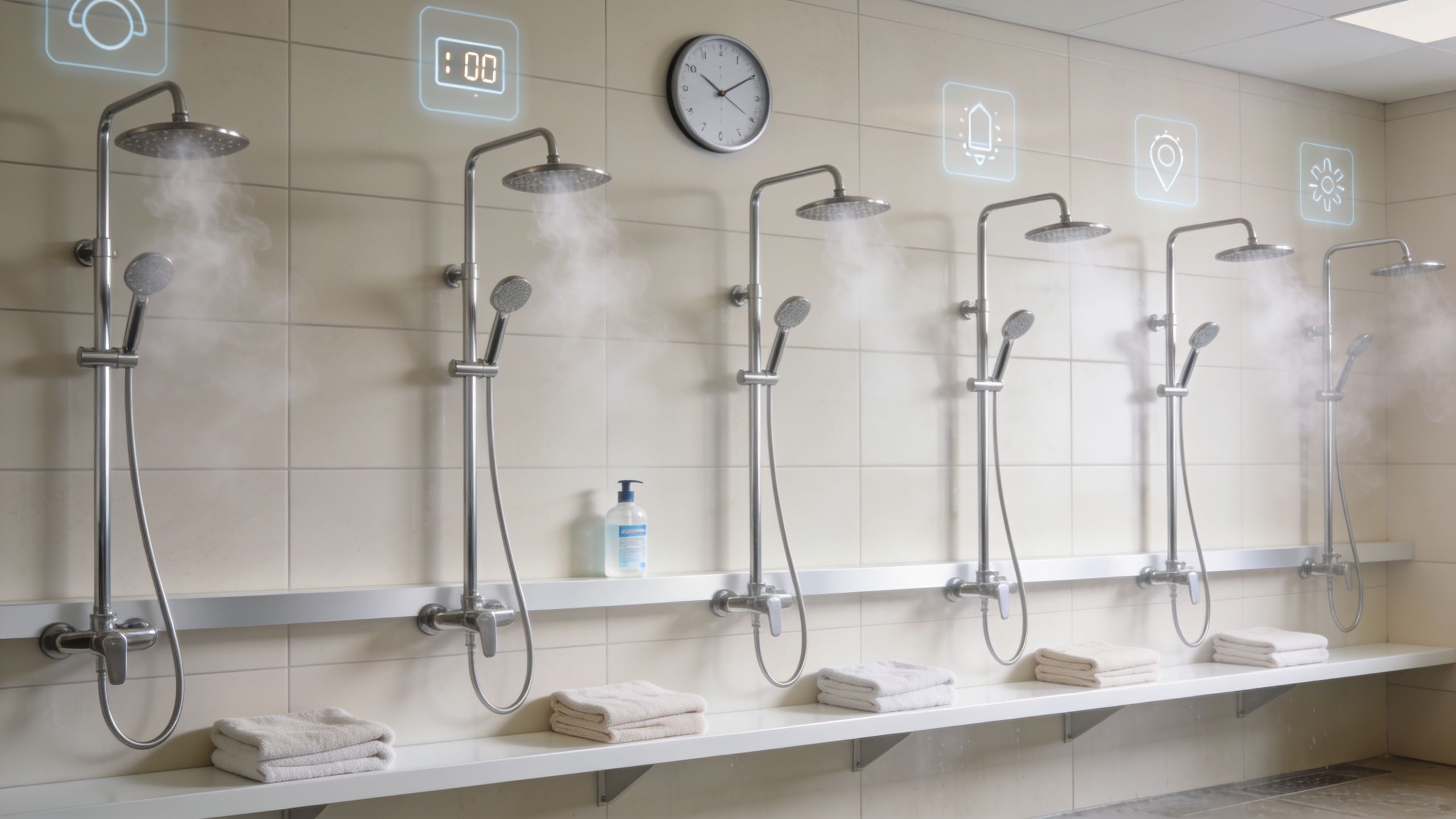
You finish a workout, grab your bag, and head into the locker room. The hard part seems over. Then the shared shower area comes into view, and a simple rinse starts to feel like a public health decision. Clear planet fitness shower rules help you clean up without creating discomfort for other members or bringing home germs from a wet, high-touch space.
A gym shower is not risky in the same way as a hospital exam room, but it still concentrates the ingredients that help microbes move from person to person. Moisture keeps surfaces damp. Bare feet contact the floor directly. Hands touch locker handles, benches, faucets, and stall doors in quick succession. If one person cuts corners, the next person inherits that risk. That is why shower etiquette is also hygiene practice.
This matters in any large fitness chain, because the same patterns repeat across many clubs even when the layout changes. The details may vary by location, but the core habits stay the same. Respect privacy. Bring what you need. Treat shared surfaces with caution. Protect your feet and your hands.
A useful way to read these rules is to ask one question with each one: what problem does this prevent? Some rules reduce conflict. Others lower the chance of spreading viruses such as influenza and SARS-CoV-2, or stomach bugs such as norovirus after contaminated hand contact. Several also help prevent common locker room issues like athlete's foot and skin irritation.
The sections below explain both the official and unofficial expectations, then connect them to the reason they matter. That gives you more than a list of dos and don'ts. It gives you a practical system for staying clean, avoiding preventable exposure, and using the shower area without making life harder for the next person.
1. Rule 1 Adhere to Privacy and Device Restrictions

You step into the locker room after a workout, towel over your shoulder, and notice someone holding a phone near the showers. Even if that person is only changing a song, the effect on everyone else is the same. People tense up, rush, and stop treating the space like a place where they can safely undress and clean up.
That is why privacy rules come first.
Planet Fitness addresses member conduct and club expectations through its Planet Fitness customer service policies. In practical terms, keep cameras, recording, and casual phone use out of locker room and shower areas. A shared shower only works when people know they are not being watched, photographed, or accidentally captured in the background.
There is a public health reason for that, not just a courtesy reason. When people feel exposed, they hurry through basic hygiene, skip handwashing at the sink, avoid cleaning up after themselves, or carry items from bench to locker to stall without much thought. In a damp, high-touch room, rushed behavior raises the odds of contamination moving from hands to handles, phones, faucets, and door latches. Privacy supports cleaner behavior.
Phones add another problem. They travel from cardio machines to weight benches to bathroom counters and then close to the face. A phone works like a portable touch surface that collects whatever your hands picked up along the way. If you want a useful comparison, treat it like you would a personal toiletry bottle in a hotel bathroom. The cleaner choice is keeping your own items controlled and away from shared splash zones, which is the same logic behind these hotel room toiletries and contamination concerns.
Use a simple rule. If you are near showers, changing areas, or lockers where people may be undressed, put the phone away.
A few habits make that easier:
- Store your phone before you undress: Put it in your locker, not on a bench or sink ledge.
- Do not use the camera at all: Even a quick mirror check can make other members assume they are in frame.
- Keep conversations private and brief: Speakerphone and video calls do not belong in locker rooms.
- Ask staff if a club-specific rule is unclear: Some locations post extra guidance for locker rooms, spa areas, or age-related access.
The safest standard is simple. Protect other people's privacy, reduce unnecessary device contact, and keep one more high-touch object out of a wet space where germs spread easily.
2. Rule 2 Bring Your Own Towel and Toiletries

A lot of first-time members assume the locker room will work like a hotel. In most cases, it won't. Planet Fitness advises members to come prepared, and that's one of the most useful planet fitness shower rules because it reduces stress and cuts down on sharing.
You can confirm the basics through the Planet Fitness club amenities page, which notes locker rooms and showers at clubs and helps set expectations for what to bring. From a hygiene standpoint, your own towel, soap, shampoo, and shower shoes are better than depending on communal items or last-minute borrowing.
Why your own supplies are healthier
Shared personal-care items can transfer skin microbes from one user to the next. That doesn't mean every bottle or dispenser is dangerous, but in a damp locker room, fewer shared touchpoints is usually the safer choice.
If you're used to travel-sized products, the same logic applies in gyms as it does on the road. This guide to hotel room toiletries and contamination concerns explains why personal supplies are often the cleaner option.
Bring a towel you know is clean, soap you know you tolerate, and footwear that never leaves your shower kit.
That approach also helps you move faster. You won't be wandering around barefoot, looking for a free counter, or asking another member if they have extra shampoo.
A simple shower kit should include:
- Clean towel: Use one towel for drying your body and, if possible, a separate small one for setting items down.
- Personal soap and shampoo: Avoid borrowing products.
- Shower shoes: Flip-flops create a barrier between your feet and wet flooring.
- Plastic bag or pouch: Keep wet items separate from clean clothes.
Prepared members usually have the safest routine. They touch less, share less, and leave faster.
3. Rule 3 Practice Proactive Hygiene and Cleanliness

You finish a workout, step into the locker room, turn on the faucet, set your bag on the counter, and grab the stall handle. In less than a minute, your hands may have contacted several shared surfaces before you even start showering. That is why shower hygiene is not just about soap and water on your body. It is also about what your hands touch before and after.
Planet Fitness reinforces courteous, hygiene-minded behavior in its guide to gym etiquette. In a wet, high-traffic room, that courtesy has a public health purpose. It lowers the chance that one person's germs move to the next person's hands, face, clothes, or phone.
A locker room works like a chain. One contaminated handle can reach a faucet, then a bench, then a locker door, then your clean shirt. Viruses such as norovirus, influenza, and SARS-CoV-2 spread in different ways, but shared hands and shared surfaces can play a role in real transmission. The goal is not fear. The goal is to interrupt the chain early.
Use a consistent routine every time:
- Keep clean and dirty items separate: Don't place your fresh clothes, towel, or toiletries on wet counters or benches.
- Create a barrier: Put a clean towel or washable pouch under your toiletry bag if you need to use a communal surface.
- Rinse away your trace: Remove hair, soap residue, and excess water so the next person does not step into your mess.
- Wash your hands at the end, not just the beginning: After dressing and packing up, use a proper hand washing method before leaving the locker room.
- Avoid touching your face while getting ready: Eyes, nose, and mouth are easy entry points for germs picked up from handles and counters.
That last step trips people up. Many gym-goers feel clean after the shower and assume their hands are clean too. But if you touch the locker, bench, hair dryer button, or exit handle after drying off, you have added new exposure.
Public health advice in shared wash spaces is simple because simple routines work. Touch less. Separate clean from dirty. Wash hands right before you leave.
Earlier reporting in this article noted claims from a secondary gym etiquette source about fungi and wart-related contamination on shower surfaces. Even without repeating those figures here, the practical lesson stays the same. Wet floors and high-touch fixtures should be treated as potentially contaminated, especially if you have cuts, athlete's foot, or a weakened skin barrier.
Cleanliness in the gym shower is a prevention habit. It protects your skin, reduces the spread of stomach and respiratory viruses by contact, and makes the space safer for the next person.
4. Rule 4 Keep Belongings Secured and Out of the Way

You finish your shower, step toward the bench, and find a trail of bags, shoes, and damp towels across the walkway. That is not just annoying. In a shared locker room, clutter raises the chance of slips, mix-ups, and surface contamination.
Planet Fitness reinforces basic shared-space behavior in its gym etiquette tips for members. Keep your items contained, leave walkways clear, and use the space in a way that does not block other members.
Belongings act like transfer points. A gym bag placed on a wet floor can pick up moisture and microbes, then carry them into your car, home, or bedroom. The same goes for towels dropped on benches and shoes left in high-traffic paths. In public health terms, this is fomite spread. Germs move from surface to object to hand, often without anyone noticing.
That is why floors are poor storage.
A better routine is simple. Put loose items straight into your locker. Keep only the few things you are actively using within reach. If you need to set down a toiletry bag, place it on a hook, shelf, or clean barrier instead of the floor. The same surface logic applies in other shared wash areas, as explained in this guide to cleaning the restroom more safely.
Footwear deserves special attention here. Shared wet areas can expose skin to fungi that cause athlete's foot, and locker room floors are a common risk setting described in dermatology and public health guidance. Shower shoes or flip-flops work like a barrier for the skin on your feet. Wear them from the locker area to the shower and back until you are dry and dressed.
A few habits keep the area safer for everyone:
- Use the locker fully: Store clothes, bags, and extra toiletries inside instead of spreading them across a bench.
- Keep shoes controlled: Wear them, line them up neatly by your locker, or put them away. Do not leave them in the walkway.
- Hang wet items if possible: Towels and washcloths left in a heap stay damp longer and can touch shared surfaces.
- Take calls outside the locker room: Phones create distraction, slow traffic, and increase the chance that personal items end up scattered around you.
If the bottom of your bag touches the locker room floor, treat it as dirty until you wipe it down at home. That one small habit helps stop a very ordinary chain of contamination.
5. Rule 5 Set Realistic Expectations for Amenities

You finish a workout, head into the locker room, and realize the shower area is simpler than you expected. That is normal at Planet Fitness. The setup is usually practical rather than spa-like, and that matters for both convenience and hygiene in a shared space.
For a general outside perspective, see the BarBend Planet Fitness review. It gives useful context for the brand's no-frills approach without assuming every location has the same layout or extras.
A simpler locker room can reduce exposure points. Fewer shared counters, grooming tools, and lounge-style surfaces means fewer places where viruses and fungi can linger after repeated hand contact or moisture exposure. In public health terms, that lowers the number of opportunities for indirect spread through contaminated surfaces.
That does not mean the space is automatically clean.
Treat benches, locker handles, faucet knobs, and shower controls as high-touch surfaces. Norovirus can spread from tiny amounts of contamination. Influenza and SARS-CoV-2 spread mainly through the air, but hands still carry respiratory droplets to the nose, mouth, and eyes. The same surface-cleaning logic applies in other shared wash areas, as explained in this guide to cleaning the restroom more safely.
A good rule is simple. Judge the shower area by whether you can use it without unnecessary contact, dry off without setting items on wet surfaces, and leave without carrying moisture or germs back to your locker.
Set expectations for membership details, too. Planet Fitness clubs generally include locker rooms and showers, but amenity access can vary by location and membership type. For current details on what your plan includes, check the official Planet Fitness website and your membership agreement instead of relying on reviews or videos that may be outdated.
That small habit prevents a lot of frustration. Verify the basics before you go. Bring what the club may not supply, expect a functional setup, and build a shower routine that works in the actual environment you have in front of you.
6. Rule 6 Respect the Private Stall System

You finish a workout, head into the locker room, and find a row of shower stalls that looks a little different from the photos you saw online. That is normal. Planet Fitness locations can vary by building size, renovation history, and local layout, so the shower setup at one club may not match another.
A helpful third-party overview is Dr Workout's guide to Planet Fitness showers and lockers. It is not an official policy page, but it gives first-time members a practical preview of what they may find.
Privacy is common, but layout still varies
The safest assumption is simple. Use the stall you are given as a personal boundary, not as extra locker-room space. Curtains, doors, partitions, and entry areas all serve the same purpose. They reduce exposure, limit stray spray, and make it easier for each person to clean up without crowding.
That privacy boundary also matters for hygiene.
In a shared shower area, water does not stay politely in one place. It carries skin cells, dirt, and microbes onto nearby floors and handles. Norovirus can spread through tiny amounts of contamination on surfaces. Influenza and SARS-CoV-2 spread mainly through the air, but close spacing in warm, humid rooms can still increase exposure to respiratory droplets, especially during busy times. A private stall system works like lanes in a pool. It helps keep each person's activity contained.
Your part is practical:
- Stay inside your stall footprint: Keep clothing, shoes, bottles, and towels out of the common walkway.
- Close the curtain or door fully if the stall has one: This gives you privacy and helps keep water from splashing into shared floor space.
- Avoid direct contact with neighboring areas: Do not hang items over shared dividers or set toiletries where another person needs to reach.
- Leave the stall ready for the next member: Take all belongings, rinse away visible residue, and report drain or curtain problems to staff.
Some gyms use tighter layouts than others, especially in older buildings or smaller club spaces. That does not change the rule. Respect visual and physical boundaries, keep your shower routine contained, and avoid turning a private stall into a shared mess.
A good public health habit is to treat the stall as the cleanest zone available, even though it is not sterile. Wear shower shoes, keep cuts covered, avoid placing razors or toothbrushes on wet ledges, and dry your hands before touching your phone, locker key, or clean clothes. That one routine helps reduce the chance that moisture and germs follow you out of the shower area.
7. Rule 7 Be Mindful of Time and Water Usage

You finish a workout, step into the locker room, and find a small line forming near the showers. In that moment, shower etiquette is not just about manners. It is also about crowding, humidity, and how long people share the same high-touch space.
There may not be a posted time limit at every club, but the practical rule is simple. Keep your shower routine short, focused, and respectful of other members who may be waiting.
For a quick consumer summary, see WellFit Insider's overview of Planet Fitness showers and towels. It is not an official policy document, but it reflects the day-to-day experience many members report.
Fast showers are better for everyone
A gym shower works like a shared sink bank during a busy break at work. The longer one person lingers, the more people stack up behind them. Shorter showers reduce bottlenecks, lower locker-room crowding, and help the space stay calmer during peak hours.
There is a hygiene benefit too.
Warm, wet air helps moisture stay on floors, fixtures, and other surfaces longer. That does not mean every long shower creates a health hazard, but extra time in a humid stall can increase contact with damp surfaces where germs are harder to ignore. In shared environments, less lingering usually means fewer chances to touch contaminated handles, curtains, benches, and lockers on the way in and out.
This public health point matters because gym locker rooms bring together sweat, bare skin, wet floors, and repeated hand contact. Respiratory viruses such as influenza and SARS-CoV-2 spread mainly through the air, while stomach viruses such as norovirus can spread through contaminated hands and surfaces. A shorter, more efficient routine cuts down your exposure window in a room where many people are touching the same entry points.
If privacy is a priority, timing matters almost as much as stall design. Midday or other quieter periods often feel less rushed than the after-work surge. Ask staff when the locker room is typically busiest if you want a calmer shower window.
A good routine is straightforward:
- Rinse off and wash without turning the stall into a long cooldown spot.
- Save shaving, grooming, and long hair care for home if others are waiting.
- Turn the water off as soon as you are done.
- Dry off and move to a less crowded area before getting dressed or checking your phone.
Use the shower for showering. That one habit helps the next person, reduces congestion, and limits the amount of time you spend in a humid, high-touch setting.
7-Point Planet Fitness Shower Rules Comparison
| Rule | Implementation Complexity 🔄 | Resource Requirements ⚡ | Expected Outcomes 📊 | Ideal Use Cases 💡 | Key Advantages ⭐ |
|---|---|---|---|---|---|
| Rule 1: Adhere to Privacy and Device Restrictions | Low 🔄, clear corporate policy, straightforward compliance | Minimal ⚡, signage & staff enforcement | High 📊, protects member privacy and trust | Member onboarding, enforcement situations | Authoritative policy consolidation ⭐ |
| Rule 2: Bring Your Own Towel and Toiletries | Very low 🔄, individual responsibility | Low ⚡, personal items required, no club provisioning | Moderate 📊, reduces cross-contamination risk | First visits, post-workout routines | Simple, practical hygiene benefit ⭐ |
| Rule 3: Practice Proactive Hygiene and Cleanliness | Low–Medium 🔄, habit change + reminders | Low ⚡, disinfectant wipes, signage, member supplies | High 📊, lowers pathogen transmission in shared areas | Peak hours, shared vanity/shower use | Reinforces community norms and protection ⭐ |
| Rule 4: Keep Belongings Secured and Out of the Way | Low 🔄, basic etiquette, easy to adopt | Low ⚡, lockers and clear signage | Moderate 📊, reduces contamination and clutter | Busy locker rooms, high-traffic times | Tidy environment; limits floor-borne risks ⭐ |
| Rule 5: Set Realistic Expectations for Amenities | Low 🔄, informational guidance for members | Minimal ⚡, communications and independent reviews | Moderate 📊, better preparedness and fewer complaints | Prospective members, comparisons with other gyms | Manages expectations; hygiene-positive facility design ⭐ |
| Rule 6: Respect the Private Stall System | Low 🔄, follow stall etiquette and time limits | Low ⚡, private stalls typically provided by club | High 📊, improved privacy and reduced exposure | Privacy-conscious users, shared showers | Private stalls limit contact and increase comfort ⭐ |
| Rule 7: Be Mindful of Time and Water Usage | Very low 🔄, personal time management | Minimal ⚡, optional timers/signage | Moderate 📊, fair access; reduced humid exposure | Peak hours, busy clubs | Courtesy-focused; conserves resources and reduces risk ⭐ |
Your Checklist for a Safe & Clean Gym Shower
You finish a workout, head into the locker room, and step from a dry bench area onto a wet floor that dozens of other members have already crossed. That is the moment to switch into hygiene mode. A gym shower is a shared, high-touch space, and the safest routine is the one that creates small barriers between your body, your items, and the surfaces around you.
Public health works the same way here as it does in any busy communal setting. The goal is not fear. The goal is interruption. Viruses and other germs spread through hands, droplets, and contaminated surfaces, and wet locker rooms add one more problem: moisture helps grime stay in place long enough to move from person to person. Norovirus, influenza, and SARS-CoV-2 do not all spread in exactly the same way, but the practical lesson is similar. Reduce contact, reduce transfer, and clean your hands before you touch your face, phone, or clean clothes.
Your checklist should be simple and repeatable. Wear shower shoes. Carry your toiletries in a bag that can be wiped down. Keep your towel and clean clothes off the floor. Treat benches, locker handles, faucet controls, and counter edges like airport tray tables. They may look fine and still pick up contamination from many hands in a short window.
A small shower kit helps. Pack your own towel, soap, flip-flops, and a plastic pouch for damp items. If you want extra protection, bring wipes that are appropriate for hard, nonporous surfaces and use them on a bench or locker handle if the club allows it. Then wash or sanitize your hands after handling those surfaces, because cleaning a surface does not clean your skin.
It also helps to set expectations correctly. Planet Fitness clubs commonly provide locker rooms and shower stalls, but the exact setup and supplies can differ by location. Count on the basics, not extras. Bring what you need so your routine does not depend on shared products, borrowed towels, or touching more surfaces than necessary while you search for them.
One more rule matters after the water turns off. Dry your feet before putting on socks, bag wet items separately, and avoid sitting in workout clothes longer than necessary. That lowers your chance of carrying moisture, odor, and locker room residue back into your car, home, or next stop.
A clean gym shower routine protects the next person too. Good etiquette is public health in miniature. Each careful habit breaks one small link in the chain of transmission.
Leave a Reply