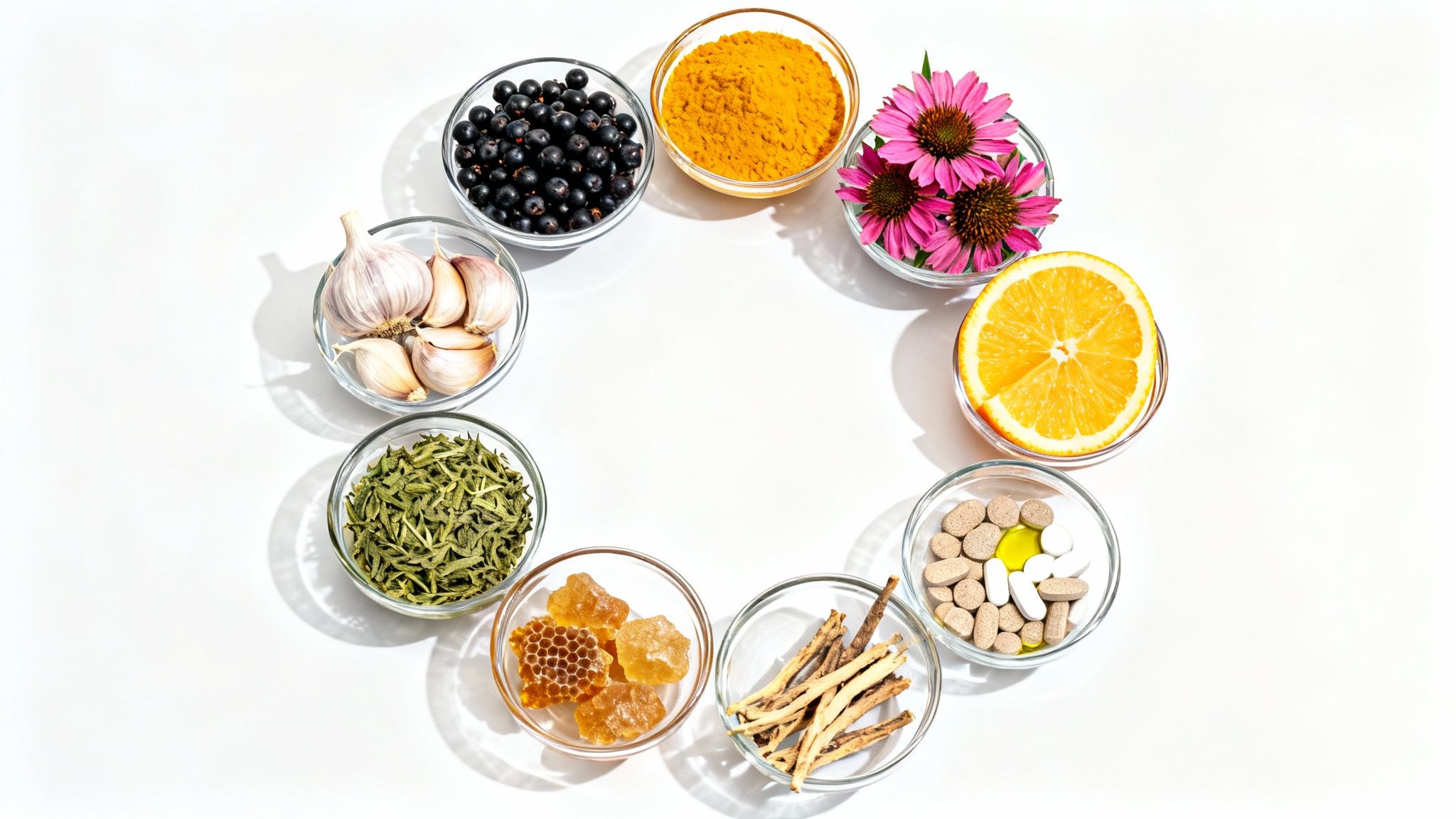
In an era where understanding viral threats is more crucial than ever, many are exploring natural ways to support their immune systems. While modern medicine offers powerful antiviral drugs, a growing body of scientific research is shedding light on compounds found in nature that may help our bodies fend off infections. This guide is dedicated to exploring the evidence behind some of the best natural antivirals, from traditional herbs used for centuries to essential minerals vital for immune function.
We will delve into how specific agents like elderberry, garlic, and zinc work, what the science says about their efficacy, and how to use them safely and effectively. It's important to remember that these natural options are complementary strategies, not substitutes for medical advice, prescribed treatments, or proven prevention methods. Understanding the broader landscape of immune support supplements can help you build a robust defense strategy tailored to your needs.
A critical, yet often overlooked, aspect of viral defense is environmental hygiene. Viruses like Influenza A Virus (H1N1), Norovirus (Norwalk Virus), and SARS-Related Coronavirus 2 (SARS-CoV-2) can persist on surfaces, making regular disinfection with appropriate products a key pillar of prevention. Understanding how viruses spread, both through the air and via contaminated surfaces, is the first step in protecting yourself and your community, which is a core mission of our work here at VirusFAQ.com. Let’s explore the powerful options nature provides to complement these foundational health practices.
1. Elderberry (Sambucus nigra)
Elderberry, derived from the dark purple berries of the Sambucus nigra plant, is a traditional remedy with a long history of use for respiratory illnesses. Modern research has identified potent bioactive compounds, primarily anthocyanins and other flavonoids, that give this botanical its reputation as one of the best natural antivirals for common cold and flu viruses. These compounds are believed to work by inhibiting viral entry into host cells and suppressing viral replication, effectively shortening the duration and reducing the severity of an infection.

Evidence and Mechanism
Multiple clinical studies support elderberry's efficacy, particularly against influenza viruses like Influenza A Virus (H1N1). Research, including studies on the popular brand Sambucol, has shown that elderberry extract can significantly reduce flu symptoms by an average of four days compared to a placebo. The flavonoids in elderberry appear to bind to the hemagglutinin spikes on the surface of influenza viruses, which prevents them from attaching to and entering host cells.
How to Use Elderberry
For the best results, timing and dosage are crucial. Elderberry is most effective when taken at the very first sign of symptoms or used preventatively during periods of high viral circulation, such as the peak flu season.
- Preventative Use: Take a standardized extract of 300-500 mg daily, starting 2-3 weeks before anticipated exposure.
- Acute Infection: For active symptoms, the dosage is typically increased. A common protocol involves taking 15 mL of elderberry syrup (equivalent to approximately 3.8g of elderberry extract) four times a day for 3-5 days.
- Forms: Elderberry is available as syrups, lozenges, gummies, and capsules. Always choose products standardized for their anthocyanin content to ensure potency. For a deeper dive into natural remedies for the flu, explore some of our other resources: Learn more about natural flu remedies on virusfaq.com.
Safety and Considerations
Commercially prepared elderberry supplements are generally considered safe for short-term use. However, it is critical to avoid raw or unripe elderberries, as they contain cyanogenic glycosides, which can release cyanide and cause nausea, vomiting, and other toxic effects. Always consult a healthcare provider before starting any new supplement, especially if you are pregnant, breastfeeding, or have an autoimmune condition.
2. Garlic (Allium sativum)
Garlic, a fundamental ingredient in cuisines worldwide, is also a powerful traditional medicine with a history spanning thousands of years. Its reputation as one of the best natural antivirals comes from its rich concentration of sulfur compounds, most notably allicin. This potent compound is released when a garlic clove is crushed, chopped, or chewed, and it is responsible for both its pungent aroma and its broad-spectrum antimicrobial properties. Allicin and other related compounds are believed to disrupt the protective outer envelopes of viruses like influenza and herpes simplex virus, while also inhibiting crucial viral enzymes needed for replication.

Evidence and Mechanism
Laboratory studies have consistently shown garlic's antiviral activity against a wide range of viruses, including Influenza A (H1N1) and B, Rhinovirus Type 14, Human Immunodeficiency Virus Type 1 (HIV-1), Herpes Simplex Virus 1 (HSV-1), HSV-2, and Human Rotavirus. The primary mechanism involves allicin and its derivatives interfering with viral entry into host cells and suppressing the replication process. While large-scale human clinical trials are limited, some studies suggest that regular garlic consumption can reduce the frequency and severity of common colds. Historically, its use was documented for fending off infections during medieval plague outbreaks.
How to Use Garlic
To harness garlic's full antiviral potential, proper preparation is key. The formation of allicin is an enzymatic process that requires time.
- Maximizing Allicin: After crushing or mincing fresh garlic, let it sit for 10-15 minutes before eating or cooking. This allows the enzyme alliinase to convert alliin into the active compound allicin.
- Preventative Use: Consuming 1-3 raw cloves daily may offer immune-supportive benefits. Incorporate it into salad dressings, dips, or spreads.
- Supplement Forms: If using supplements, look for products standardized for their allicin potential or yield. Aged garlic extract is another popular option that is odorless and has been studied for its immune and cardiovascular benefits.
Safety and Considerations
Garlic is safe for most people when consumed in amounts typically found in food. However, in medicinal doses, it can act as a blood thinner, so individuals taking anticoagulant medications (like warfarin) should exercise caution. High doses may also cause gastrointestinal upset or bad breath. As with any supplement, consulting a healthcare professional is recommended before starting a high-dose regimen, especially for those with pre-existing health conditions or who are pregnant.
3. Zinc (Mineral Supplement)
Zinc is an essential trace mineral that plays a fundamental role in the immune system, particularly in the development and function of immune cells that fight off pathogens. Its reputation as one of the best natural antivirals stems from its ability to directly interfere with viral processes. At therapeutic doses, zinc is believed to inhibit the replication of various respiratory viruses, such as rhinoviruses (e.g., Rhinovirus Type 39), by disrupting key viral enzymes like RNA polymerase and reducing the inflammatory response that causes many common cold symptoms.
Evidence and Mechanism
Numerous clinical trials have investigated zinc's effect on the common cold. A landmark meta-analysis from the Cleveland Clinic and other research found that when taken within 24 hours of symptom onset, zinc lozenges can significantly shorten the duration of the common cold by up to 33%. The proposed mechanism is that ionic zinc, when dissolved in the mouth, directly inhibits viral replication in the throat and nasopharynx and prevents the virus from lodging in the mucous membranes. It also supports the production of interferon-alpha, a key antiviral protein.
How to Use Zinc
For maximum benefit against viral infections, zinc must be started immediately when symptoms appear. The form and dosage are critical for its effectiveness.
- Acute Infection: The most studied protocol for active cold symptoms is using zinc lozenges that provide a total daily dose of at least 75 mg of elemental zinc. Dissolve one lozenge in the mouth every 2-3 hours while awake for 3-7 days, or until symptoms resolve.
- Preventative Use: While less studied for acute prevention, maintaining adequate zinc levels is crucial for overall immune readiness. Long-term supplementation should be done cautiously. For a more comprehensive look at immune support, explore some of our other guides: Discover more ways to boost your immune system naturally on virusfaq.com.
- Forms: Zinc gluconate or zinc acetate lozenges are considered the most effective forms for colds. Avoid products containing citric acid or sorbitol, as they can bind to zinc ions and reduce their effectiveness.
Safety and Considerations
While generally safe for short-term use, high doses of zinc can cause side effects like nausea and an altered sense of taste. Long-term use of high-dose zinc (over 40 mg daily) can lead to a copper deficiency, which can cause neurological problems. If supplementing for an extended period, it's wise to choose a formula that balances zinc with copper. Always consult a healthcare provider before beginning zinc supplementation, especially if you are taking other medications or have underlying health conditions.
4. Vitamin C (Ascorbic Acid)
Vitamin C, or ascorbic acid, is a powerful water-soluble antioxidant that plays a fundamental role in immune defense. It supports various cellular functions of both the innate and adaptive immune systems, enhancing the body’s ability to fight off pathogens. While it's most famous for its role in fighting the common cold, its antiviral properties extend to supporting the integrity of epithelial barriers, like those in our respiratory tract, which form the first line of defense against viral entry.
Evidence and Mechanism
Vitamin C is essential for the production and function of white blood cells, including lymphocytes and phagocytes, which are critical for clearing out viruses. It also contributes to the production of interferons, which are signaling proteins that trigger the protective defenses of the immune system in response to viral invaders. While research popularized by Nobel laureate Linus Pauling on megadoses preventing colds has not been consistently proven in the general population, studies show that regular supplementation can reduce the duration and severity of cold symptoms, particularly in individuals under significant physical stress, like athletes. Its role in supporting critically ill patients, including those with severe respiratory viruses like certain strains of Human Coronavirus, is an area of ongoing research.
How to Use Vitamin C
To leverage its immune-supporting benefits, consistency and appropriate dosing are key, especially during periods of increased viral exposure. The body does not store Vitamin C, so regular intake is necessary.
- Preventative Use: A daily intake of 500 mg to 2,000 mg is often used during cold and flu season. Food sources like citrus fruits, bell peppers, and berries offer excellent bioavailability.
- Acute Infection: During an active infection, doses are often increased to 1,000-2,000 mg daily, taken in divided doses (e.g., 500 mg four times a day) to improve absorption and minimize side effects.
- Forms: Vitamin C is available as capsules, chewable tablets, and powders. Buffered forms like calcium ascorbate may be gentler on the stomach than pure ascorbic acid. For a detailed guide, you can learn more about vitamin C for cold prevention on virusfaq.com.
Safety and Considerations
Vitamin C is generally safe, but high doses can cause gastrointestinal side effects like diarrhea, nausea, and stomach cramps. The tolerable upper intake level for adults is 2,000 mg per day. If you experience digestive upset, reduce your dose. People with certain conditions, such as hemochromatosis (iron overload) or a history of kidney stones, should consult a healthcare provider before taking high-dose Vitamin C supplements. Always discuss supplementation with a professional, especially if you are taking other medications or have underlying health issues.
5. Ginger (Zingiber officinale)
Ginger, the pungent rhizome of the Zingiber officinale plant, is a cornerstone of traditional medicine prized for its warming and healing properties. Its reputation as one of the best natural antivirals comes from its potent bioactive compounds, primarily gingerols and shogaols. These compounds have demonstrated impressive anti-inflammatory, antioxidant, and direct antiviral effects, making ginger a powerful ally against viral infections affecting both the respiratory and digestive systems.
Evidence and Mechanism
Scientific investigations reveal that ginger's active compounds can interfere with the viral life cycle. Studies on viruses like the human respiratory syncytial virus (HRSV) and Avian Influenza Virus (H5N1) show that fresh ginger can prevent the virus from attaching to and internalizing into host cells. Furthermore, gingerols and shogaols are known to inhibit viral protein synthesis and reduce the pro-inflammatory cytokines that cause many of the uncomfortable symptoms associated with colds and flu, such as sore throat and body aches.
How to Use Ginger
Ginger is most effective when used consistently at the first sign of illness. Its versatility allows it to be incorporated into your routine easily, whether for prevention or acute treatment.
- Preventative Use: A daily intake of 1-2 grams of dried ginger powder or 4-6 grams of fresh ginger can help support immune function during high-risk seasons.
- Acute Infection: To combat active symptoms, prepare a soothing tea by steeping 1-2 tablespoons of freshly grated ginger in hot water for at least 10 minutes. Combining it with honey and lemon adds antimicrobial benefits and soothes a sore throat.
- Forms: Ginger is available fresh, dried, powdered, and in capsules or tinctures. For anti-inflammatory benefits, dried or heated ginger is often preferred as it contains higher levels of shogaols. While Zingiber officinale is a well-known antiviral, exploring other varieties like Myoga Ginger can offer additional insights into natural plant benefits.
Safety and Considerations
Ginger is widely considered safe for most people when consumed in culinary or standard supplement amounts. High doses may cause mild side effects like heartburn or stomach upset. Individuals on blood-thinning medications or with bleeding disorders should exercise caution and consult a healthcare provider, as ginger can have anticoagulant properties. Always speak with your doctor before adding a new supplement to your regimen, especially if you are pregnant or have a pre-existing medical condition.
6. Oregano Oil (Origanum vulgare)
Oregano oil, a potent essential oil extracted from the leaves and flowers of the Origanum vulgare plant, is a powerhouse of antimicrobial compounds. Its reputation as one of the best natural antivirals comes from two key phenols, carvacrol and thymol. These active ingredients are known for their ability to disrupt the protective outer layer, or envelope, of many viruses, which effectively inactivates them and prevents them from infecting host cells. This mechanism makes oregano oil a subject of significant interest for its broad-spectrum action.
Evidence and Mechanism
Laboratory research has demonstrated that oregano oil's primary component, carvacrol, can dismantle the viral capsid and inhibit viral enzymes necessary for replication. Studies in vitro have shown its effectiveness against a range of viruses, including Herpes Simplex Virus 1 (HSV-1), Human Rotavirus, Feline Calicivirus (a surrogate for Norovirus), and even certain coronaviruses. While robust human clinical trials are still limited, its strong performance in lab settings and traditional use support its role as a powerful antiviral agent.
How to Use Oregano Oil
Oregano oil is extremely concentrated and must be used with caution and respect. Proper dilution and form are critical for safe and effective application, whether for acute support or topical use.
- Internal Use: For short-term use during an illness, take 1-3 drops of high-quality, food-grade oregano oil in a capsule with food, two to three times daily. Never consume undiluted oregano essential oil, as it can burn mucous membranes.
- Topical Application: To address skin-level viral issues like herpes lesions, heavily dilute the oil. A safe ratio is 1 part oregano oil to at least 10 parts of a carrier oil like coconut or jojoba oil.
- Forms: Look for oregano oil products that specify a high carvacrol content, ideally over 60%, to ensure potency. It is available as softgels, liquid essential oil, and in blended tinctures.
Safety and Considerations
The potency of oregano oil requires careful handling. It can cause skin irritation if not properly diluted and gastrointestinal upset if taken in excess or on an empty stomach. Long-term internal use is generally not recommended. It should be avoided by pregnant or breastfeeding women and infants. As with any potent supplement, consult a healthcare professional before adding oregano oil to your regimen, especially if you have pre-existing health conditions or are taking other medications.
7. Echinacea (Echinacea purpurea)
Echinacea, commonly known as the purple coneflower, is a popular herb in North American and European traditional medicine, prized for its immune-enhancing properties. The roots, leaves, and flowers of the Echinacea purpurea plant contain a complex mix of active compounds, including alkamides, polysaccharides, and derivatives of caffeic acid. These constituents are thought to work not by attacking viruses directly, but by modulating the body's own immune defenses. This makes it a key player among natural antivirals for fortifying the system against common respiratory pathogens.
Evidence and Mechanism
The primary mechanism of echinacea is immunomodulation. Its compounds appear to stimulate the activity of key immune cells like macrophages and natural killer (NK) cells, and may also increase the production of cytokines such as interferon. This enhances the body's innate, non-specific antiviral response, making it more efficient at identifying and neutralizing invading pathogens. While clinical research has produced mixed results, several meta-analyses suggest that echinacea can modestly reduce the incidence and duration of the common cold, particularly when taken preventatively or at the first sign of illness. Some studies have noted its effects against viruses such as Influenza A2/305/57 Virus (H2N2) and certain coronaviruses.
How to Use Echinacea
Echinacea is most effective as a preventative measure, not as a treatment for an established infection. To harness its immune-supporting benefits, consistency and timing are key. It is crucial to start supplementation well before the typical cold and flu season begins.
- Preventative Use: Take a standardized extract of 300-500 mg, two to three times daily, for a period of 6-12 weeks leading up to and during periods of high viral exposure.
- Early Onset: Some protocols suggest a higher dose at the very first tickle of a sore throat, but its efficacy after symptoms are present is debated.
- Forms: Echinacea is sold as capsules, tinctures, and teas. Opt for high-quality products from reputable brands like Gaia Herbs, which are standardized for their active compounds (alkamides or polysaccharides). The root extracts are often considered more potent than those from the aerial parts of the plant.
Safety and Considerations
Echinacea is generally safe for short-term use in healthy adults. The most common side effects are minor gastrointestinal upset and skin rashes. Due to its immune-stimulating effects, individuals with autoimmune diseases such as rheumatoid arthritis or lupus should avoid echinacea or consult their healthcare provider before use. There is also a potential risk of allergic reactions, especially in people with allergies to other plants in the daisy family (like ragweed or marigolds). Always speak with a healthcare professional before adding echinacea to your regimen, especially if you are pregnant, breastfeeding, or taking other medications.
8. Probiotics (Beneficial Bacteria Cultures)
Probiotics are live beneficial microorganisms, primarily from Lactobacillus and Bifidobacterium strains, that support a healthy gut microbiome and enhance systemic immunity. Often referred to as "good bacteria," these microbes play a critical role in modulating the body's defense systems. The gut microbiota strengthens the intestinal barrier, regulates immune responses through gut-associated lymphoid tissue (GALT), and produces compounds that inhibit pathogens, making probiotics an indirect but powerful tool in the arsenal of natural antivirals.
Evidence and Mechanism
A robust gut microbiome is fundamental to a well-functioning immune system. Probiotics enhance mucosal immunity by stimulating the production of immunoglobulin A (IgA), an antibody that lines the respiratory and digestive tracts to neutralize viruses upon entry. Specific strains have been shown to increase the activity of natural killer (NK) cells and modulate the production of interferon-gamma, a key signaling protein in the antiviral response. Clinical studies have linked regular probiotic consumption, such as Lactobacillus rhamnosus GG, to a reduced incidence and duration of common colds and other upper respiratory infections in both children and adults. Their role in mitigating gastrointestinal viruses like Human Rotavirus is particularly well-documented.
How to Use Probiotics
To harness the immune-supporting benefits of probiotics, consistency and proper selection are key. A healthy gut environment is built over time, not with a single dose.
- Preventative Use: Consistent daily supplementation is recommended for maximum benefit, often for a minimum of 3-6 months. Choose a multi-strain product with a specified count of at least 10 billion colony-forming units (CFU).
- Forms: Probiotics are available in capsules, powders, and fortified foods. Look for delayed-release capsules designed to protect the bacteria from stomach acid. Food sources like unsweetened yogurt, kefir, and fermented vegetables provide ongoing benefits.
- Administration: Take probiotics with food to improve their survival and adherence within the gut.
Safety and Considerations
Probiotics are generally considered safe for the majority of people. Mild side effects like temporary gas or bloating can occur as the gut microbiome adjusts. However, individuals who are severely immunocompromised or critically ill should consult a healthcare provider before starting probiotics, as there is a rare risk of systemic infection. Always choose reputable brands that guarantee CFU counts through the product's expiration date.
9. Honey (Manuka and Raw Varieties)
Honey, especially raw and Manuka varieties, is a time-honored remedy valued for more than just its sweetness. Its powerful antimicrobial and antiviral properties stem from a unique combination of compounds, including hydrogen peroxide, methylglyoxal (MGO), and defensin-1, a bee-derived peptide. These components work together to inhibit viral activity, while honey’s thick viscosity coats and soothes inflamed mucous membranes in the throat, making it one of the most effective natural antivirals for managing coughs and respiratory discomfort.

Evidence and Mechanism
Clinical research strongly supports honey's use as a cough suppressant, with some studies finding it as effective as the common over-the-counter drug dextromethorphan. Manuka honey, in particular, has shown direct antiviral effects against influenza viruses in lab studies, where it was found to inhibit viral replication. The antiviral action is largely attributed to its high concentration of MGO. Furthermore, honey's viscous nature creates a protective barrier, which can help prevent secondary bacterial infections that often complicate viral illnesses like those caused by Rhinovirus or Human Coronavirus. Proper hygiene, including using disinfecting wipes on surfaces, remains crucial to prevent the initial viral spread.
How to Use Honey
To maximize its benefits, choose raw, unpasteurized honey, which retains all its therapeutic enzymes and compounds. For targeted antiviral action, medical-grade Manuka honey is preferred.
- For Cough and Sore Throat: Take 1-2 teaspoons of honey directly or mixed into warm (not hot) water or herbal tea. This can be repeated every 3-4 hours as needed to soothe irritation.
- Potency: For a significant antiviral effect, look for Manuka honey with a UMF (Unique Manuka Factor) rating of 15+ or an MGO rating of 400+, as these indicate higher levels of active compounds.
- Enhanced Benefit: Combine honey with other natural remedies like ginger, lemon, or turmeric to amplify its soothing and immune-supporting effects.
Safety and Considerations
Honey is generally safe for adults and children over the age of one. However, it should never be given to infants under 12 months old due to the risk of infant botulism, a rare but serious paralytic illness caused by Clostridium botulinum spores. Individuals with bee or pollen allergies should use caution. While honey is a natural product, it is a form of sugar and should be consumed in moderation, especially by those monitoring their blood sugar levels.
10. Astragalus (Astragalus membranaceus)
Astragalus is a foundational adaptogenic herb in Traditional Chinese Medicine (TCM), revered for its immune-modulating properties. The root of the Astragalus membranaceus plant contains potent bioactive compounds, including polysaccharides, flavonoids, and saponins, which are believed to enhance the body's natural defense mechanisms. It is considered one of the best natural antivirals for its ability to bolster immune surveillance and strengthen resilience against seasonal pathogens.
Evidence and Mechanism
Astragalus is thought to work by enhancing both innate and adaptive immunity. Its primary components, particularly astragalus polysaccharides (APS), have been shown to stimulate the production of interferons, which are key signaling proteins that trigger the body's defensive response to viruses. Research suggests it strengthens the respiratory epithelial barrier, increases antibody responses, and promotes the proliferation and activity of various immune cells, including T-cells and natural killer cells. Some studies have investigated its potential effects on viruses like Hepatitis B Virus (HBV) and Bovine Viral Diarrhea Virus (BVDV), a surrogate for Hepatitis C Virus (HCV).
How to Use Astragalus
Astragalus is most effective when used preventatively to build a robust immune system over time, rather than as a treatment for an active infection. It is a staple in many TCM protocols for preventing seasonal colds and is often used well in advance of the cold and flu season.
- Preventative Use: Take a standardized extract of 500 mg to 2g daily in capsule form. Alternatively, a decoction can be made by simmering the dried root slices and consuming 1-2 cups daily. For maximum benefit, it's recommended to start taking it 2-3 months before anticipated viral exposure.
- Acute Infection: Astragalus is generally not recommended during an acute, active infection, especially one with a fever. The focus should shift to other remedies once symptoms have begun.
- Forms: Astragalus is available as dried root slices (for teas and soups), powders, tinctures, and standardized capsules. It is often combined with other warming immune herbs like ginger in traditional preparations.
Safety and Considerations
Astragalus is considered safe for most people when used as directed for preventative purposes. However, its immune-stimulating effects may be problematic for individuals with autoimmune conditions such as rheumatoid arthritis or lupus, as it could potentially exacerbate symptoms. It may also interact with medications that suppress the immune system. As with any supplement, it is crucial to consult with a healthcare provider before beginning use, particularly if you are pregnant, breastfeeding, or have a pre-existing medical condition.
Top 10 Natural Antivirals Comparison
| Item | 🔄 Implementation complexity | ⚡ Resources & accessibility | ⭐ Expected effectiveness | 📊 Typical impact | 💡 Ideal use cases / Key tip |
|---|---|---|---|---|---|
| Elderberry (Sambucus nigra) | Low–Moderate (standardized extracts preferred) | Moderate cost; syrups/lozenges widely available | ⭐⭐⭐ (good evidence for cold/flu when used early) | Reduces duration ≈1–2 days (meta-analysis) | Start preventative 2–3 weeks prior or at symptom onset; use standardized extract |
| Garlic (Allium sativum) | Low (crush/mince to form allicin; raw best) | Very low cost; widely accessible; preparation affects potency | ⭐⭐ (strong in vitro, mixed in vivo) | One trial showed 63% fewer colds after 6 months daily use | Crush and wait 10–15 min; 1–3 cloves/day for prevention; raw may cause GI upset |
| Zinc (Mineral Supplement) | Low (lozenges or oral; timing-critical) | Low cost; widely available; narrow therapeutic window | ⭐⭐⭐⭐ (strong clinical evidence when started within 24h) | Reduces cold duration ~25–35%; lozenges shorten 3–4 days | Start within 24 hours of symptoms; typical short-term 75mg/day; avoid long-term excess |
| Vitamin C (Ascorbic Acid) | Very low (oral); IV requires medical setting | Oral low cost; IV costly and medical-only | ⭐⭐ (modest benefits; best in stressed/malnourished) | Regular high-dose: duration ↓ ~8% adults, 14% children; therapeutic benefit small | 500–2000mg/day during exposure; divide doses to reduce GI side effects |
| Ginger (Zingiber officinale) | Low (fresh tea, powder, or extract) | Low cost; widely available | ⭐⭐ (in vitro antiviral; limited human data) | Mainly symptomatic relief (nausea, inflammation); limited clinical antiviral data | Fresh tea or 1–2 g dried daily; combine with honey/lemon for throat relief |
| Oregano Oil (Origanum vulgare) | Moderate–High (essential oil dilution; safety concerns) | Variable cost; concentrated oil requires cautious use | ⭐⭐ (potent in vitro, scarce human evidence) | Strong in vitro inhibition of many enveloped viruses; human trials lacking | Use diluted; choose carvacrol‑standardized products (>60%); do not consume undiluted |
| Echinacea (Echinacea purpurea) | Low–Moderate (effect varies by species/extract) | Widely available; quality varies widely | ⭐⭐ (mixed clinical results; better preventative) | May reduce cold incidence ≈10–30% with preventative use | Start 6–12 weeks before exposure; typical standardized dose 300–500mg/day |
| Probiotics (Lactobacillus, Bifidobacterium) | Moderate (strain selection, storage/CFU matters) | Moderate cost; some require refrigeration | ⭐⭐⭐ (strain-specific evidence; benefits for children/stressed groups) | Reduced respiratory infections ≈19–38% in athletes/stressed populations | Choose multi-strain >10B CFU, delayed-release if possible; daily use for months |
| Honey (Manuka / Raw) | Very low (direct use or in tea) | Low cost regular; Manuka (UMF) higher cost | ⭐⭐⭐ (effective for symptomatic cough relief) | Comparable to dextromethorphan for cough; improves patient satisfaction | 1–2 tsp every 3–4 hrs for cough; use Manuka UMF≥10 for stronger effect; avoid in infants <1 year |
| Astragalus (Astragalus membranaceus) | Moderate (decoction or supplement; long-term use) | Moderate cost; requires consistent long-term use | ⭐⭐ (strong traditional use; limited high-quality trials) | Small studies show increased NK activity and reduced URIs in elderly | Preventative dosing 500mg–2g/day; start 2–3 months before season; avoid if autoimmune concerns |
Integrating Natural Support with Smart Prevention
Navigating the world of natural health can feel both empowering and overwhelming. Throughout this article, we have explored ten of the best natural antivirals backed by scientific inquiry, from the immune-modulating properties of Elderberry and Echinacea to the direct inhibitory actions of compounds found in Garlic and Oregano Oil. We've seen how essential nutrients like Zinc and Vitamin C form the bedrock of a resilient immune system, and how substances like Honey and Astragalus offer both historical validation and modern scientific interest.
The key takeaway is that these natural allies work best not in isolation, but as part of a cohesive, intelligent strategy for health. They are not magic bullets, but rather powerful tools to support your body's innate defensive capabilities. True resilience is built on a foundation of holistic well-being.
From Internal Support to External Defense
Building a robust immune system is your primary internal defense. However, equally critical is minimizing your exposure to viral threats in your environment. This is where proactive, smart hygiene practices become non-negotiable.
Viruses, from the common Rhinovirus causing colds to more persistent threats like Norovirus or Hepatitis B Virus (HBV), can survive on inanimate surfaces for hours, and sometimes days. A doorknob, a keyboard, or a shared tabletop can become a transmission point, silently passing pathogens from one person to the next. This underscores the importance of a crucial, often overlooked, layer of defense: environmental disinfection.
Proactive Prevention Principle: Reducing the viral load in your immediate environment directly lowers your risk of infection. By breaking the chain of transmission on surfaces, you prevent pathogens from ever entering your body.
Actionable Next Steps: Building Your Comprehensive Health Shield
Integrating the insights from this guide into your daily life is the next crucial step. Here’s a practical framework to combine internal support with external prevention for a multi-layered defense system.
-
Consult and Personalize: Before adding any new supplements like Zinc, Astragalus, or Oregano Oil to your regimen, always consult with a healthcare professional. They can help you assess potential interactions with existing medications and determine the most appropriate forms and dosages for your unique health profile.
-
Focus on Foundational Health: Remember that supplements augment, they do not replace. Prioritize the pillars of health that provide the greatest return on your well-being:
- Nutrient-Dense Diet: Incorporate antiviral foods like garlic and ginger into your daily cooking.
- Consistent Sleep: Aim for 7-9 hours of quality sleep per night to allow for proper immune cell production and function.
- Stress Management: Chronic stress elevates cortisol, which can suppress immune activity. Practice mindfulness, exercise, or other relaxation techniques.
-
Implement Smart and Targeted Hygiene: Make environmental cleaning a conscious, routine habit. Your goal is to disrupt viral hotspots before they become a problem.
- Identify High-Touch Surfaces: Regularly clean and disinfect items like your phone, keys, wallet, remote controls, light switches, and steering wheel.
- Utilize Effective Tools: For convenient and thorough disinfection, using high-quality disinfecting wipes is an exceptionally effective strategy. At VirusFAQ.com, we emphasize evidence-based approaches, and the science confirms that physically removing and deactivating viruses on surfaces is a cornerstone of prevention against pathogens like Influenza A Virus (H1N1) and SARS-CoV-2.
By weaving together the potent support of nature's best natural antivirals with the undeniable effectiveness of smart hygiene and foundational health practices, you create a powerful, synergistic defense. This integrated approach empowers you to not just react to illness, but to proactively cultivate a state of resilient, year-round health.
Leave a Reply