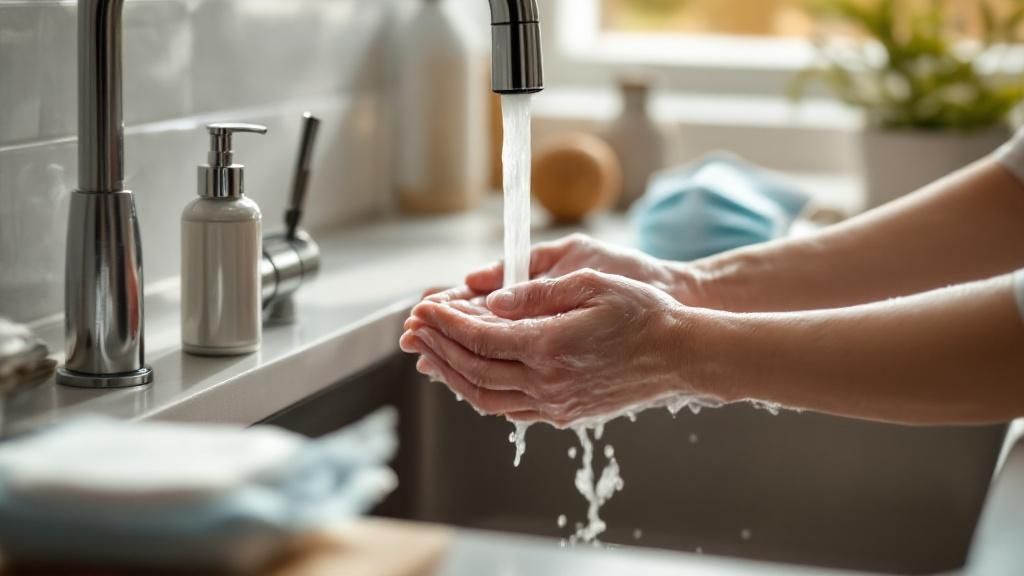
When it comes to stopping a virus in its tracks, a few simple habits make all the difference. It boils down to consistent hand hygiene, breaking the habit of touching your face, and keeping your personal spaces clean. These aren't complicated, high-tech solutions. They're powerful, everyday actions that disrupt the main ways viruses like the Influenza A Virus (H1N1) and Norovirus jump from person to person and from surfaces to you.
Your Daily Habits for Virus Prevention

The first line of defense against getting sick isn't something you buy—it's something you do. Viruses are microscopic opportunists just waiting for a chance to get inside your body. The good news? You can build a really strong defensive routine with just a few high-impact habits.
It all starts with your hands. Think about it: they're the primary vehicles for moving germs from the outside world directly to you.
The Power of Proper Handwashing
Effective handwashing is so much more than a quick rinse. It’s a physical process that literally removes viral particles from your skin. To get it right, you need both soap and friction for at least 20 seconds. A good rule of thumb is to hum "Happy Birthday" through twice. This action lifts viruses off so they can be washed right down the drain.
Just think about your daily routine. You grab doorknobs, press elevator buttons, and use shared keyboards. Every single touch is a potential transfer point for common viruses like Rhinovirus Type 14. Making a conscious effort to wash your hands after being in public, before you eat, and after you cough or sneeze is non-negotiable for staying healthy.
A critical part of virus prevention is breaking the "chain of infection." This chain is the sequence of events that allows a germ to be transmitted from its source to a susceptible person. Proper hand hygiene is one of the most effective ways to break this chain at its most common link—your hands.
Your Core Virus Prevention Checklist
To make these habits stick, it helps to see them all in one place. Here’s a quick-glance table of the most effective things you can do every day to lower your risk.
| Preventive Action | Why It's Effective | When to Do It |
|---|---|---|
| Wash Hands (20+ sec) | Physically removes viral particles from your skin. | Before eating, after being in public, after coughing/sneezing. |
| Use Disinfecting Wipes | Kills viruses on high-touch surfaces to prevent spread. | Daily on doorknobs, phones, keyboards, and countertops. |
| Avoid Touching Face | Prevents viruses on your hands from entering your body. | Be mindful when tired, stressed, or concentrating. |
Think of this checklist as your foundational defense. Mastering these three simple actions dramatically reduces your chances of getting sick.
Using Hand Sanitizer Correctly
What about when you can't get to a sink? That's where an alcohol-based hand sanitizer comes in handy. But be warned, not all sanitizers are created equal. For it to actually work against a wide range of viruses, including both enveloped viruses like Influenza A2/305/57 Virus (H2N2) and non-enveloped viruses like Human Rotavirus, the product must contain at least 60% alcohol.
Hand sanitizer is your best friend for those on-the-go moments—like after you've used a shopping cart or touched a gas pump. Squeeze a generous amount into your palm and rub it all over the surfaces of your hands until they're completely dry. Don't rush it; this ensures the alcohol has enough contact time to do its job and neutralize any pathogens.
Avoid Touching Your Face
This last one sounds simple, but it’s often the hardest habit to master. Viruses need an entry point, and your eyes, nose, and mouth are prime real estate. We all subconsciously touch our faces hundreds of times a day, giving any virus on our hands, like Herpes Simplex Virus 1 (HSV-1), a direct path to causing an infection.
The key here is mindfulness. Start noticing when you're most likely to do it. Is it when you're tired at your desk? Stressed out? Deep in concentration? Just by becoming aware of the habit, you can start to consciously keep your hands away from those entry points. It's a powerful barrier that perfectly complements your hand hygiene routine.
Mastering Personal and Respiratory Hygiene
While diligent handwashing is a cornerstone of virus prevention, what you do when you feel a cough or sneeze coming on is just as crucial. This is where good respiratory etiquette comes in—a simple set of habits designed to stop viruses right at the source, before they have a chance to become airborne or settle on surfaces.
Think of a cough or sneeze as a high-speed spray of tiny droplets. Each one can be a tiny vehicle for respiratory viruses like the Rhinovirus Type 39 (which causes the common cold) or Avian Influenza Virus (H5N1). If you cough into your hands, you’re just transferring those germs to a surface that will inevitably touch countless other things.
The Science of the Sneeze
The simple act of coughing or sneezing into your elbow is remarkably effective. It’s a game-changer. Why? Because your elbow rarely touches other people or surfaces, which effectively traps infectious droplets and helps break the chain of transmission.
This one small habit contains the spray and keeps viruses off your hands and out of the surrounding environment.
Imagine you’re in a meeting and feel that familiar tickle in your throat. Your first instinct might be to cover your mouth with your hand. Instead, just turn your head and cough directly into the crook of your elbow. You’ve just protected everyone else in the room without missing a beat.
The goal of respiratory hygiene is to create a personal ‘safety zone.’ It’s about consciously managing your own potential to spread illness, protecting your community through simple, consistent actions until they become second nature.
Navigating Social and Work Situations
Feeling unwell when you have to be around other people is awkward, but it doesn’t have to be a major issue. Your main job is to minimize the risk to those around you.
Here's how to handle it:
- Create Distance: If you're feeling sick, try to maintain a bit more physical space than you normally would. A little extra room significantly reduces the chance of any airborne droplets reaching others.
- Be Open (When It Makes Sense): If you're obviously unwell, it’s often best to be upfront. A simple, "Heads up, I'm feeling a bit under the weather, so I'm keeping my distance," shows you're being considerate.
- Wash Your Hands Constantly: After you cough, sneeze, or blow your nose, make it an immediate priority to wash your hands or use hand sanitizer. This is non-negotiable in shared spaces.
These practices aren't just for your own benefit; they're a critical part of community health. In fact, they form the foundation of the robust protocols used in healthcare settings. You can learn more about the advanced strategies used in clinical environments in our guide on hospital-acquired infection prevention.
By mastering these personal hygiene habits, you take an active role in preventing the spread of viruses. You’re building a shield—not just for yourself, but for your family, colleagues, and community.
How to Create a Low-Risk Home and Workspace
Beyond just washing your hands, the spaces where you spend most of your time—your home and your office—are critical battlegrounds in the fight against viruses. We don't often think about it, but viruses can survive on surfaces for hours, or in some cases, even days. This turns everyday objects like doorknobs and keyboards into silent sources of transmission for viruses like Herpes Simplex Virus 2 (HSV-2).
To really get a handle on this, you need a smart approach to cleaning your environment. It all starts with understanding the difference between cleaning and disinfecting.
Cleaning is about physically removing dirt and some germs, usually with soap and water. Disinfecting, on the other hand, is about using chemicals to actually kill the pathogens left behind. For a truly effective defense, you need to do both.
This image shows what a modern, effective approach to disinfecting a kitchen looks like. It’s one of the highest-traffic areas in any home.

As you can see, the key is targeting those high-touch surfaces with a proper disinfectant. This practice is absolutely essential for keeping shared spaces safe.
Prioritizing High-Touch Surfaces
Let's be realistic: you don't need to sanitize every square inch of your home every single day. That's just not practical. The smarter move is to focus your energy on the "high-touch" hotspots that people interact with most often. This targeted approach is both manageable and incredibly effective.
Think about the main culprits in your own home and workspace. Start by making a mental list:
- Door Handles and Knobs: Every single person who enters or leaves a room touches these.
- Light Switches: We flick them on and off without a second thought, multiple times a day.
- Faucets and Toilet Handles: Bathrooms are notorious germ hotspots for a reason.
- Countertops and Tabletops: Especially where food is prepared or where people eat and work.
- Electronics: This is a big one. Think remote controls, keyboards, computer mice, and—most importantly—your smartphone.
Once you’ve identified these areas, the trick is to build a simple, consistent routine. Wiping them down just once a day can dramatically lower the risk of spreading a virus from a surface.
This is where disinfecting wipes can be a real game-changer. They’re convenient, pre-saturated with the right amount of disinfectant, and perfect for a quick, effective wipe-down on most hard surfaces, ensuring you eliminate viruses before they can infect anyone.
Some viruses are notoriously tough. Take Feline Calicivirus, for example. It's often used in scientific studies as a stand-in for the highly contagious Norovirus (Norwalk Virus) because it can survive on dry surfaces for up to 28 days. This fact alone really underscores why consistently disinfecting high-touch areas with quality wipes is so critical.
A simple daily wipe-down of these key zones gives you a powerful layer of protection. It’s an especially important habit when someone in the house is sick or during the peak of cold and flu season. This small investment of time transforms your environment from a potential source of infection into a much safer space for everyone, reinforcing all your other efforts. It's a huge return in health and peace of mind.
Building Your Body's Natural Defenses
While daily hygiene and clean spaces create a formidable outer shield, your most powerful tool for fighting viruses is already inside you: your own immune system. Think of it as a highly sophisticated internal security force, constantly patrolling your body for invaders. A strong, well-supported immune system can often identify and neutralize viruses like the Human Coronavirus or Human Immunodeficiency Virus Type 1 (HIV-1) before you even feel sick.
This is why getting proactive about your health is so critical. You're not just reacting to threats as they come; you're actively building a more resilient body from the inside out.
The Critical Role of Vaccination
When it comes to preventing serious viral infections, vaccination is one of the most effective strategies we have. Vaccines work by essentially giving your immune system a "cheat sheet" to recognize a specific virus without you having to get sick first. They introduce a harmless piece of the virus or an inactivated version, which prompts your body to create antibodies and memory cells.
If you later encounter the actual virus, your immune system is already primed to launch a swift and powerful defense. This is exactly how vaccines for viruses like Hepatitis B Virus (HBV) and SARS-Related Coronavirus 2 (SARS-CoV-2) work, drastically reducing your risk of severe disease, hospitalization, or long-term complications.
Global health initiatives show just how powerful this approach is. By the end of 2024, an additional 1.4 billion people were living healthier lives, partly because of better access to water, sanitation, and vaccines. Still, gaps in immunization coverage for viruses like Duck Hepatitis B Virus (DHBV) remain a major hurdle, preventing full protection for many vulnerable populations.
Fueling Your Immune System Daily
Beyond vaccination, your daily habits have a direct impact on how well your immune system functions. A healthy immune response isn't just luck—it's the result of consistent, healthy choices.
- Nutrition: A balanced diet rich in vitamins and minerals is non-negotiable. Nutrients like Vitamin C, Vitamin D, and zinc are famous for their roles in supporting immune cell function. Think colorful fruits, leafy greens, and lean proteins.
- Sleep: When you sleep, your body gets to work on critical maintenance, including producing infection-fighting molecules called cytokines. Aiming for 7-9 hours of quality sleep per night is a cornerstone of a strong defense.
- Exercise: Regular, moderate physical activity can boost the circulation of your immune cells, helping them patrol your body more effectively. Even a brisk walk or a bike ride makes a difference.
- Stress Management: Chronic stress is a known immune system suppressor, making you more susceptible to infections. Finding healthy ways to manage stress—whether it's through a hobby, mindfulness, or just spending time in nature—is crucial for keeping your defenses up.
Think of your immune system like a well-trained muscle. The more you support it with good nutrition, adequate rest, and a healthy lifestyle, the stronger and more responsive it becomes when faced with a real threat, like the Bovine Viral Diarrhea Virus (BVDV) in its respective host.
These lifestyle factors work together to create a robust internal environment where viruses struggle to take hold. For those interested in a deeper dive, our article offers more specific tips on ways to boost your immune system naturally. By combining modern medical interventions like vaccines with foundational health practices, you build the most comprehensive defense possible against viral infections.
Staying Safe in Public Spaces and Crowds
Once you step out of your front door, you lose control over your environment. Public spaces—whether it's the morning commute, a quick trip to the grocery store, or a packed event—are where viruses thrive. It’s just a fact of life. Staying safe isn't about paranoia; it's about being smart and developing a few simple, consistent habits.
Any time you're in a crowd, your exposure risk goes up. That’s especially true for respiratory viruses like Influenza and SARS-CoV-2, which hitch a ride on tiny droplets in the air. The trick is to stay aware of your surroundings so you can apply your protective habits when they count the most.
Mastering Your Public Environment
Think of it as creating a personal safety bubble that moves with you. A few small, conscious actions can dramatically lower your risk, especially when you combine them.
First, give people space whenever you can. I know, it’s not always possible on a crowded bus or in a narrow store aisle. But if you see a situation getting too congested, just hang back for a minute or consider coming back when it’s less busy. Even a little extra distance helps.
Next, and this is a big one, watch your hands. Public spaces are covered in high-touch surfaces that hundreds of people have already put their hands on.
- Public Transit: Think handrails, support poles, and the tops of seats.
- Retail Stores: Shopping cart handles, credit card keypads, and freezer doors are major culprits.
- Public Restrooms: Faucet handles, stall locks, and paper towel dispensers see constant traffic.
After touching any of these, make it a reflex to use an alcohol-based hand sanitizer or, even better, a disinfecting wipe on surfaces like shopping cart handles before you touch them. The most critical part? Keep your hands away from your face until they're clean.
At its core, public health is about teamwork. When we all practice good hand hygiene, use disinfecting wipes on shared surfaces, and cover our coughs, it doesn't just protect us—it creates a ripple effect that shields the entire community, especially those who are most vulnerable.
Finally, keep an eye on local health recommendations. During the peak of respiratory virus season, you might see officials suggesting masks in crowded indoor places. A simple mask is a surprisingly effective tool for protecting both yourself and the people around you.
And these aren't just suggestions—they work. Data from the European Centre for Disease Prevention and Control shows exactly how public health measures make a difference. Following the 2024-2025 season, activity from viruses like influenza and RSV dropped back to baseline levels, and SARS-CoV-2 activity remained low. This demonstrates how integrated strategies really can manage viral spread on a massive scale. It’s a powerful reminder of why personal responsibility is so crucial in the collective effort to prevent virus infections.
Common Questions About Virus Prevention
Even with the best intentions, it's easy to get tangled up in questions about what really works when it comes to stopping viruses. Let's clear up some of the most common ones so you can feel confident in your daily habits.
What Is the Single Best Way to Prevent Spreading Viruses?
If I had to pick just one thing, it would be this: wash your hands thoroughly and frequently. It sounds almost too simple, but it’s the most powerful action you can take. Your hands are the main transportation system for viruses, moving them from doorknobs and phones straight to your eyes, nose, and mouth.
Scrubbing with soap and water for a solid 20 seconds is the gold standard. When you can't get to a sink, a hand sanitizer with at least 60% alcohol is your next best bet. This one habit is a game-changer against a huge range of viruses, from large non-enveloped viruses like Human Rotavirus to small non-enveloped viruses. If you're curious about these everyday bugs, our guide on common virus infections is a great resource.
On a bigger scale, stopping a virus before it spreads widely is all about early detection. The World Health Organization points out that public health relies on smart surveillance systems, like sentinel and wastewater tracking, to see what’s circulating and keep everyone informed.
How Long Do Viruses Last on Surfaces I Touch Every Day?
This is a tricky one because it really depends on the specific virus and the surface it's on. There’s no single answer. For instance, influenza viruses might only survive on hard surfaces like stainless steel for up to 48 hours.
But some viruses are much tougher. Norovirus, the bug famous for causing brutal stomach flu, can stay infectious on surfaces for days or even weeks. This is exactly why routinely cleaning and disinfecting the things you touch all the time is so critical.
What should you focus on? The usual suspects:
- Doorknobs and light switches
- Countertops and tables
- Your phone, keyboard, and remote controls
Wiping down these hotspots with a good disinfecting wipe is a simple, effective way to break the chain of transmission and lower your risk. Having wipes on hand makes this daily task quick and easy.
When Should I Consider Wearing a Mask?
Masks have proven their worth time and again for cutting down the spread of respiratory viruses like influenza and SARS-CoV-2. Whether you should wear one often comes down to what’s happening in your local community and what public health officials are recommending.
It's always a smart move to wear a high-quality, well-fitting mask when you’re in crowded indoor places, on public transit, or just generally during peak cold and flu season. And if you’re feeling a bit under the weather yourself, wearing one is a small act of kindness that protects everyone around you from germs you might be spreading without realizing it.
What Else Can I Do to Avoid Getting Really Sick?
Beyond washing your hands and wiping down surfaces, your best long-term defense is a strong, well-cared-for immune system. The absolute most important step here is to stay up-to-date on your recommended vaccinations. They're designed to train your body to fight off specific, and often very serious, viruses like Hepatitis C Virus (HCV).
Your daily lifestyle choices also play a huge role. Think of it as building a strong foundation. Focus on eating a balanced diet, aiming for 7-9 hours of quality sleep a night, getting regular physical activity, and finding healthy ways to manage stress. A well-supported immune system is your best ally—it can often fend off an infection before it starts or at least make it much less severe if you do get sick.
Leave a Reply