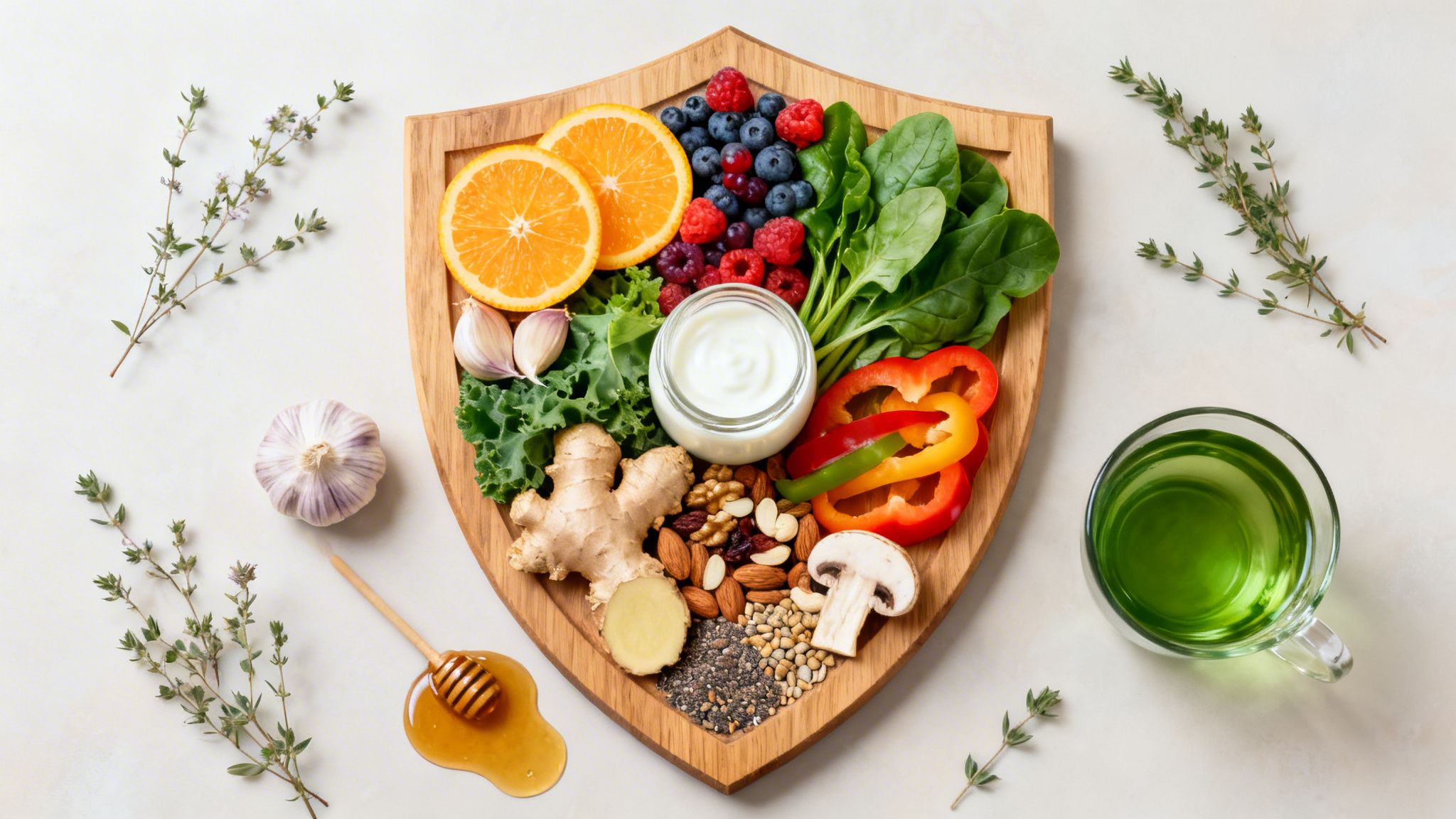
In the ongoing dialogue about viral threats, from common viruses like Rhinovirus to more complex pathogens such as SARS-CoV-2 and Influenza, your immune system stands as your body's dedicated defense force. While no single food can prevent illness, a strategic diet rich in specific nutrients can significantly fortify this system, enhancing its ability to identify and neutralize invaders. This article provides a detailed, evidence-based roundup of key foods that support immune health, moving beyond generic advice to offer actionable insights.
We will explore the specific nutrients these foods contain, the scientific mechanisms behind their benefits, and practical ways to incorporate them into your daily life. Reducing systemic inflammation is a critical component of fortifying your immune system; delve into the comprehensive list of Olive Oil Anti Inflammatory Benefits to understand its significant role in nutritional immunology.
Understanding how nutrition underpins a robust immune response is a vital step in a well-rounded approach to health, complementing other crucial prevention strategies. This guide is designed for both the scientifically curious and anyone looking to make informed dietary choices. We will examine how items from citrus and garlic to specific mushrooms and seeds contribute to your body's resilience against pathogens like Human Immunodeficiency Virus Type 1 (HIV-1), Hepatitis C Virus (HCV), and Herpes Simplex Virus 1 (HSV-1).
1. Citrus Fruits (Oranges, Lemons, Grapefruits)
Citrus fruits like oranges, lemons, and grapefruits are top-tier foods that support immune health, primarily due to their high concentration of vitamin C. This essential antioxidant is vital for the growth and function of immune cells, including phagocytes that engulf pathogens and lymphocytes that orchestrate the adaptive immune response. For readers focused on viral defense, vitamin C's role in supporting interferon production is particularly noteworthy; interferons are proteins that signal to other cells to heighten their antiviral defenses against threats like Influenza A Virus (H1N1).

The direct connection between vitamin C and reduced illness severity has been observed in clinical settings. Studies on the common cold have shown that regular vitamin C intake can shorten its duration by 10-15%. In more severe contexts, some hospital protocols for SARS-Related Coronavirus 2 (SARS-CoV-2) patients have included vitamin C to help manage inflammation and support recovery, reflecting its importance in a robust immune strategy.
Practical Tips for Integration
To get the most out of these fruits, focus on how you consume them.
- Eat the Whole Fruit: Opt for whole oranges or grapefruits over juice to retain beneficial fiber, which aids in blood sugar control and gut health.
- Aim for Daily Intake: Consuming one to two medium-sized citrus fruits can help most adults meet the recommended daily vitamin C intake of 75-90 mg.
- Enhance Nutrient Absorption: Squeezing fresh lemon juice on plant-based, iron-rich foods like spinach or lentils can significantly improve iron absorption.
- Time Your Juice: If you do drink fresh juice, consume it within 15 minutes of juicing to prevent the rapid degradation of vitamin C when exposed to air and light.
While citrus is a powerful dietary tool, it's just one piece of a larger puzzle. You can learn more about the best vitamins for immune support and how they work together for complete protection.
2. Garlic
Garlic is a powerful addition to any diet focused on immune resilience, prized for a sulfur-containing compound called allicin. This compound, released when garlic cloves are crushed, chopped, or chewed, is responsible for its distinct aroma and potent antimicrobial and antiviral properties. For readers concerned with viral defense, garlic’s ability to enhance the activity of natural killer (NK) cells and other immune fighters makes it one of the key foods that support immune health. Its historical use in traditional medicine for preventing infections from pathogens like Rhinovirus Type 14 is now backed by modern science.

The benefits of garlic have been quantified in clinical research. One notable study showed that daily garlic supplementation reduced the incidence of the common cold by 63% compared to a placebo. In addition to preventing illness, garlic can also help reduce the severity of symptoms, assisting the body in fighting off pathogens like Rhinovirus more efficiently. This direct antimicrobial action, combined with its immune-modulating effects, underscores why garlic is a staple in both traditional remedies and modern nutritional strategies.
Practical Tips for Integration
To maximize the health benefits of garlic, its preparation and consumption are critical.
- Activate Allicin: After crushing or mincing garlic, let it sit for 10 minutes before exposing it to heat. This waiting period allows for the maximum formation of beneficial allicin.
- Aim for Raw Intake: For the greatest antiviral effect, consuming 1-2 raw cloves daily is often recommended. Adding minced raw garlic to salads or dressings is an easy way to achieve this.
- Time Your Cooking: If cooking, add garlic toward the end of the process to better preserve its heat-sensitive compounds.
- Consider Supplements: For those who dislike the taste or seek a consistent dose, aged garlic extract supplements offer a standardized amount of active compounds without the odor.
- Pair with Oil: Combining garlic with a healthy fat like olive oil may help improve the absorption of its fat-soluble compounds and can reduce digestive irritation for some individuals.
3. Ginger
Ginger root is a powerful addition to any diet focused on immune support, largely due to its bioactive compounds like gingerols and shogaols. These components have proven anti-inflammatory and antiviral properties that are essential for combating infections. For those concerned with viral threats like Avian Influenza Virus (H5N1), ginger is especially relevant because it can suppress the inflammatory cytokine responses that often worsen symptoms, while simultaneously enhancing antiviral immune mechanisms. Its use in traditional medicine systems for centuries is now being validated by modern science.
The direct impact of ginger on respiratory illnesses is well-documented. Several studies have shown that ginger can significantly reduce the duration of cold symptoms, in some cases by 25-30%. In clinical settings, recovery protocols for various respiratory infections are beginning to incorporate ginger supplementation to mitigate symptoms and support the body's natural defense. This practice reflects its long-standing role in Asian healthcare systems, where ginger is a cornerstone of antiviral prevention strategies.
Practical Tips for Integration
Incorporating ginger into your routine is simple and effective.
- Prepare Fresh Tea: Steep several slices of fresh ginger root in hot water for 10-15 minutes to create a potent, soothing tea.
- Aim for Daily Intake: During cold and flu season, consuming 1-2 teaspoons of freshly grated ginger daily can provide consistent support.
- Create a Soothing Tonic: Combine fresh ginger with honey and lemon in hot water for a classic remedy that offers enhanced immune and soothing benefits for a sore throat.
- Add to Meals: Mix grated or finely chopped ginger into soups, broths, and stir-fries to add an anti-inflammatory boost to your meals, especially when you feel unwell.
- Consider Standardized Extracts: For a consistent dose of active compounds, look for standardized extracts that provide 20-40 mg of gingerols daily.
4. Yogurt and Fermented Foods (Probiotics)
Yogurt and other fermented foods are rich in probiotics, beneficial bacteria that are fundamental for a healthy gut microbiome and, by extension, a strong immune system. The connection between gut health and immunity is significant; approximately 70% of immune tissue is located in the gastrointestinal tract. Live cultures like Lactobacillus and Bifidobacterium species reinforce mucosal immunity in the gut, produce antimicrobial compounds, and help prevent harmful pathogens like Norovirus (Norwalk Virus) from gaining a foothold. To understand the science behind these digestive allies, you can learn more about prebiotics and probiotics.

The direct immune benefits of probiotics are well-documented. Multiple studies have shown that regular consumption of these foods can reduce the incidence of respiratory infections by 12-15%. In clinical environments, some hospital nutrition programs are even incorporating fermented foods into meal plans for patients needing immune support. This strategy is based on long-term consumer data demonstrating that consistent intake leads to improved immune markers and a more resilient defense system, particularly against gastrointestinal viruses like Human Rotavirus.
Practical Tips for Integration
To effectively add these foods to your diet, focus on quality and consistency.
- Check the Label: Select yogurts with a "live and active cultures" seal, ensuring they contain a minimum of 10⁸ Colony-Forming Units (CFU) per serving for maximum benefit.
- Avoid Added Sugars: Choose plain, unsweetened yogurt, as excessive sugar can negatively impact immune function. Add your own fresh fruit for flavor.
- Diversify Your Sources: Include a variety of fermented foods such as kefir, sauerkraut, kimchi, miso, and tempeh to introduce different strains of beneficial bacteria.
- Maintain Daily Intake: Aim for one to two servings of probiotic-rich foods daily to sustain a healthy gut microbiome.
- Store Correctly: Keep these foods refrigerated according to package directions to maintain the viability of the live cultures.
While whole foods are a great source, you can discover more about specific bacterial strains and their functions by exploring the best probiotics for immune health.
5. Almonds and Tree Nuts
Almonds and other tree nuts are excellent foods that support immune health, largely because they are packed with vitamin E. This fat-soluble antioxidant is crucial for the development and function of immune cells. Vitamin E helps protect these cells from oxidative damage, which can be heightened during a viral infection. It also plays a key role in supporting the differentiation of T-cells, which are vital components of the body's adaptive immune response against pathogens like Hepatitis B Virus (HBV).
The link between vitamin E and immunity is well-documented, especially in vulnerable populations. Research shows that adequate vitamin E intake can improve T-cell function and some studies have demonstrated enhanced vaccine response in older adults who supplement with it. For those concerned with viral illnesses like influenza or coronaviruses, maintaining sufficient vitamin E levels is a practical strategy, as deficiency is known to impair overall immune function.
Practical Tips for Integration
To make nuts a regular part of your immune-supporting diet, consider these simple habits.
- Mind Your Portions: A daily serving of about one ounce, or roughly 23 almonds, provides a significant portion of the recommended daily intake for vitamin E.
- Choose Wisely: Select raw or dry-roasted nuts without added oils or excessive sodium to maximize health benefits.
- Store for Freshness: Keep nuts in an airtight container in a cool, dark place to prevent their healthy fats from oxidizing and turning rancid.
- Create Synergy: Pair nuts with vitamin C-rich foods, such as adding sliced almonds to a spinach salad with strawberries, to enhance their combined antioxidant effects.
- Diversify Your Intake: Incorporate a variety of nuts like hazelnuts and Brazil nuts to benefit from a broader spectrum of nutrients.
6. Mushrooms (Reishi, Shiitake, Maitake)
Medicinal mushrooms like reishi, shiitake, and maitake are powerful foods that support immune health due to their rich concentration of beta-glucans. These complex polysaccharides stimulate the innate immune system by binding to receptors on key immune cells, including macrophages and dendritic cells. For readers focused on viral defense, the ability of beta-glucans to boost the production of interferons and natural killer (NK) cells provides a formidable first-line response against invading pathogens.
The antiviral properties of these fungi are supported by research. Studies have demonstrated that shiitake mushroom extract can reduce the incidence of respiratory infections, and Japanese clinical trials have highlighted maitake's antiviral capabilities. Furthermore, research shows that reishi can enhance the activity of NK cells, improving their effectiveness against virally infected cells.
Practical Tips for Integration
To properly benefit from these fungi, preparation and consistency are key.
- Cook Thoroughly: Always cook culinary mushrooms like shiitake. Cooking breaks down their tough cell walls, which improves the bioavailability of beta-glucans and other beneficial compounds.
- Prepare a Decoction: For dried medicinal mushrooms like reishi, simmer them in water for at least 20-30 minutes to create a tea or broth. This process effectively extracts the water-soluble beta-glucans.
- Check Extract Labels: When choosing a supplement, opt for standardized extracts that specify a minimum beta-glucan content, typically 20-30%, to ensure potency.
- Daily Dose: For consistent immune support, consider including 5-10 grams of dried mushrooms or their equivalent in your daily routine, whether in meals, teas, or capsules.
While mushrooms are a potent dietary tool, maintaining a clean environment is also crucial for preventing illness. Effective disinfecting measures can reduce exposure to pathogens like Human Coronavirus or Rhinovirus, providing a comprehensive approach to health alongside proper nutrition.
7. Bell Peppers and Chili Peppers
While citrus often gets the spotlight, bell peppers are unsung heroes among foods that support immune health. A single red bell pepper contains a startlingly high amount of vitamin C, often more than double that of an orange. This potent antioxidant is essential for fueling the activity of white blood cells, the frontline soldiers of the immune system. For readers concerned with viral defense, this vitamin C boost is directly linked to enhanced interferon production, a key signaling protein that helps cells fortify themselves against viral invaders like Rhinovirus Type 39.
Beyond vitamin C, chili peppers offer a unique compound called capsaicin. Research shows capsaicin possesses antimicrobial properties and can help maintain the integrity of mucosal barriers in the respiratory and gastrointestinal tracts. A strong mucosal lining is crucial for preventing viruses from gaining entry into the body. Studies have demonstrated that capsaicinoids can inhibit the replication of certain respiratory viruses, showcasing their direct defensive capabilities.
Practical Tips for Integration
Incorporating these peppers into your diet is simple and can be done daily.
- Eat Them Raw: To preserve the maximum amount of vitamin C, which is sensitive to heat, enjoy raw red bell pepper slices as a snack or in salads.
- Aim for a Daily Serving: Including about half a cup of sliced bell pepper (roughly half a medium pepper) daily is an effective way to support immune function.
- Lightly Cook: If you prefer them cooked, light steaming or a quick stir-fry is better than boiling, which can leach out water-soluble nutrients.
- Pair with Healthy Fats: Combine peppers with a source of healthy fat like olive oil or avocado to improve the absorption of their fat-soluble carotenoids.
- Introduce Spice Slowly: For chili peppers, start with milder varieties and gradually increase the heat to allow your digestive system to adapt to the capsaicin.
A strong diet is a foundational part of staying healthy, but it works best alongside good hygiene. Keeping surfaces clean, especially in kitchens and bathrooms, reduces the risk of pathogens like Feline Calicivirus spreading. You can learn more about how to protect your home from viral transmission to build a comprehensive defense strategy.
8. Seeds (Pumpkin, Sunflower, Hemp)
Seeds like pumpkin, sunflower, and hemp are concentrated sources of minerals essential to a well-functioning immune system, including zinc, selenium, and magnesium. Zinc is especially critical for immune cell development, including the T-cells and natural killer cells that form a primary defense against viral invaders. For readers of VirusFAQ.com focused on viral defense, the link between zinc and antiviral immunity is direct; deficiency significantly impairs the body's ability to fight off pathogens like Rhinovirus or Influenza A2/305/57 Virus (H2N2).
The minerals in seeds provide a powerful foundation for immune readiness. Studies have shown that adequate zinc intake can reduce the duration of the common cold by 25-35%, while sufficient selenium levels are linked to better outcomes in viral infections. Pumpkin seeds, in particular, are recognized for providing bioavailable zinc that directly supports antiviral T-cell responses, making them an excellent addition to any immune-focused diet.
Practical Tips for Integration
To maximize the immune benefits from seeds, consider these preparation and consumption methods.
- Soak or Sprout: Soaking raw seeds for 2-4 hours helps reduce phytic acid, an anti-nutrient that can inhibit mineral absorption. Sprouting has a similar effect.
- Daily Mineral Dose: Aim for one to two tablespoons of mixed seeds daily. This provides a balanced intake of zinc, selenium, and magnesium.
- Proper Storage: Keep raw seeds in the refrigerator or another cool, dark place. This prevents the healthy fats from oxidizing and turning rancid.
- Boost Zinc Absorption: Combine seeds with vitamin C-rich foods. For example, sprinkle sunflower seeds over a citrus fruit salad to improve zinc uptake.
9. Turmeric (Curcumin)
The vibrant yellow spice turmeric is one of the most studied foods that support immune health, owing its potency to its active compound, curcumin. Curcumin is a polyphenol recognized for its powerful anti-inflammatory and antioxidant effects. It directly modulates the immune response by influencing key signaling pathways like nuclear factor-kappa B (NF-κB), a master regulator of inflammation. This action helps prevent an overactive immune response, such as a cytokine storm, which is responsible for the severity of many viral illnesses, including those caused by coronaviruses.
Curcumin's value is also seen in its direct antiviral activity. Research has demonstrated its ability to inhibit the replication of various viruses, including influenza, coronaviruses, and Herpes Simplex Virus 2 (HSV-2), by interfering with viral proteases and other essential mechanisms. Studies have shown that curcumin supplementation can reduce inflammatory markers and lessen symptom severity during active viral infections, making it a valuable addition to an immune-supportive diet.
Practical Tips for Integration
Maximizing curcumin's benefits requires specific preparation methods to overcome its naturally low bioavailability.
- Pair with Black Pepper: Always consume turmeric with a pinch of black pepper. The piperine in pepper has been shown to increase curcumin absorption by up to 2,000%.
- Add Healthy Fat: Curcumin is fat-soluble, so combining it with a source of healthy fat like coconut oil, olive oil, or avocado improves its absorption in the body.
- Make Golden Milk: A warm "golden milk" latte, made by mixing turmeric, black pepper, and a healthy fat into milk or a milk alternative, is a soothing and effective way to consume it.
- Time Your Cooking: When adding fresh or powdered turmeric to hot dishes, stir it in during the final minutes of cooking to help preserve its active compounds.
10. Berries (Elderberry, Blueberries, Blackberries)
Berries like elderberry, blueberries, and blackberries are powerful foods that support immune health due to their dense concentration of anthocyanins. These potent polyphenols provide significant antiviral and anti-inflammatory properties. For individuals focused on viral defense, elderberry has a strong track record; its compounds can block viral proteins, preventing them from attaching to and entering host cells. Meanwhile, the anthocyanins in blueberries and blackberries are known to enhance the activity of natural killer (NK) cells, which are critical for eliminating virus-infected cells.
The antiviral effects of berries are supported by clinical evidence. A randomized controlled trial on influenza patients found that those taking elderberry extract recovered an average of 3.9 days faster than the placebo group. In other healthcare settings, elderberry supplementation has been successfully used as a supportive measure during flu season to reduce symptom severity and duration. This makes berries a functional, whole-food approach to bolstering defenses against common respiratory pathogens.
Practical Tips for Integration
To incorporate the immune benefits of berries into your diet, consider these strategies.
- Aim for Daily Intake: A daily serving of one cup of fresh or frozen berries, or a half-cup of dried berries, can provide a consistent supply of beneficial anthocyanins.
- Preserve Nutrients: Freeze fresh berries shortly after buying them to preserve their delicate anthocyanin content, which can degrade over time.
- Consider Extracts: For a more concentrated dose during viral season, a standardized elderberry extract (500-1500 mg daily) can offer consistent and targeted support.
- Minimize Pesticides: Since berries are often on the "Dirty Dozen" list, purchasing organic varieties can help reduce your exposure to pesticide residues.
Berries provide a targeted way to strengthen your body’s defenses. You can learn more about the best natural antivirals and how they function to protect against viral threats.
10 Immune-Boosting Foods Comparison
| Item | Implementation complexity 🔄 | Resource requirements ⚡ | Expected outcomes ⭐📊 | Ideal use cases 💡 | Key advantages ⭐ |
|---|---|---|---|---|---|
| Citrus Fruits (Oranges, Lemons, Grapefruits) | Low — eat raw or juice; minimal prep 🔄 | Low — affordable, year‑round ⚡ | Rapid vitamin C boost; supports interferon and WBCs; modest cold-duration reduction (10–15%) ⭐⭐⭐ 📊 | Daily prevention; acute vitamin C replenishment; iron absorption aid 💡 | High vitamin C, flavonoids, widely studied ⭐ |
| Garlic | Low — crush/mince and wait 10 min to activate allicin 🔄 | Very low — inexpensive, widely available ⚡ | Potent antimicrobial/allicin activity; may reduce cold incidence substantially; enhances NK cell activity ⭐⭐⭐⭐ 📊 | Regular supplementation; natural antiviral adjunct in diets 💡 | Direct antiviral compound (allicin); boosts innate immunity ⭐ |
| Ginger | Low — steep tea or add fresh grated; simple prep 🔄 | Low — fresh/dried/extract options ⚡ | Anti-inflammatory and antiviral; reduces symptom severity/duration (≈25–30%) ⭐⭐⭐ 📊 | Symptom mitigation for respiratory illness; nausea relief during infection 💡 | Strong anti-inflammatory (gingerols/shogaols); mucosal support ⭐ |
| Yogurt & Fermented Foods (Probiotics) | Moderate — select live cultures; proper storage needed 🔄 | Moderate — refrigeration, product selection ⚡ | Enhances mucosal IgA and gut barrier; reduces respiratory infections (~12–15%) ⭐⭐⭐ 📊 | Long‑term gut‑immune support; post‑antibiotic or vaccine response support 💡 | Restores microbiome, broad mucosal and systemic immune benefits ⭐ |
| Almonds & Tree Nuts | Low — ready‑to‑eat snack; no prep 🔄 | Moderate — cost, calorie density ⚡ | Supplies vitamin E supporting T‑cell function; improves vaccine responses in elderly ⭐⭐⭐ 📊 | Older adults; vaccine optimization; convenient daily snack 💡 | High vitamin E and arginine for adaptive immunity; portable ⭐ |
| Mushrooms (Reishi, Shiitake, Maitake) | Moderate–High — hot‑water extraction or standardized extracts recommended 🔄 | Moderate — specialized extracts or regular culinary use ⚡ | Stimulates innate immunity (beta‑glucans); increases interferon and NK activity; measurable respiratory protection ⭐⭐⭐⭐ 📊 | Respiratory virus prevention; immune activation protocols 💡 | Beta‑glucan driven macrophage/dendritic activation; strong clinical data ⭐ |
| Bell & Chili Peppers | Low — raw consumption preferred; minimal prep 🔄 | Low — fresh but shorter storage ⚡ | Exceptionally high vitamin C; capsaicinoids support mucosal barrier and antiviral responses ⭐⭐⭐⭐ 📊 | Rapid vitamin C intake; mucosal protection; culinary immune boost 💡 | Extremely high vitamin C (red peppers), carotenoids, capsaicinoids ⭐ |
| Seeds (Pumpkin, Sunflower, Hemp) | Low–Moderate — optional soaking/sprouting to reduce phytic acid 🔄 | Low — inexpensive, easy to store if cooled ⚡ | Concentrated zinc/selenium/magnesium supporting T and NK cells; improves antiviral mineral status ⭐⭐⭐ 📊 | Mineral replenishment; daily snack or meal topping for immune support 💡 | Dense source of zinc & selenium; complements other immune foods ⭐ |
| Turmeric (Curcumin) | Moderate — needs piperine/fat for bioavailability; standardized extracts preferred 🔄 | Low–Moderate — spice or supplements; consistent dosing useful ⚡ | Anti‑inflammatory and antiviral; inhibits NF‑κB and viral proteases; benefits develop over weeks ⭐⭐⭐ 📊 | Chronic inflammation control; adjunct antiviral therapy; symptom management 💡 | Curcumin mechanistic antiviral + inflammation modulation; well‑researched ⭐ |
| Berries (Elderberry, Blueberries, Blackberries) | Low — fresh or frozen; simple prep 🔄 | Moderate — seasonal cost; freezing preserves nutrients ⚡ | High anthocyanin/elderberry antiviral activity; elderberry reduces flu duration (~3–4 days) ⭐⭐⭐⭐ 📊 | Seasonal prevention and early symptom treatment for respiratory viruses 💡 | Potent polyphenols (anthocyanins, ellagic acid); NK cell enhancement ⭐ |
Integrating Nutrition into a Multi-Layered Defense Strategy
Navigating the world of nutrition can feel complex, but building a resilient immune system doesn't have to be. As we've explored, incorporating specific foods that support immune health into your daily routine provides your body with the fundamental building blocks it needs for a robust defense. From the vitamin C in citrus and bell peppers to the allicin in garlic and the probiotics in yogurt, each food offers a distinct set of tools for your immune cells.
Think of these foods not as a magic cure, but as a proactive investment in your body's internal security team. The antioxidants in berries, the anti-inflammatory properties of turmeric, and the unique polysaccharides in mushrooms all play a role in preparing your system to identify and respond to threats efficiently. By focusing on a colorful, diverse diet rich in these key items, you are actively supplying your body with the resources required to maintain its defensive lines.
Beyond the Plate: Building a Complete Shield
A well-nourished immune system is a powerful asset, but it represents only one half of a complete protection strategy. True resilience is achieved when this internal fortification is paired with strong external defenses. Your nutritional efforts are most effective when you also reduce your exposure to pathogens in the environment.
Viruses such as Norovirus and Rhinovirus, the agents behind stomach flu and the common cold, spread readily through contact with contaminated surfaces. An individual can deposit viral particles on a doorknob, keyboard, or phone screen, where they can linger and infect the next person who touches it. This is where diligent hygiene becomes a critical, non-negotiable partner to your diet.
Key Takeaway: The most effective approach to health is multi-layered. Combining a nutrient-dense diet with smart environmental hygiene creates a formidable barrier, protecting you from the inside out.
Actionable Steps for a Multi-Layered Defense:
- Internal Support (Your Diet): Commit to incorporating at least three to five of the immune-supporting foods discussed in this article into your weekly meal plan. Start small, perhaps by adding ginger to your tea, snacking on almonds, or topping your meals with sunflower seeds.
- External Defense (Your Environment): Make surface hygiene a consistent habit. Regularly clean and disinfect high-touch areas in your home and workplace. Using quality disinfecting wipes on items like your mobile phone, remote controls, and light switches can dramatically reduce the presence of viral agents.
By adopting this two-pronged approach, you move from a passive hope for good health to an active participant in your own well-being. A diet filled with foods that support immune health prepares your body for battle, while conscientious hygiene helps you avoid the battle altogether. Together, they form a practical and powerful strategy for staying healthy in a world full of microscopic challenges.
Leave a Reply